Before steam engines roared, the world’s railways were built for coal and gravity
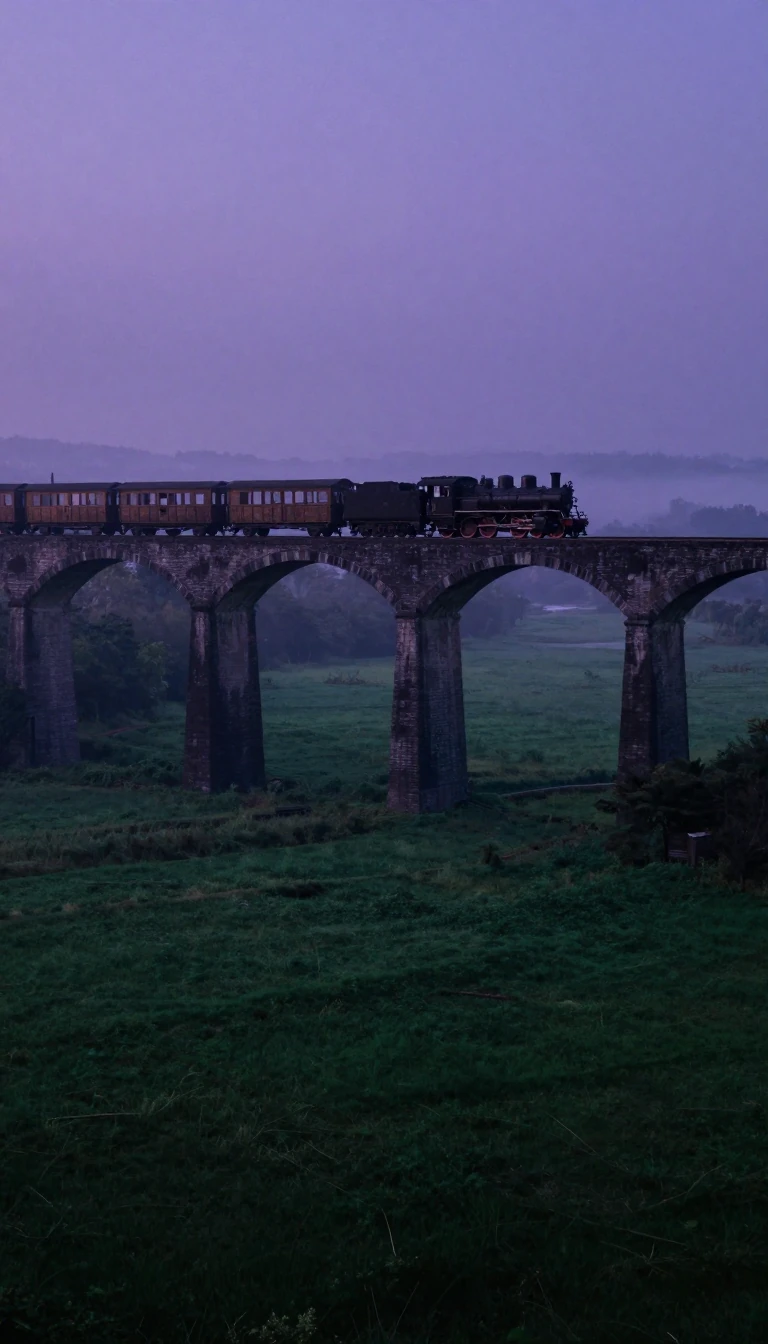
In short: Long before locomotives transformed global travel, mining operations relied on primitive tracks to move heavy ore. These early systems, using wooden rails and animal power, laid the essential groundwork for the industrial age. The shift to steam was not an overnight revolution, but a logical evolution of existing mining infrastructure.
The history of rail transport stretches back far beyond the steam engine. In the 16th and 17th centuries, mining regions across central Europe utilized plateways or wagonways to transport heavy ores that were otherwise difficult to move. These early tracks, often made of wood, provided a smooth surface that significantly reduced friction for wagons. By the 17th century, this technology reached Britain, where coal mining in Tyneside and South Wales drove the development of extensive systems relying on gravity or animal traction.
The transition to steam power was dictated by the limitations of early engines. In 1803, Richard Trevithick built the first locomotive capable of actual work, but the weight-to-power ratio of steam engines remained unfavorable until 1804. That year, Trevithick constructed a high-pressure engine—operating at 145 pounds per square inch—and mounted it on a car to run on a cast-iron tramroad in Pen-y-Darren, Wales. Simultaneously, innovators like Oliver Evans in the United States were experimenting with high-pressure steam for industrial applications, such as his 1805 self-propelled dredge.
The Stockton and Darlington Railway, authorized by Parliament in April 1821, marked a pivotal moment as the first common carrier open to all shippers. Completed on September 27, 1825, the 40-km line connected the Bishop Auckland coalfield to the port at Stockton. George Stephenson, who had refined locomotive design with his 1814 'Blücher,' oversaw the project. The railway’s success was immediate; coal prices in the coastal trade dropped from 18 shillings to 12 shillings per ton, and trade volume grew tenfold within two years, proving that steam-powered rail was the future of transport.
While the Stockton and Darlington line standardized the 1,422 mm gauge, the industry had previously debated between 'L' plate-rails and smooth edge-rails. The edge-rail, paired with flanged wheels, eventually proved superior, becoming the global standard. This evolution from simple wooden tracks to complex, steam-powered networks turned regional mining solutions into the backbone of modern industrial logistics.
Opens the Intellect+ feed with this card first. Swipe up for the next one.
Sources
- Summary by Intellect · source: Railroad - History, Development, Impact | Britannica
- Also: History of rail transport
To cite this card, link to https://intellectplus.co.uk/app/history-history-of-rail-transport.
How we source, check and correct cards: Editorial standards.
General information, not professional advice. Spotted an error? Flag the card or see corrections and complaints.
Intellect Plus is a visual educational discovery platform for exploring fascinating facts and ideas. Brain Food, Not Brain Rot. What is Intellect Plus?
Related
More in History by topic · More in History · Latest · A–Z · All topics
