From steam-powered wooden birds to multistage rockets, the history of flight is ancient.
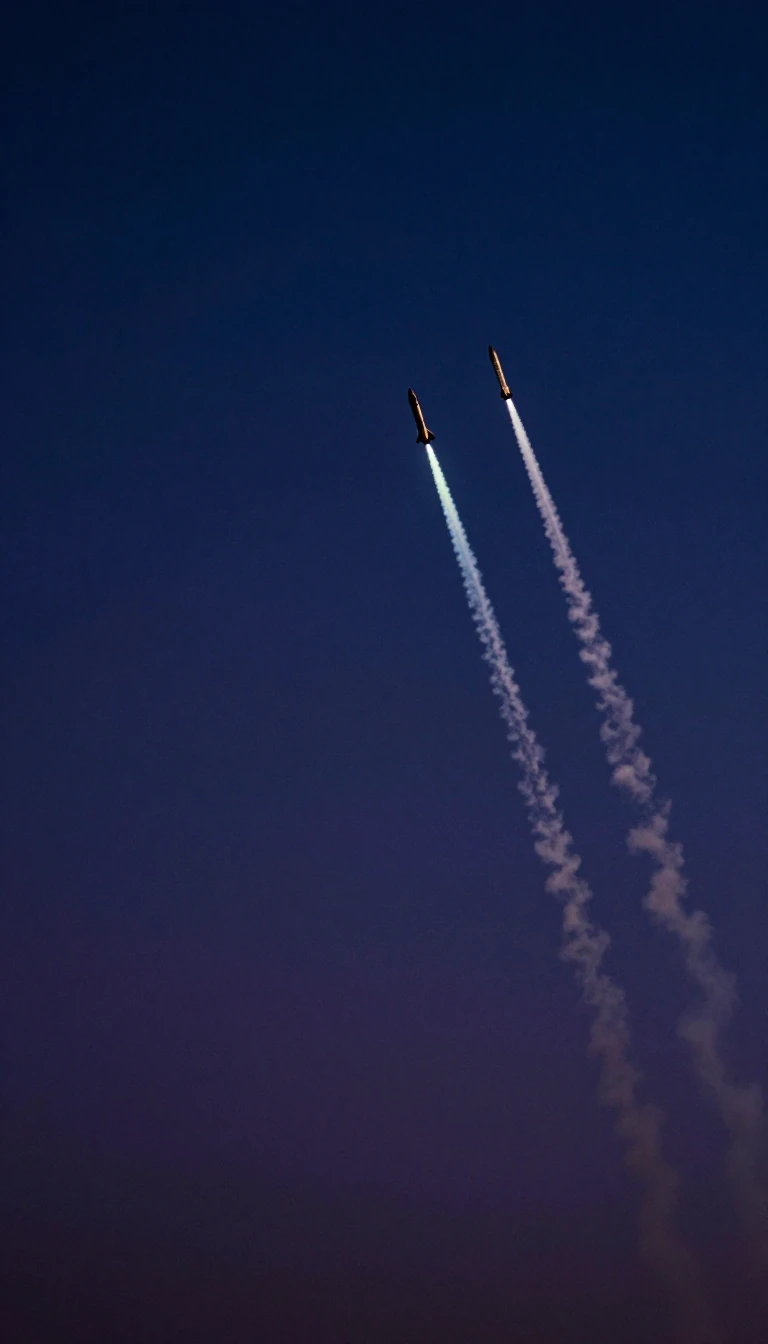
In short: Long before modern spaceflight, humanity experimented with the physics of thrust. From ancient Greek steam engines to Chinese alchemists seeking immortality, the evolution of rocketry spans millennia. While today we land reusable boosters, our ancestors were busy terrifying royalty with fireworks and developing the gunpowder that changed warfare forever.
The fundamental principles of rocketry date back over 2,000 years. Around 400 B.C., the Greek philosopher Archytas demonstrated a steam-propelled wooden pigeon suspended on wires. Centuries later, Hero of Alexandria refined this concept with the aeolipile, a sphere that rotated via escaping steam. These early devices utilized the action-reaction principle, which remains the core mechanism of modern rocket propulsion today.
The trajectory of rocketry shifted dramatically in 9th-century China. Alchemists, searching for an elixir of immortality, accidentally discovered gunpowder by mixing saltpeter, sulfur, and charcoal. By 1232 C.E., this mixture was weaponized as 'flying fire lances' during the Mongol siege of Kaifeng. These early rockets evolved from simple fireworks, such as the 'ground rat'—a bamboo tube that scurried across floors, famously startling the wife of Emperor Li Chung during a 13th-century royal banquet.
By the 16th century, rocket technology had spread across Eurasia, appearing in military skirmishes and treatises. Austrian Conrad Haas authored a mid-16th-century manuscript detailing crewed rockets, though his work remained hidden until 1961. Shortly thereafter, the Polish-Lithuanian general Kazimierz Siemienowicz published 'The Complete Art of Artillery' in the 17th century. His designs for multistage rockets and delta-wing stabilizers provided the essential blueprint for the technology that would eventually propel humanity into outer space.
Legends often blur the line between science and myth. The story of Wan Hu, a 16th-century official who allegedly attempted to fly using forty-seven gunpowder rockets attached to a chair, remains a famous, albeit likely apocryphal, tale of early test flight. Whether or not such attempts occurred, the persistent human drive to harness explosive force for propulsion has transformed from whimsical experiments into the sophisticated commercial space industry we see today.
Opens the Intellect+ feed with this card first. Swipe up for the next one.
Sources
- Summary by Intellect · source: The History of Rockets
- Also: History of rockets
To cite this card, link to https://intellectplus.co.uk/app/history-history-of-rockets.
How we source, check and correct cards: Editorial standards.
General information, not professional advice. Spotted an error? Flag the card or see corrections and complaints.
Intellect Plus is a visual educational discovery platform for exploring fascinating facts and ideas. Brain Food, Not Brain Rot. What is Intellect Plus?
Related
More in History by topic · More in History · Latest · A–Z · All topics
