Seoul: How a strategic river basin became a global capital of modern technology
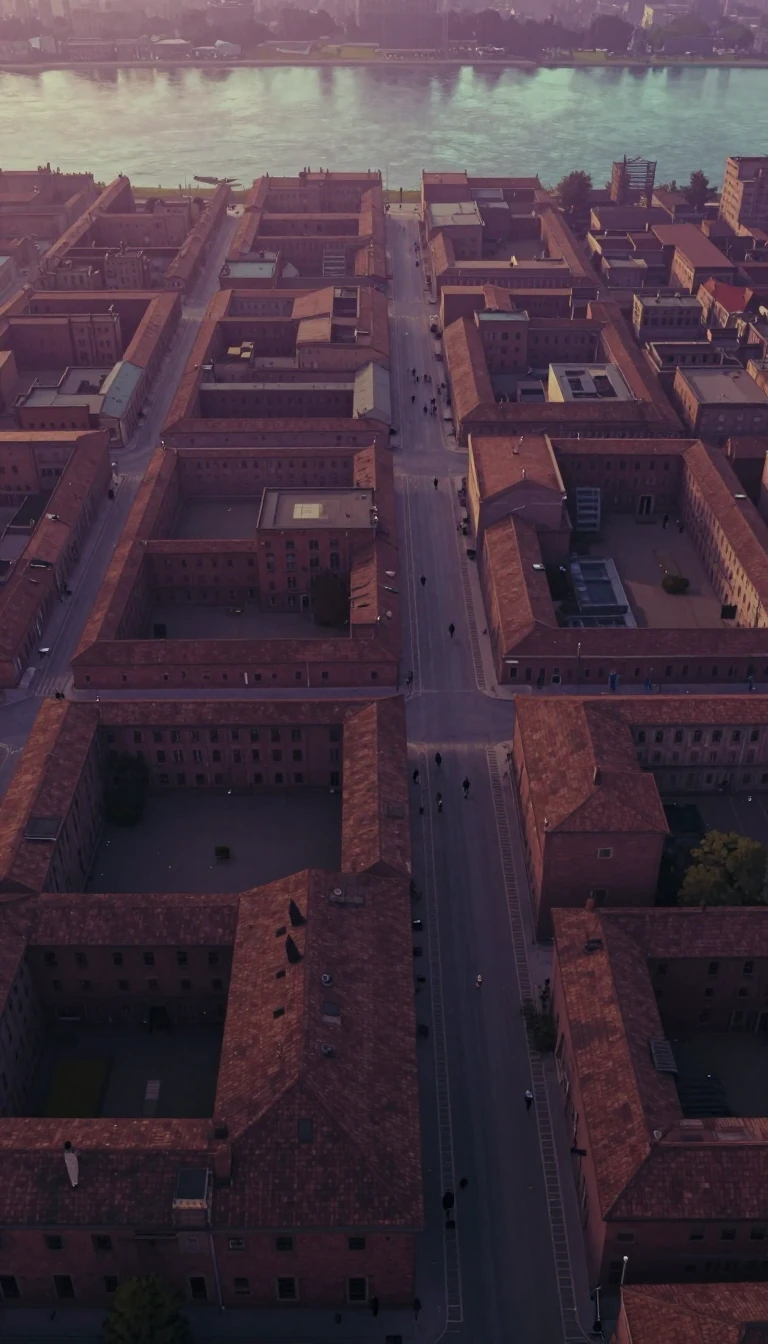
In short: Seoul has evolved from a Joseon-era fortress city into a sprawling metropolis of nearly ten million people. While its name simply means capital, the city’s identity is defined by its unique geography, a history of strategic river control, and a rapid transformation into a high-tech economic powerhouse.
The site of modern Seoul has been inhabited for millennia, but its status as a capital was cemented in 1394 by General Yi Seong-Gye. Seeking a location that was both militarily defensible and economically vital, Yi chose a basin on the Han River. This position allowed for efficient transport of grain and taxes, while adhering to the principles of pungsu-jiri-seol, or traditional geomancy. Two years after the city’s founding, an 11-mile wall was constructed along the surrounding ridges to secure the capital.
For centuries, the city’s growth was contained within these walls, with the population reaching roughly 100,000 by 1429 and only about 250,000 by the time of the 1910 Japanese annexation. The 20th century, however, brought radical change. Modernization efforts initiated during the colonial period triggered cycles of expansion that eventually pushed the city limits across both banks of the Han River. By 1963, the city established the boundaries that largely define its current footprint, encompassing an area twice the size of its 1948 extent.
The most striking shift occurred after the 1970s, when the area south of the Han River—known as Gangnam—underwent explosive development. Once rural, this district has become a second central business district, hosting high-rise office blocks and serving as a hub for fashion, design, and information technology. Today, Seoul faces the constraints of a greenbelt established in the 1970s to limit sprawl, forcing further growth into satellite cities and remote suburbs, a trend that has redefined the daily commute for the city's upper-middle class.
Opens the Intellect+ feed with this card first. Swipe up for the next one.
Sources
- Summary by Intellect · source: Seoul | History, Population, Climate, Map, & Facts | Britannica
- Also: History of Seoul
To cite this card, link to https://intellectplus.co.uk/app/history-history-of-seoul.
How we source, check and correct cards: Editorial standards.
General information, not professional advice. Spotted an error? Flag the card or see corrections and complaints.
Intellect Plus is a visual educational discovery platform for exploring fascinating facts and ideas. Brain Food, Not Brain Rot. What is Intellect Plus?
Related
More in History by country, small region and city · More in History · Latest · A–Z · All topics
