Beyond the Nile: Uncovering the deep, complex history of the Sudanese land and people
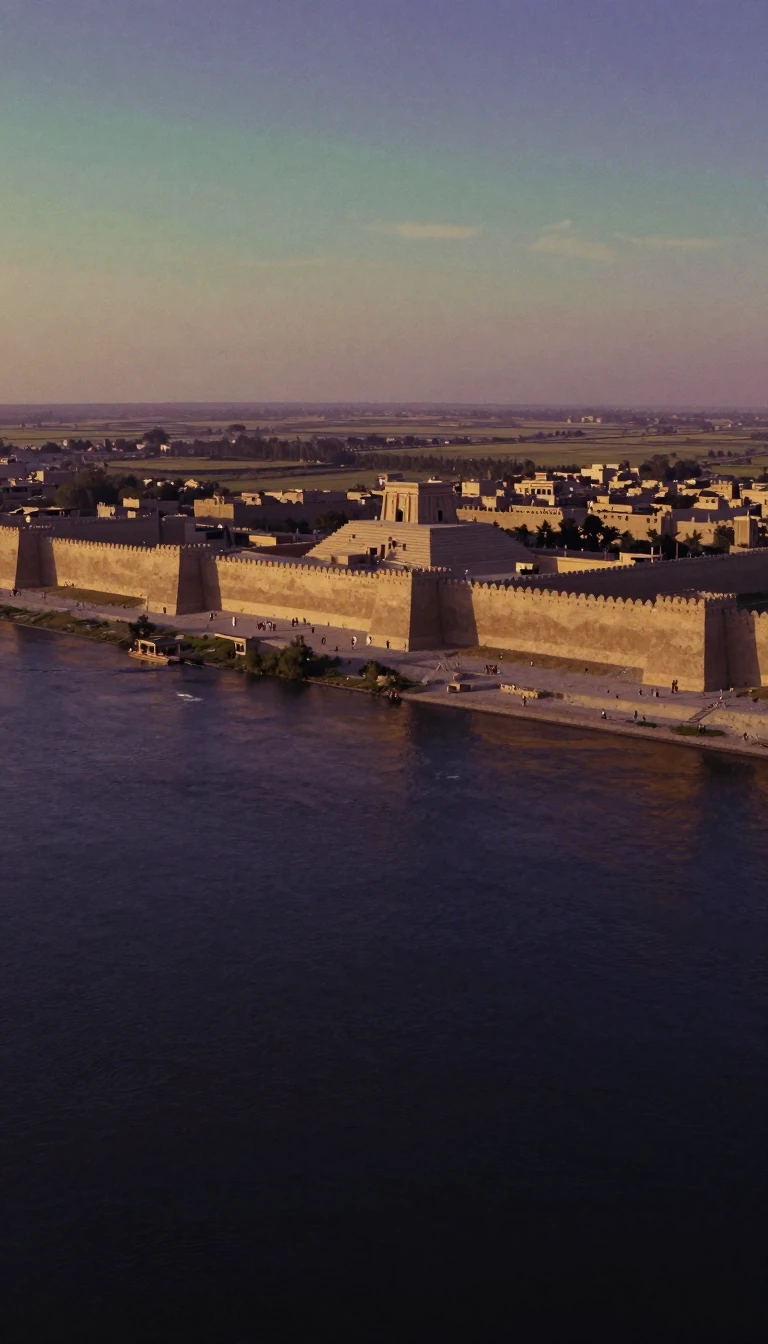
In short: The name Sudan originates from an Arabic phrase meaning land of the black people, yet the region’s history spans far wider than a single label. From ancient Nubian kingdoms and the rise of Islam to the modern era of independence and civil strife, Sudan remains a crossroads of African civilizations.
The historical territory of Sudan encompasses both the modern Republic of the Sudan and South Sudan, which gained independence in 2011. Its roots are deeply tied to the Nile Valley, where the ancient Kingdom of Kush flourished in close political alliance with Egypt. This proximity linked the region to the broader Near East, facilitating the rise of three significant Nubian kingdoms—Nobatia, Makuria, and Alodia—which adopted Christianity during the sixth century. This era left a lasting cultural mark, including the development of Old Nubian, the oldest recorded Nilo-Saharan language, written using a modified Coptic script.
Religious and political landscapes shifted significantly over the following centuries. While Islam arrived on the Red Sea coast by the seventh century, the Nile Valley did not undergo widespread Islamization until the 14th and 15th centuries, following the decline of the Christian kingdoms. These were replaced by the Sultanate of Sennar and the kingdoms of Darfur. By the 1820s, Muhammad Ali of Egypt seized control of these regions, imposing a rule that eventually ignited the Mahdist State under Muhammad Ahmad in 1881. This period of Turco-Egyptian and later British influence defined the boundaries inherited by the modern state in 1956.
Since achieving independence in 1956, the nation has faced persistent internal instability. This era has been marked by the First and Second Sudanese Civil Wars, the latter of which ended in 2005 and paved the way for the secession of South Sudan in 2011. Further conflict, including the War in Darfur from 2003 to 2020 and the ongoing civil war that began in 2023, continues to shape the trajectory of the region. Today, the history of this land remains a testament to the enduring complexity of a territory that has served as a bridge between diverse African and Near Eastern cultures for millennia.
Opens the Intellect+ feed with this card first. Swipe up for the next one.
Sources
- Summary by Intellect · source: History of Sudan
To cite this card, link to https://intellectplus.co.uk/app/history-history-of-sudan.
How we source, check and correct cards: Editorial standards.
General information, not professional advice. Spotted an error? Flag the card or see corrections and complaints.
Intellect Plus is a visual educational discovery platform for exploring fascinating facts and ideas. Brain Food, Not Brain Rot. What is Intellect Plus?
Related
More in History by country · More in History · Latest · A–Z · All topics
