Why the Land of Five Rivers Now Only Claims Two of Its Namesakes
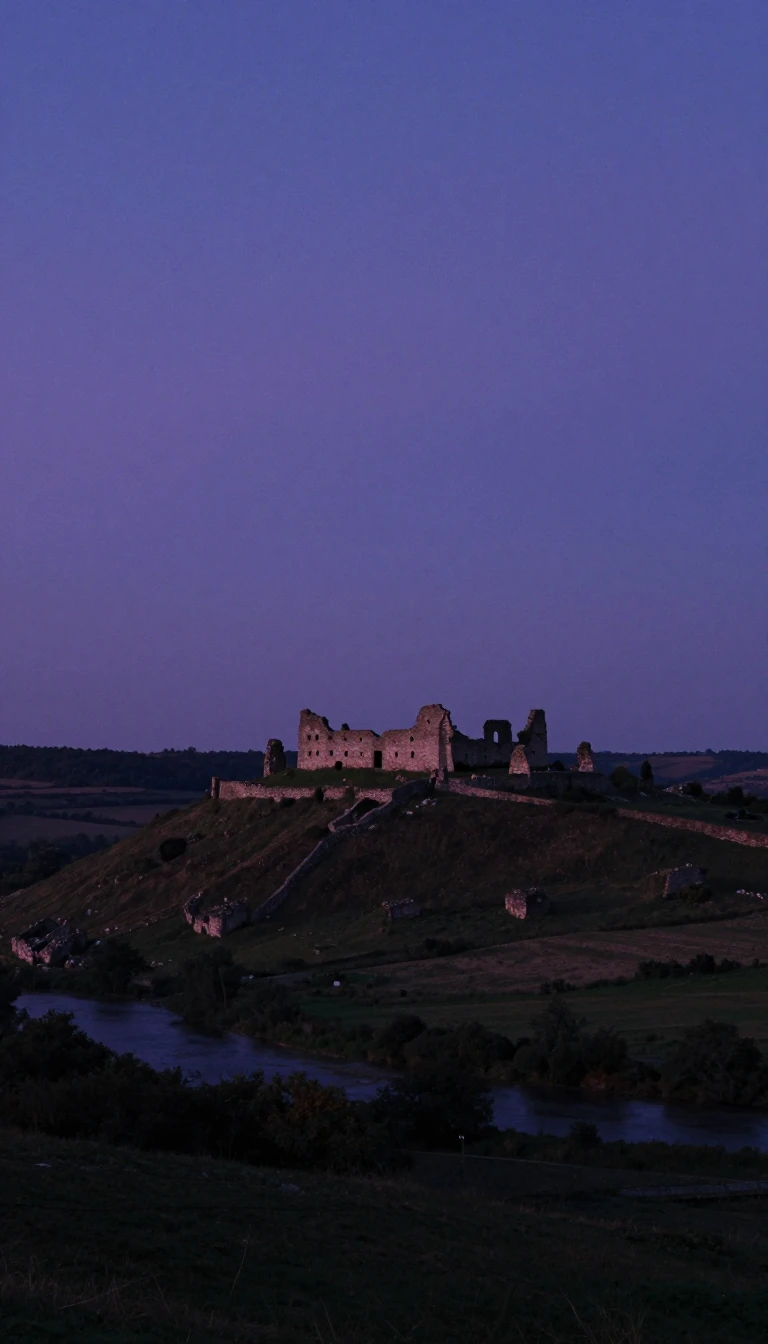
In short: The name Punjab translates to the land of five waters, yet today’s Indian state of Punjab holds only two of those rivers. This linguistic irony is a remnant of the 1947 partition, which reshaped a historic region that has served as a crossroads for empires, migrations, and civilizations for millennia.
The identity of Punjab is deeply rooted in its geography and its ancient name, a compound of the Persian words for five and water. This designation, which echoes the Sanskrit term panca nada found in the Mahabharata, originally referred to the Beas, Chenab, Jhelum, Ravi, and Sutlej rivers. However, since the 1947 partition of India, the political borders of the Indian state of Punjab have shifted significantly. Today, only the Sutlej and Beas flow entirely within its territory, while the Ravi marks a portion of its western boundary, rendering the ancient name a historical misnomer for the contemporary state.
Human history in this region stretches back to the Pleistocene Epoch, with the prehistoric Soanian culture leaving behind stone tools in the Siwalik Hills. By the 2nd millennium BCE, Indo-Aryan tribes arrived, joining a pre-existing population that likely included Dravidian speakers. Over the following centuries, the region became a melting pot of cultures, experiencing successive waves of invaders including Greeks, Kushans, and Hephthalites. This diversity was further enriched by the arrival of Islam, which saw many locals convert under the influence of Sufi saints or through the pressures of conquest.
The modern state of Punjab, as it exists today, was formed on November 1, 1966, following the separation of its predominantly Hindi-speaking areas into the state of Haryana. While the region is now a vital agricultural hub contributing significantly to India's food grain stocks, its cultural landscape remains a complex tapestry. Sikhism, founded by Guru Nanak, is the majority religion, yet the state maintains a diverse social fabric that includes Hindus, Muslims, Christians, and Jains. From the ancient Harappan civilization to the architectural legacy of the Mughal Empire, Punjab remains a region defined by its constant evolution and resilience.
Opens the Intellect+ feed with this card first. Swipe up for the next one.
Sources
- Summary by Intellect · source: Punjab, India | History, Map, Culture, Religion, & Facts | Britannica
- Also: History of Punjab
To cite this card, link to https://intellectplus.co.uk/app/history-history-of-punjab.
How we source, check and correct cards: Editorial standards.
General information, not professional advice. Spotted an error? Flag the card or see corrections and complaints.
Intellect Plus is a visual educational discovery platform for exploring fascinating facts and ideas. Brain Food, Not Brain Rot. What is Intellect Plus?
Related
More in History by continent and large region · More in History · Latest · A–Z · All topics
