How a Republic's collapse gave rise to the Roman Empire's long reign
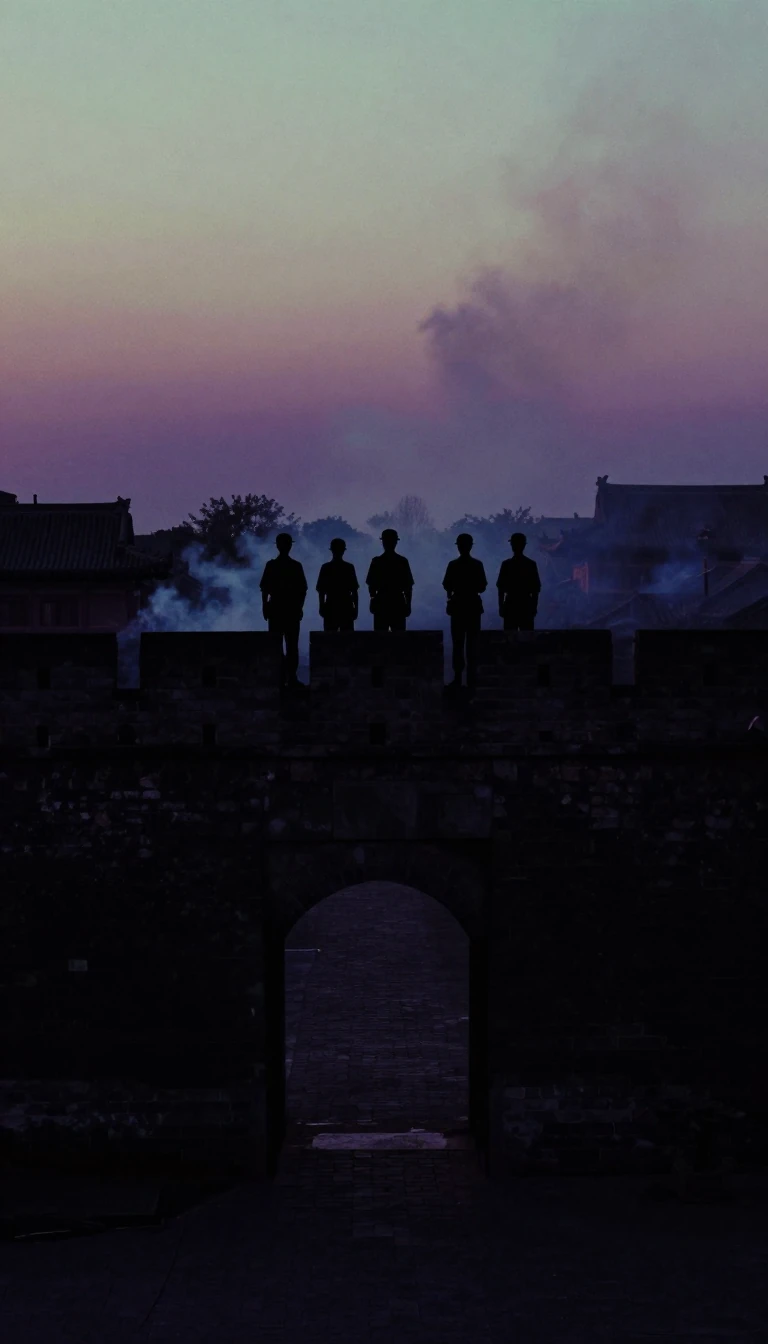
In short: The transition from Republic to Empire was born from civil war and political unrest. Following the death of Julius Caesar, a struggle for power redefined Rome, leading to the rise of Augustus and a new era of stability that would shape the Western world for centuries.
The Roman Empire was established in 27 BCE, emerging from a period of intense civil war and unrest that characterized the 1st century BCE. This transition followed the demise of the Roman Republic and the career of Julius Caesar, who had taken full power as dictator. After Caesar's assassination in 44 BCE, a triumvirate consisting of Mark Antony, Lepidus, and Caesar's nephew Octavian held power. However, conflict between Octavian and Antony eventually led to the Battle of Actium in 31 BCE, where Octavian emerged victorious.
Following his victory, Octavian was crowned Augustus, Rome's first emperor, in 27 BCE. His reign, which lasted until 14 CE, was marked by peace and the establishment of the principate—a system that blended republican elements with monarchical power. Augustus's attempts to secure a stable succession were complicated by the deaths of several potential heirs, including his nephew Marcellus and his grandsons Gaius and Lucius. He eventually adopted Tiberius, a member of the Claudia gens, as his successor.
The Julio-Claudian dynasty, which began with Tiberius, saw a succession of rulers including the absolutist Caligula, the bureaucratic Claudius, and the despot Nero. Nero's reign ended with his official removal from the records through damnatio memoriae. The empire saw further shifts in power, such as the rise of the Flavian dynasty under Vespasian (69–79 CE), who reorganized the army and taxation. While the Western Empire faced an eclipse in the 5th century CE, the Eastern Empire continued until the fall of Constantinople in 1453.
Opens the Intellect+ feed with this card first. Swipe up for the next one.
Sources
- Summary by Intellect · source: Roman Empire | Definition, History, Time Period, Map, & Facts | Britannica
- Also: History of the Roman Empire
To cite this card, link to https://intellectplus.co.uk/app/history-history-of-the-roman-empire.
How we source, check and correct cards: Editorial standards.
General information, not professional advice. Spotted an error? Flag the card or see corrections and complaints.
Intellect Plus is a visual educational discovery platform for exploring fascinating facts and ideas. Brain Food, Not Brain Rot. What is Intellect Plus?
Related
More in Ancient · More in History · Latest · A–Z · All topics
