How Rome turned a conquered rival into its most prosperous African colony
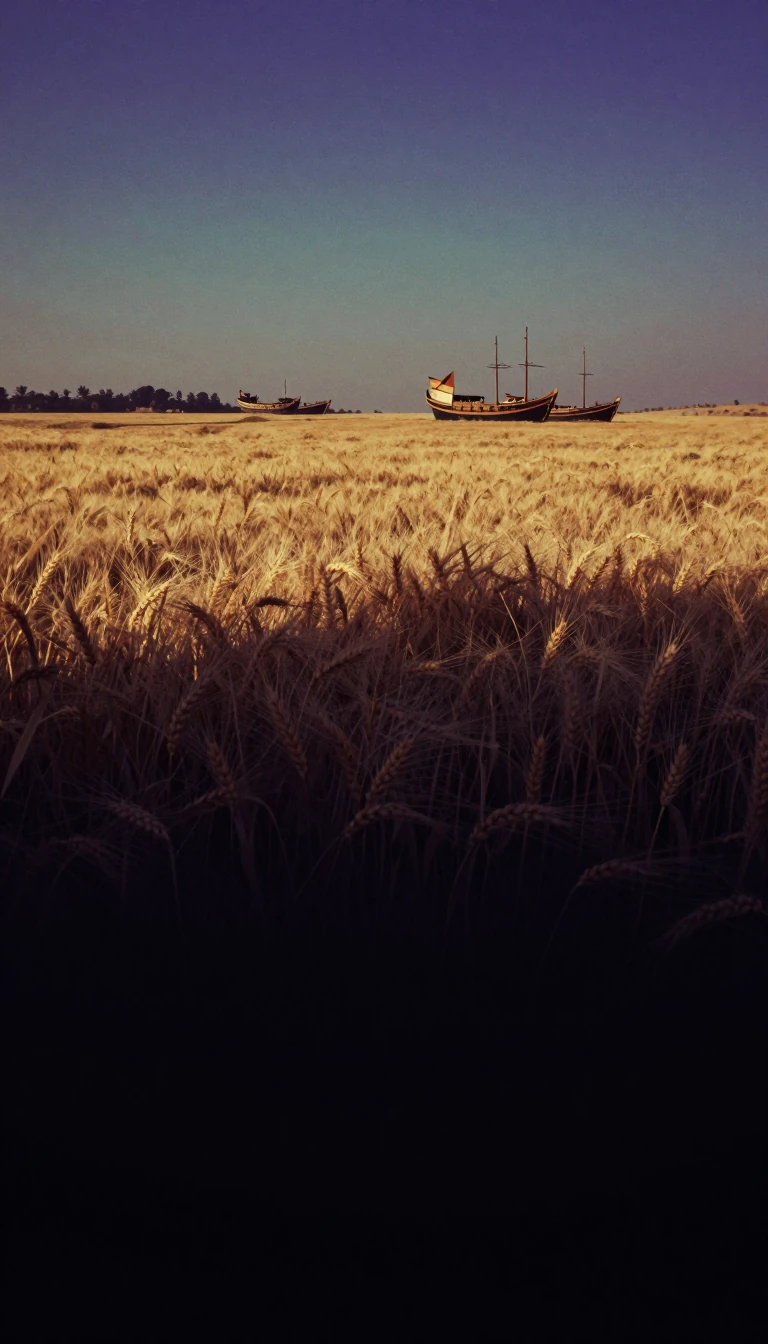
In short: After the Punic Wars, Rome dismantled Carthage and transformed its territory into a cornerstone of imperial power. This region, eventually named Africa, became a cosmopolitan hub of agriculture and culture. Yet, beneath the veneer of Roman stability and architectural grandeur, a persistent struggle against displaced local populations defined the era.
Following the final defeat of the Carthaginians in 146 BCE, Rome claimed the region as its first African colony. The name 'Africa'—later evolving into the Islamic-era 'Ifrīqiyyah'—originated from this Roman designation. Initially, the Roman Republic occupied these lands primarily to deny them to rivals, seizing public and private estates. This conquest forced many Punic survivors and Berber pastoralists from their ancestral lands, pushing them into poverty or toward the desert fringes. This displacement sparked significant resistance, most notably the insurgency led by Tacfarinas between 17 and 24 CE, though Roman forces ultimately maintained control.
Despite these rural tensions, the province flourished as a center of imperial production. By rebuilding Carthage, Rome established a city that eventually ranked among the empire's most significant urban centers. The region became renowned for its fertile agricultural output, particularly in the Bagradas river valley, which supplied the wider empire. This economic success supported a sophisticated, cosmopolitan society where local artisans produced intricate mosaics and urban centers hosted elaborate spectacles, including theater and gladiator games. The province was so thoroughly integrated into the Roman world that it became the most intensively Christianized area of North Africa.
The Roman era in Tunisia was not a permanent state but a period of shifting power. Following the decline of Rome, the region experienced a succession of rulers, including the Vandals and the Byzantine Empire, before the Islamic conquest in 647 CE. Throughout these transitions, the legacy of Roman infrastructure—such as the massive aqueducts—remained a testament to the region's enduring importance. While Rome never fully neutralized the nomadic populations of the south and west, the province remained a vital, high-standard-of-living territory that left an indelible mark on the cultural and linguistic history of the Maghrib.
Opens the Intellect+ feed with this card first. Swipe up for the next one.
Sources
- Summary by Intellect · source: Tunisia - Ancient, Roman, Arab | Britannica
- Also: History of Roman-era Tunisia
To cite this card, link to https://intellectplus.co.uk/app/history-history-of-roman-era-tunisia.
How we source, check and correct cards: Editorial standards.
General information, not professional advice. Spotted an error? Flag the card or see corrections and complaints.
Intellect Plus is a visual educational discovery platform for exploring fascinating facts and ideas. Brain Food, Not Brain Rot. What is Intellect Plus?
Related
More in Ancient · More in History · Latest · A–Z · All topics
