The transistor was not just one invention, but a race between competing global teams.
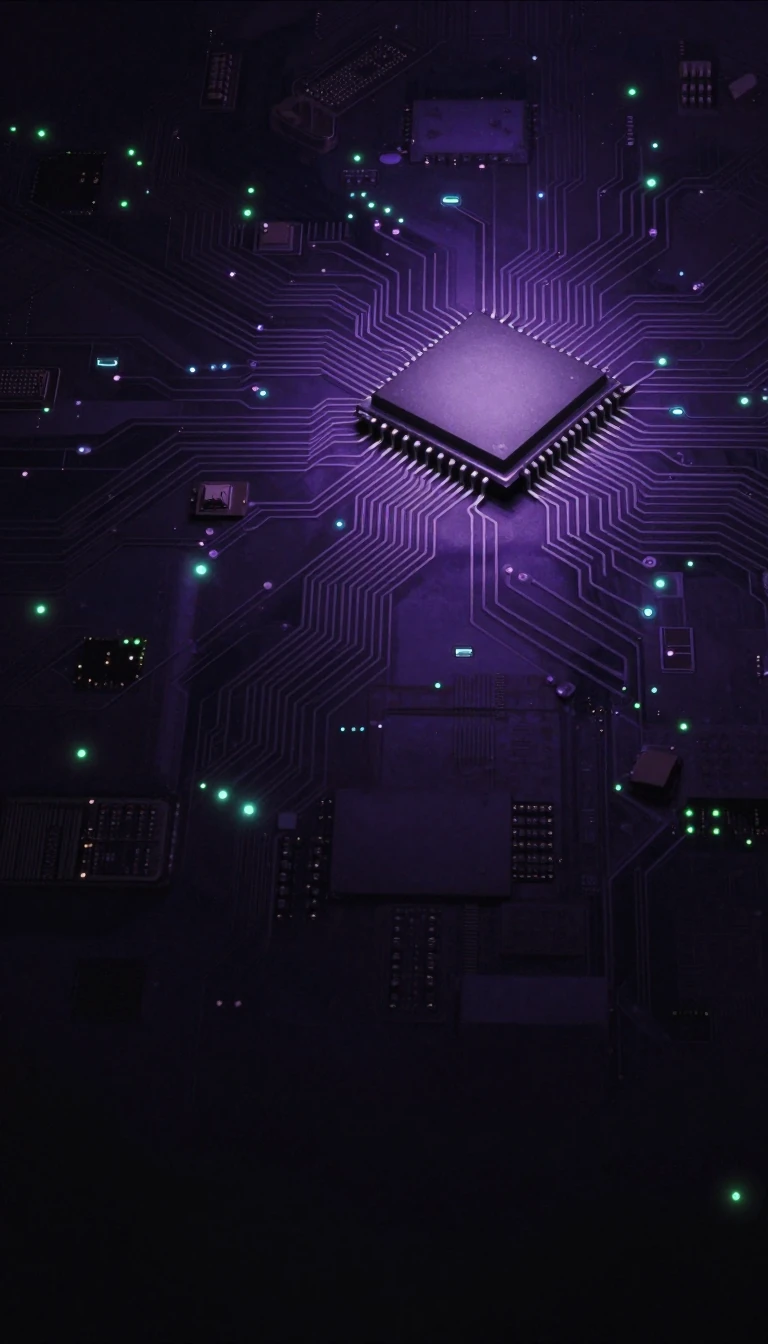
In short: While Bell Labs famously demonstrated the first transistor in 1947, they were not alone. Across the Atlantic, European scientists were simultaneously developing solid-state amplifiers. This race to replace bulky, power-hungry vacuum tubes birthed the most widely manufactured device in human history, forever changing how we process and store information.
The transistor's origins are often simplified, but the reality was a messy, parallel evolution. While William Shockley, John Bardeen, and Walter Brattain are credited with the 1947 Bell Labs breakthrough, their work emerged from wartime efforts to improve radar technology. Simultaneously, German physicist Herbert Mataré was experimenting with 'Duodiode' amplifiers at Telefunken. By 1948, Mataré and Heinrich Welker had independently developed the 'Transistron' in France, which reached commercial production before Bell Labs had even made a public announcement.
The technical hurdles were immense. Early germanium-based transistors were fragile, moisture-sensitive, and difficult to manufacture. The team at Bell Labs struggled with surface states—the 'odd' behavior of electrons at the crystal surface—until Bardeen developed a new branch of quantum mechanics to explain it. Even then, the first point-contact designs were so delicate that they were essentially laboratory curiosities. It was not until the invention of the MOSFET and the discovery of surface passivation by silicon dioxide in the late 1950s that mass production became viable.
The commercialization of the technology was equally fraught. The Regency TR-1 radio, released in 1954, was the first transistor radio for U.S. consumers, yet it was more of a status symbol than a high-performance device. It required a 22.5-volt battery and performed poorly compared to vacuum tube models. Despite these humble beginnings, the transition from germanium to silicon and the refinement of planar manufacturing processes turned the transistor into the backbone of modern computing. Today, the MOSFET remains the dominant architecture, with an estimated 13 sextillion units manufactured between 1960 and 2018.
Opens the Intellect+ feed with this card first. Swipe up for the next one.
Sources
- Summary by Intellect · source: History of the transistor
To cite this card, link to https://intellectplus.co.uk/app/history-history-of-the-transistor.
How we source, check and correct cards: Editorial standards.
General information, not professional advice. Spotted an error? Flag the card or see corrections and complaints.
Intellect Plus is a visual educational discovery platform for exploring fascinating facts and ideas. Brain Food, Not Brain Rot. What is Intellect Plus?
Related
More in History by topic · More in History · Latest · A–Z · All topics
