Ancient civilizations mastered indoor plumbing and complex sanitation long before the modern era
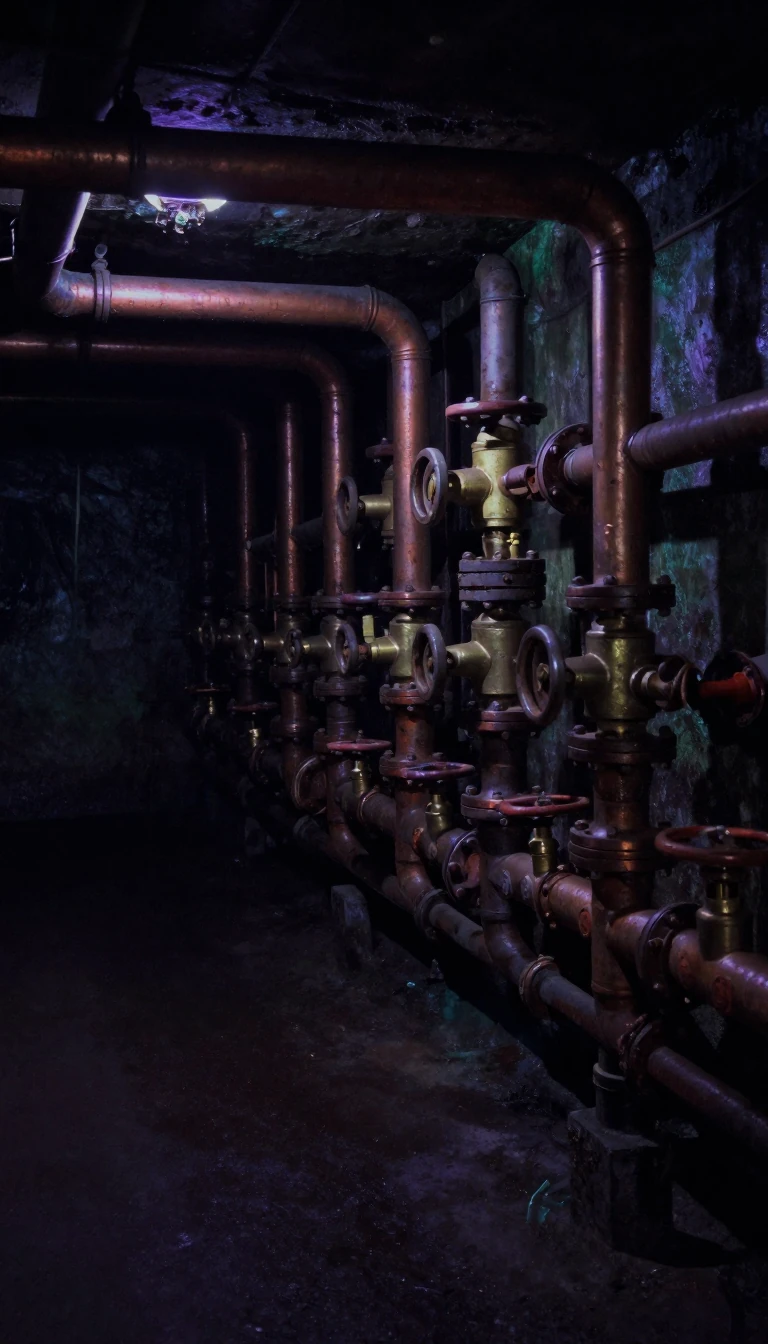
In short: We often imagine sanitation as a modern invention, but ancient societies were engineering sophisticated water systems thousands of years ago. From the Indus Valley to Minoan Crete, early urban planners built pressurized pipes, indoor latrines, and complex sewer networks that rivaled the infrastructure of much later European cities.
The history of water management is as old as sedentary life. As early as 8500 BCE, Neolithic humans were digging permanent wells in Cyprus, while Mesopotamian cities like Uruk featured brick-constructed latrines by 3200 BCE. The Indus Valley civilization, particularly at sites like Lothal and Mohenjo-daro, developed perhaps the most advanced early systems. Their urban centers utilized precisely laid brick drains, terracotta pipes, and soak pits to manage wastewater, with some homes featuring private bathing platforms connected to public sewer networks.
Technological ingenuity flourished across diverse cultures. Minoan Crete utilized underground clay pipes and even a potential 16th-century BCE flush toilet, while the Nazca of Peru engineered interconnected wells known as puquios. In the Islamic Golden Age, cities like Baghdad and Fustat boasted massive bathhouse networks and multi-story tenements equipped with flush toilets. These systems were supported by advanced hydrological knowledge, such as that documented by Al-Karaji, who explored groundwater flow and filtration processes in the 10th and 11th centuries.
The narrative that sanitation vanished in Europe after the Roman Empire is a myth. Medieval cities like Paris and Constantinople maintained public bathhouses, and engineering continued to evolve; for instance, Dubrovnik established a regulated sewage system in 1272 that remains operational today. While overcrowding and poor sanitation certainly contributed to devastating pandemics like the Black Death, the historical record reveals a persistent, global human effort to secure clean water and manage waste through centuries of innovation, often driven by religious mandates for purity or the simple necessity of urban survival.
Opens the Intellect+ feed with this card first. Swipe up for the next one.
Sources
- Summary by Intellect · source: History of water supply and sanitation
To cite this card, link to https://intellectplus.co.uk/app/history-history-of-water-supply-and-sanitation.
How we source, check and correct cards: Editorial standards.
General information, not professional advice. Spotted an error? Flag the card or see corrections and complaints.
Intellect Plus is a visual educational discovery platform for exploring fascinating facts and ideas. Brain Food, Not Brain Rot. What is Intellect Plus?
Related
More in History by topic · More in History · Latest · A–Z · All topics
