How a small fishing village transformed into the world's largest, most fortified city.
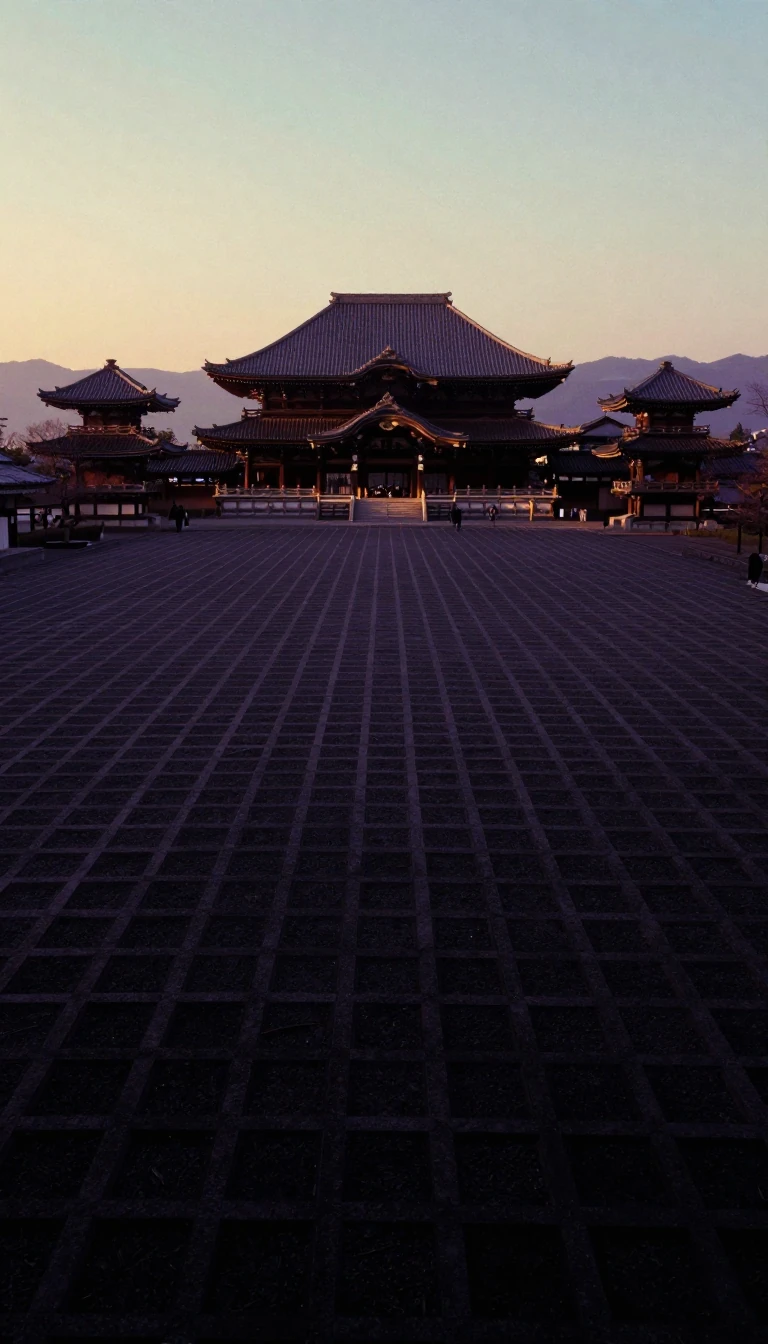
In short: Before it was the neon-lit metropolis of Tokyo, the city was Edo: a strategic, feudal citadel built on geomancy and rigid social control. From its origins as a collection of fishing villages to a fire-ravaged capital, Edo’s history reveals a masterclass in urban engineering and brutal political survival.
The site of Tokyo has been inhabited for 5,000 years, but its rise to prominence began in 1457 when Ōta Dōkan constructed Edo Castle. Strategically positioned near river estuaries, the castle became the center of a burgeoning military hub. By 1600, Tokugawa Ieyasu seized control of the region, choosing Edo as the seat of his new shogunate. This transition effectively stripped the monarchy in Kyoto of actual power, establishing a feudal system that historian Stephen Mansfield described as the most well-managed in the world.
Edo’s development was dictated by a blend of military necessity and Chinese geomancy. The city layout followed Taoist yin-yang principles, with specific landmarks placed to guard against spiritual and physical threats. For instance, the Kan'ei-ji temple was built in 1624 to block the 'Devil's Gate' in the northeast. Beyond the spiritual, the city was a feat of civil engineering. To support a growing population, the shogunate constructed the 80-kilometer Tamagawa Josui water system between 1652 and 1654, a project more advanced than contemporary European infrastructure.
Life in Edo was defined by extreme stratification and constant peril. The city was a 'military citadel' where 70% of the land was reserved for samurai and daimyo estates. Commoners lived in cramped 'rear long-houses' and faced frequent disasters, most notably the 1657 Great Fire of Meireki, which claimed 108,000 lives and destroyed two-thirds of the city. Despite the harshness—including public executions and the 'Edo disease' (beriberi) caused by a white-rice-only diet—the city flourished. By 1720, Edo had become the world's largest city, setting the stage for its eventual transformation into modern Tokyo following the Meiji Restoration.
Opens the Intellect+ feed with this card first. Swipe up for the next one.
Sources
- Summary by Intellect · source: History of Tokyo
To cite this card, link to https://intellectplus.co.uk/app/history-history-of-tokyo.
How we source, check and correct cards: Editorial standards.
General information, not professional advice. Spotted an error? Flag the card or see corrections and complaints.
Intellect Plus is a visual educational discovery platform for exploring fascinating facts and ideas. Brain Food, Not Brain Rot. What is Intellect Plus?
Related
More in History by country, small region and city · More in History · Latest · A–Z · All topics
