From ancient nomadic routes to a modern state, how did Turkmenistan forge its identity?
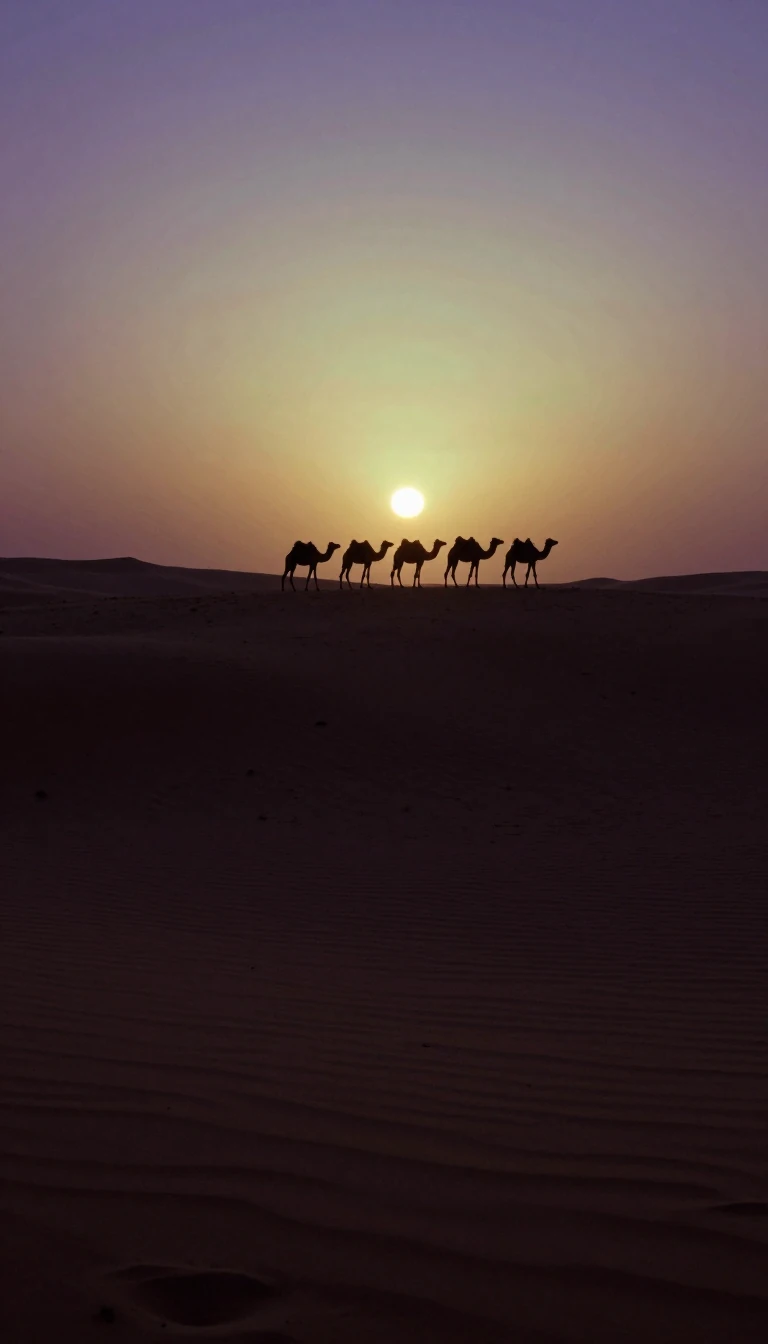
In short: Turkmenistan is a land of stark contrasts, where vast, waterless deserts meet fertile oases. While the region served as a crossroads for empires for millennia, it only emerged as a distinct political entity in 1924. Today, this Central Asian nation balances its rich nomadic heritage with a complex modern history.
The history of this region is defined by its geography. Four-fifths of the territory is covered by the Turan Plain, including the expansive Karakum Desert. For centuries, these arid conditions shaped a nomadic lifestyle, with early tribes like the Massagetae and Scythians traversing the land. By 2000 BC, Indo-European peoples had established settlements, and the area later became a vital corridor for conquerors, including Alexander the Great, who founded a city near the Murghab River that would evolve into the historic center of Merv.
The cultural landscape underwent a profound transformation with the arrival of Arab and Oghuz Turkic groups. The Oghuz introduced the Turkic language that remains dominant today, while Islamic traditions merged with local Iranian influences. This era saw Merv flourish as a hub of science and commerce. However, the region also faced devastating invasions, most notably by the Mongols under Genghis Khan, followed by centuries of shifting control among various regional powers.
In the late 19th century, the Russian Empire annexed the territory, eventually leading to its incorporation into the Soviet Union as the Turkmen Soviet Socialist Republic in 1925. Following the collapse of the Soviet Union, Turkmenistan declared independence on October 27, 1991. The nation transitioned under the long-term rule of Saparmyrat Nyýazow, who established a highly centralized government. Since his death in 2006, the country has seen a succession of leadership, including the current president, Serdar Berdymukhammedov, who continues the legacy of a state that remains distinct for its insular and authoritarian political structure.
Opens the Intellect+ feed with this card first. Swipe up for the next one.
Sources
- Summary by Intellect · source: Turkmenistan | People, Geography, Government, & History | Britannica
- Also: History of Turkmenistan
To cite this card, link to https://intellectplus.co.uk/app/history-history-of-turkmenistan.
How we source, check and correct cards: Editorial standards.
General information, not professional advice. Spotted an error? Flag the card or see corrections and complaints.
Intellect Plus is a visual educational discovery platform for exploring fascinating facts and ideas. Brain Food, Not Brain Rot. What is Intellect Plus?
Related
More in History by country, small region and city · More in History · Latest · A–Z · All topics
