Warsaw: A resilient capital forged by centuries of fire, partitions, and rebirth
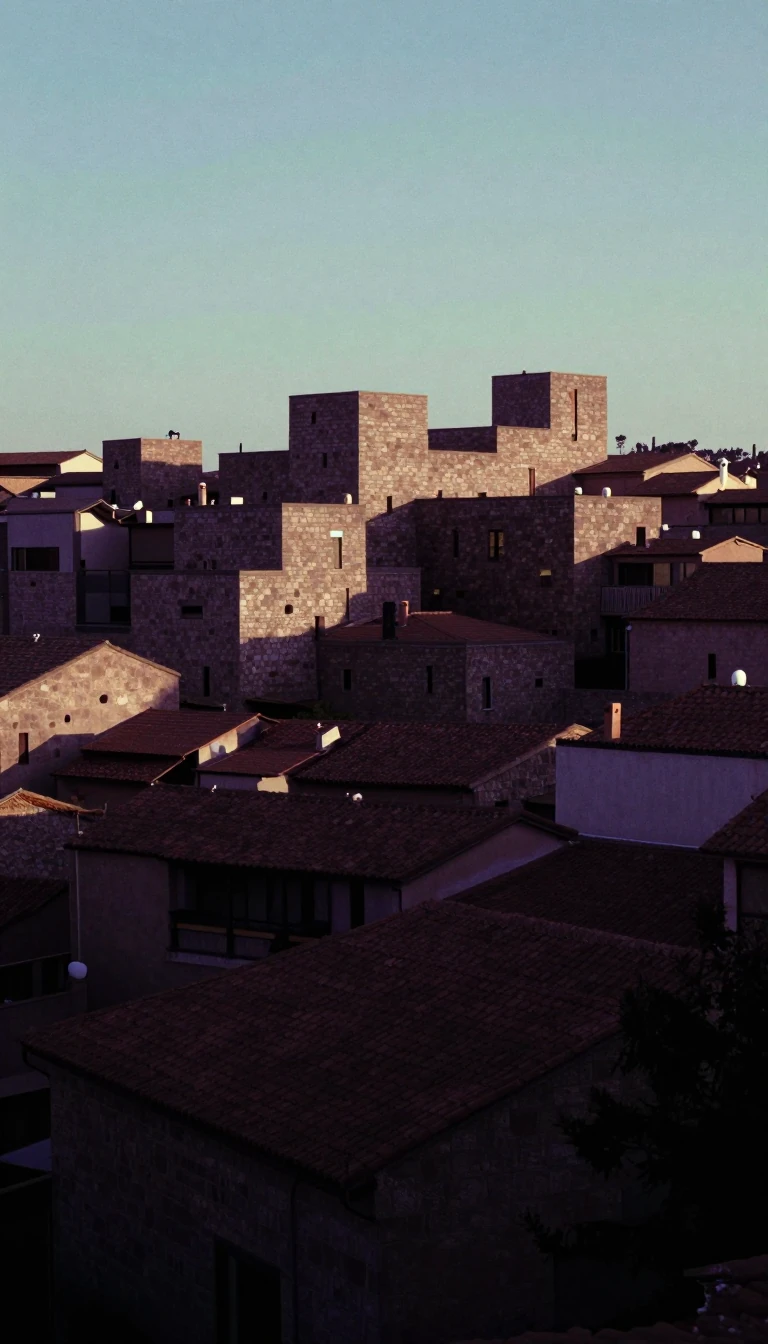
In short: Warsaw has evolved from a cluster of 9th-century villages into a major European capital. Its history is defined by extreme volatility, including repeated sieges, partitions, and total destruction. Yet, through centuries of occupation and conflict, the city has consistently rebuilt itself, emerging as a multicultural hub of Central Europe.
The origins of Warsaw trace back to fortified settlements like Bródno and Jazdów, established between the 9th and 13th centuries. By 1313, the city was recognized as a castellan seat, and in 1413, it became the capital of the Duchy of Masovia. Its strategic location between Kraków and Vilnius led King Sigismund III Vasa to move the royal court there in 1596, cementing its status as the capital of the Polish–Lithuanian Commonwealth. This era saw the city flourish as a center of trade and enlightenment, even as it faced constant threats from Swedish and Russian forces.
Warsaw’s path was rarely peaceful. The city endured the devastating Swedish invasions of the 17th century and the brutal 'slaughter of Praga' in 1794, where an estimated 20,000 people were killed. Following the Third Partition of Poland in 1795, the city was annexed by Prussia, later becoming the capital of the Duchy of Warsaw under Napoleon and eventually the center of Congress Poland under Russian influence. Throughout the 19th century, despite Russian attempts to suppress Polish identity, the city modernized rapidly, gaining water systems, railways, and electric infrastructure under administrators like Sokrates Starynkiewicz.
The early 20th century brought further upheaval, including the 1905 revolution and the arrival of the Imperial German Army in 1915. Despite these challenges, Warsaw remained the heartbeat of Polish national life. From the Great Sejm of the 1780s to the 1920 Battle of Warsaw, the city served as the stage for Poland’s most critical political and military turning points. Today, Warsaw stands as a testament to endurance, having transformed from a medieval trading post into a modern, multicultural metropolis that has survived the near-total erasure of its past.
The city's architectural and social evolution reflects its complex history. The 18th-century Saxon period brought Baroque elegance, while the Enlightenment fostered institutions like the Commission of National Education—the world's first ministry of education—and the Załuski Library, one of the largest in the world at the time. Even as it was repeatedly razed and rebuilt, Warsaw maintained a unique character, blending the influence of its diverse inhabitants, including Armenian, Scottish, and German communities, into a resilient urban identity.
Opens the Intellect+ feed with this card first. Swipe up for the next one.
Sources
- Summary by Intellect · source: History of Warsaw
To cite this card, link to https://intellectplus.co.uk/app/history-history-of-warsaw.
How we source, check and correct cards: Editorial standards.
General information, not professional advice. Spotted an error? Flag the card or see corrections and complaints.
Intellect Plus is a visual educational discovery platform for exploring fascinating facts and ideas. Brain Food, Not Brain Rot. What is Intellect Plus?
Related
More in History by country, small region and city · More in History · Latest · A–Z · All topics
