Washington is the only U.S. state named after a president, but its history runs deep.
In short: Long before it became the 42nd state, the region now known as Washington was home to a diverse network of indigenous tribes. While modern maps highlight its coastal trade and volcanic peaks, the landscape holds thousands of years of human history, from ancient villages to complex, gender-divided societies.
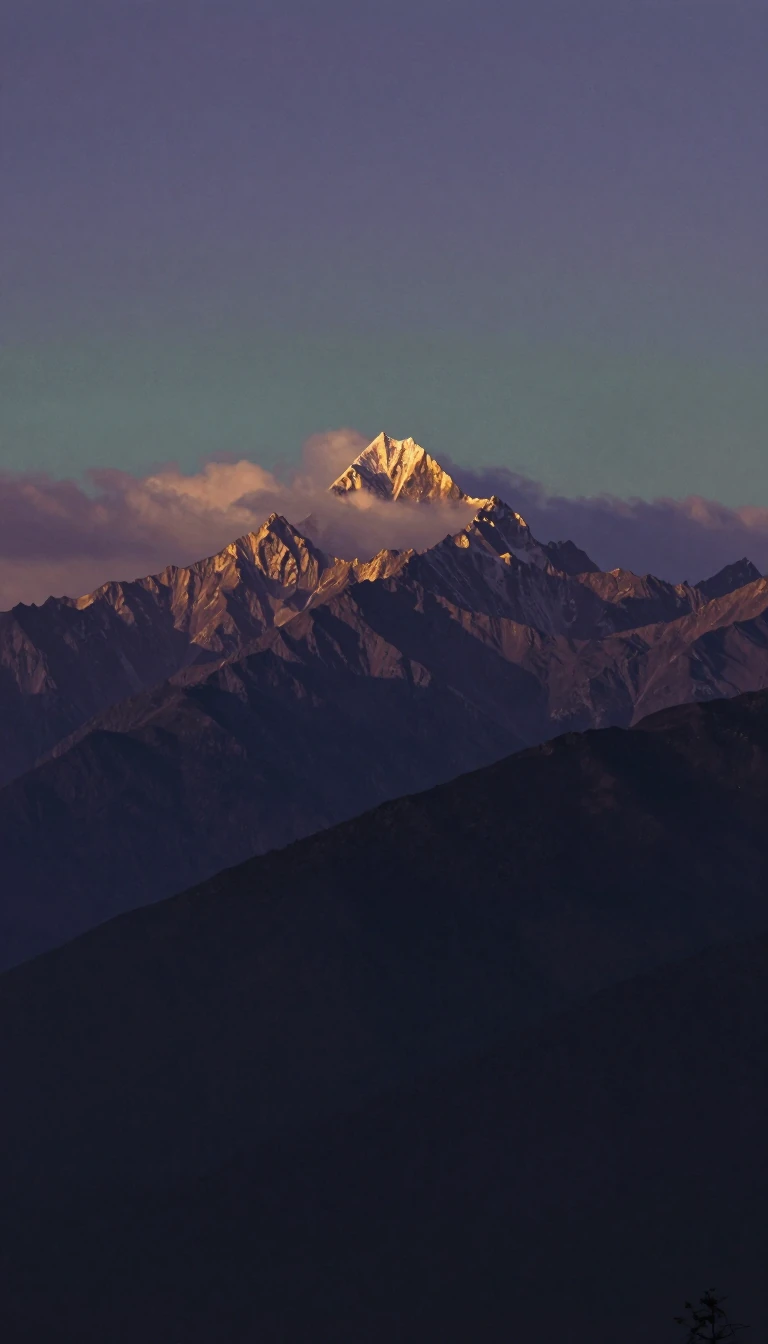
The state’s geography is defined by a dramatic divide. The Cascade Range acts as a barrier, separating the rainy, forested western third from the drier, agricultural eastern two-thirds. This environmental split has dictated human settlement for millennia. In the west, the Puget Sound Lowland, with its deep waters and harbors, has long served as the state's commercial heart, while the Columbia basin in the east relies on irrigation to support its vast wheat and livestock production.
Archaeological evidence suggests the Pacific Northwest was among the earliest populated regions in North America. Human habitation in the Olympic Peninsula dates back approximately 11,000 years, following massive flooding that carved the Columbia Gorge. Before European arrival, anthropologists estimate that 125 distinct tribes inhabited the region, speaking 50 different languages. Coastal groups, such as the Chinook and Makah, built longhouses from cedar and relied on salmon and whale, while Plateau tribes in the east practiced seasonal hunting and gathering.
European interest in the region began in the late 18th century. Spanish mariners were the first to record sightings of the coast, with Don Bruna de Heceta landing at Point Grenville in 1775. By 1792, British Captain George Vancouver mapped the coast and claimed the waters of Puget Sound for Britain. These early maritime explorations eventually gave way to territorial claims, leading to the region's inclusion in the Oregon Territory. Following the Monticello Convention, Washington was separated and officially admitted to the Union on November 11, 1889.
Today, the state remains a hub of trade with the Pacific Rim, supported by its coastal location. However, it faces modern challenges, including topsoil loss from mechanized agriculture and the ongoing management of its diverse ecosystems. From the violent 1980 eruption of Mount St. Helens to the preservation of ancient artifacts at sites like Ozette, Washington’s history is a testament to a landscape that is as volatile as it is enduring.
Opens the Intellect+ feed with this card first. Swipe up for the next one.
Sources
- Summary by Intellect · source: Washington | State Capital, Map, History, Geography, Cities, & Facts | Britannica
- Also: History of Washington (state)
To cite this card, link to https://intellectplus.co.uk/app/history-history-of-washington-state.
How we source, check and correct cards: Editorial standards.
General information, not professional advice. Spotted an error? Flag the card or see corrections and complaints.
Intellect Plus is a visual educational discovery platform for exploring fascinating facts and ideas. Brain Food, Not Brain Rot. What is Intellect Plus?
Related
More in History by country, small region and city · More in History · Latest · A–Z · All topics
