The Inca used specialized tubers to make soldiers forget their spouses
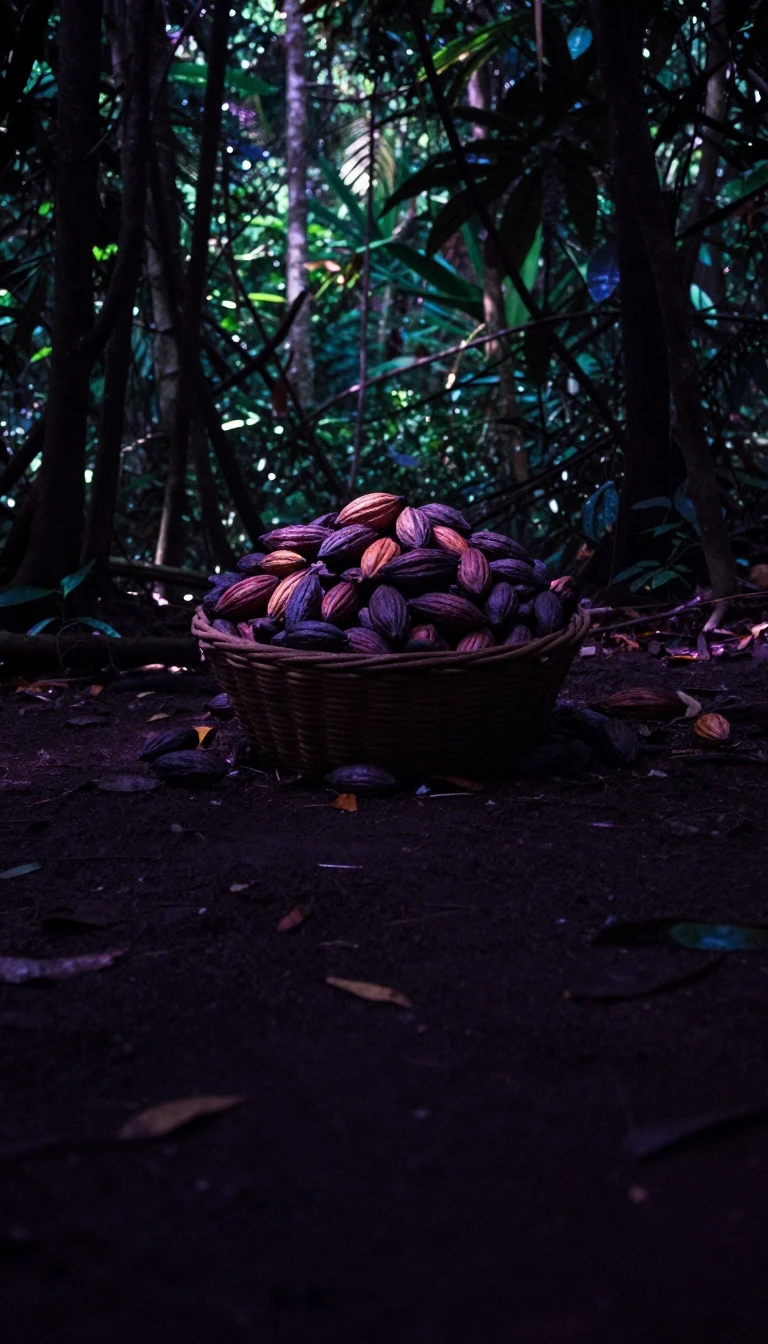
In short: Inca cuisine was a sophisticated feat of engineering and social hierarchy. By mastering diverse microclimates through mountain terracing, they cultivated a vast array of staples. From high-protein seeds to specialized tubers used as military aphrodisiacs, their culinary landscape reflected a complex balance of environmental adaptation and rigid social status.
The Inca civilization (13th to 16th century) mastered the varied climates of the Peruvian coast and mountains. They utilized extensive terrace systems to grow a diverse range of staples across different altitudes. While tubers and roots were the primary caloric foundations, they were often ranked lower in social status than maize, which was the essential ingredient for chicha, a fermented beverage used to facilitate social relations and honor ancestors.
The culinary landscape was defined by unique adaptations. For example, the tuber Tropaeolum tuberosum (mashua or añu) was prized for its resistance to frost and drought. Because it was naturally very bitter, it required specific preparation to release its desired flavor. It was famously served to Inca soldiers during military campaigns as an aphrodisiac, intended to make them forget their spouses. Other specialized crops included oca (sweet and bitter varieties), tarwi (a high-protein plant requiring careful treatment to remove toxins), and yacón, a sweet root popular for long sea voyages.
Meat and preservation were equally complex. The common folk ate guinea pigs (cuy), which were domesticated by 2000 BC and often cooked with hot stones. In contrast, royalty consumed the lizard Dicrodon holmbergi, which was trapped, paralyzed, and cooked in heated sand and ashes. For the general population, dried fish (including skates and rays) served as a mainstay. The Inca also developed intricate preservation methods, such as sharqui—strips of freeze-dried camelid meat—which served as the precursor to modern jerky.
Culinary production was a major industrial and social endeavor. Sites like El Shincal in Argentina served as dedicated centers for mass-producing chicha, featuring numerous bedrock mortars. Archaeologists believe this labor was predominantly performed by women. Furthermore, the transition from preparation to consumption was marked by artistic ceramic vessels. While 'ollas' were used for boiling and stewing, 'cazuelas' were specifically designed for serving soups and stews, often featuring polychrome designs that signaled the cultural value of the meal.
Opens the Intellect+ feed with this card first. Swipe up for the next one.
Sources
- Summary by Intellect · source: Inca cuisine
To cite this card, link to https://intellectplus.co.uk/app/history-inca-cuisine.
How we source, check and correct cards: Editorial standards.
General information, not professional advice. Spotted an error? Flag the card or see corrections and complaints.
Intellect Plus is a visual educational discovery platform for exploring fascinating facts and ideas. Brain Food, Not Brain Rot. What is Intellect Plus?
Related
More in Inca · More in History · Latest · A–Z · All topics
