How Peru transformed global diets while its own culinary heritage faced centuries of neglect
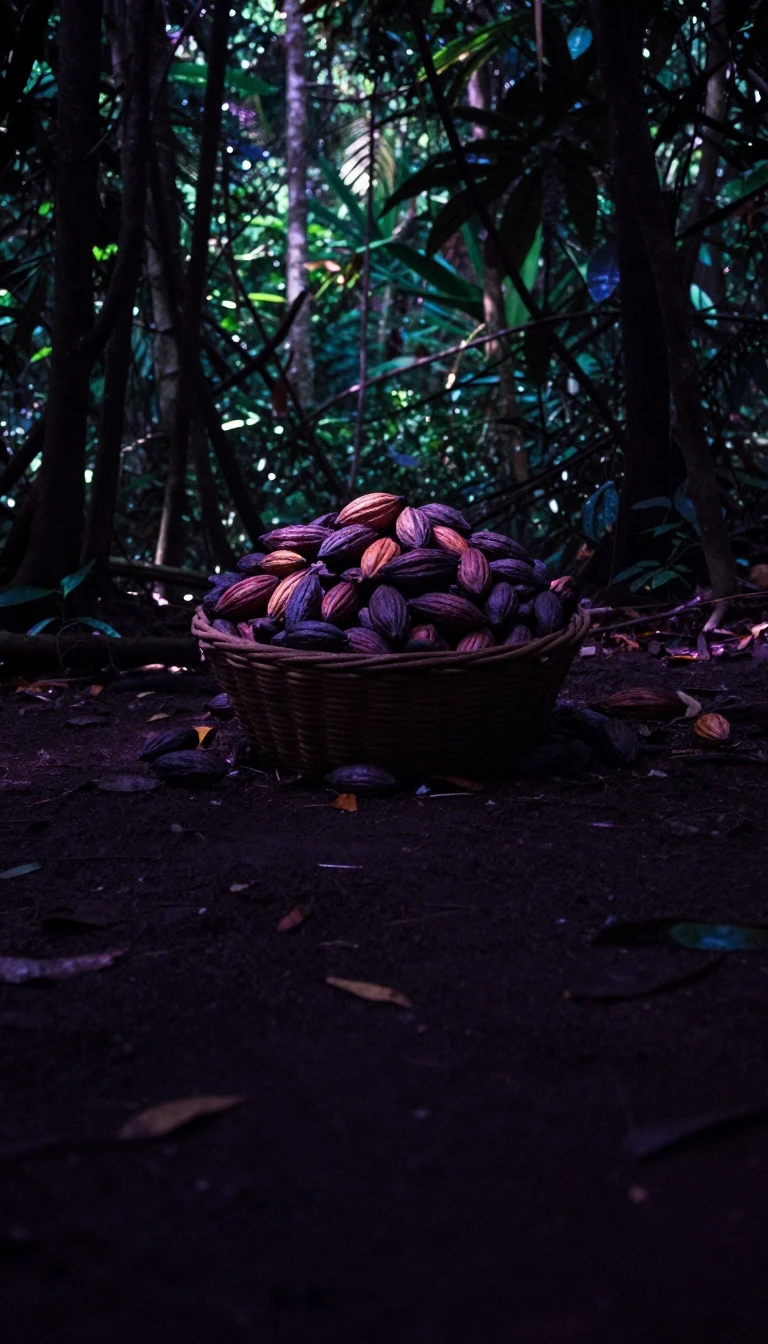
In short: Peruvian cuisine is a masterclass in fusion, blending indigenous Andean traditions with waves of Spanish, African, and Asian immigration. While the world adopted Peruvian staples like potatoes, local appreciation for these native ingredients suffered for centuries. Today, a culinary revival is reshaping both the nation's identity and global nutrition.
The foundation of Peruvian food lies in the diverse geography of the Andes, the Amazon, and the Pacific coast. Indigenous populations cultivated staples like potatoes, corn, and pseudocereals such as quinoa and kiwicha long before the Spanish arrived in the 1530s. These early inhabitants developed sophisticated agricultural techniques to master the challenging Andean terrain, creating a genetic reservoir of crops that remains vital today.
The arrival of the Spanish introduced new ingredients like wheat, rice, and various meats, alongside cooking methods such as frying. Later, in the late 19th century, African and Asian immigration further diversified the palate. Chinese influence birthed lomo saltado, a global favorite, while African traditions contributed dishes like tacu-tacu. This multicultural history makes Peru a premier example of fusion cuisine, where limited access to original ingredients forced immigrants to innovate with local substitutes.
Despite this richness, the colonial era and subsequent republican periods fostered a bias against native ingredients, often dismissing them as peasant food. This attitude persisted until the 1970s, when a movement began to reclaim these traditional plants. Modern interest has been fueled by celebrity chefs like Gastón Acurio and international endorsements, including NASA’s use of quinoa and maca for astronaut meals. However, this global popularity has a complex downside: rising demand has increased prices, making traditional staples less accessible to the native Peruvians who have relied on them for generations.
Today, the country’s culinary landscape is defined by its 28 distinct climates and a history of internal migration. From the iconic ceviche—which evolved from pre-Columbian marination techniques using passionfruit to the modern citrus-based version—to the chifa traditions of Lima, the cuisine remains a living record of Peru's social and environmental history. While the government actively promotes this heritage through initiatives like the Gastronomy Project, the tension between commercialization and the preservation of indigenous food security remains a critical challenge.
Opens the Intellect+ feed with this card first. Swipe up for the next one.
Sources
- Summary by Intellect · source: Peruvian cuisine
To cite this card, link to https://intellectplus.co.uk/app/music-peruvian-cuisine.
How we source, check and correct cards: Editorial standards.
General information, not professional advice. Spotted an error? Flag the card or see corrections and complaints.
Intellect Plus is a visual educational discovery platform for exploring fascinating facts and ideas. Brain Food, Not Brain Rot. What is Intellect Plus?
Related
More in Music · More in Music · Latest · A–Z · All topics
