Why the Berlin Wall was built to stop a massive economic brain drain
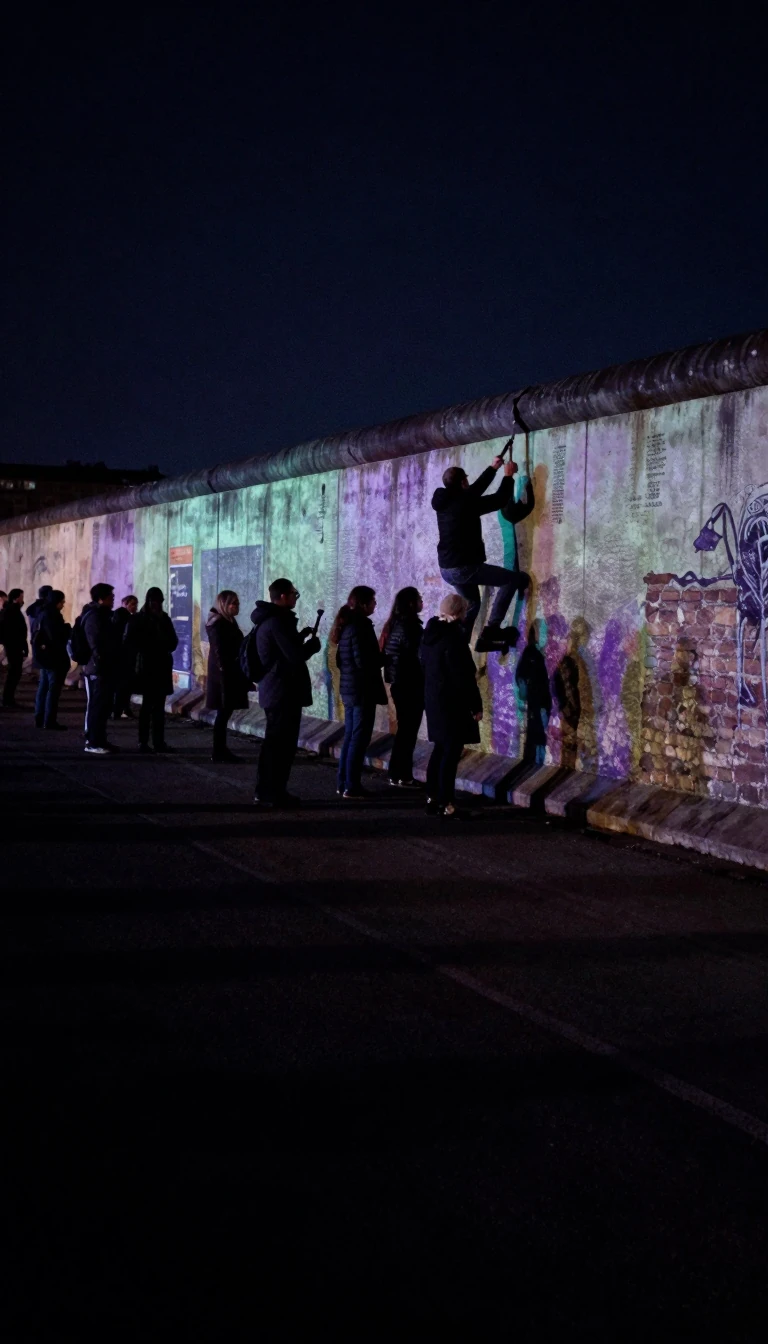
In short: By 1961, East Germany was hemorrhaging its most skilled workers to the West. Facing a demographic collapse, the Soviet-backed government took the drastic step of sealing the border overnight. This move transformed a Cold War diplomatic standoff into a permanent physical barrier that redefined the map of Europe.
The Berlin Crisis of 1961 emerged from a long-standing dispute over the status of the divided city. Following World War II, the United States, United Kingdom, France, and the Soviet Union each governed a sector of Berlin. By 1958, Soviet Premier Nikita Khrushchev began demanding that Western allies relinquish their occupation roles, threatening to sign a separate treaty with East Germany if they refused. These tensions were exacerbated by the U-2 spy plane incident in 1960, which caused the collapse of a planned Paris summit and deepened mutual distrust between the superpowers.
The situation reached a breaking point during the 1961 Vienna Summit between Khrushchev and U.S. President John F. Kennedy. Khrushchev reiterated his ultimatum, while Kennedy insisted on maintaining free access to West Berlin. Behind the diplomatic posturing lay a desperate reality for the East German government: by July 1961, over 1,000 refugees were fleeing to the West every day. This exodus of educated and skilled labor threatened the stability of the communist state, which had already seen 2.5 million people depart since 1949.
On the night of August 12–13, 1961, East Germany began constructing a wall to physically separate its sector from West Berlin. The United States chose not to intervene, as the barrier was built within the Soviet sphere of control. When Khrushchev’s December 1961 deadline passed without further escalation, the crisis receded. The wall ultimately solidified the division of Europe, establishing a clear, albeit tense, understanding of the respective spheres of influence held by the United States and the Soviet Union.
Opens the Intellect+ feed with this card first. Swipe up for the next one.
Sources
- Summary by Intellect · source: Berlin crisis of 1961 | Facts, Significance, & Outcome | Britannica
- Also: Berlin Crisis of 1961
To cite this card, link to https://intellectplus.co.uk/app/nature-berlin-crisis-of-1961.
How we source, check and correct cards: Editorial standards.
General information, not professional advice. Spotted an error? Flag the card or see corrections and complaints.
Intellect Plus is a visual educational discovery platform for exploring fascinating facts and ideas. Brain Food, Not Brain Rot. What is Intellect Plus?
Related
More in Physical geography · More in Nature · Latest · A–Z · All topics
