How a copper-smith’s apprentice sparked an Iranian resurgence against the mighty Abbasid Caliphate
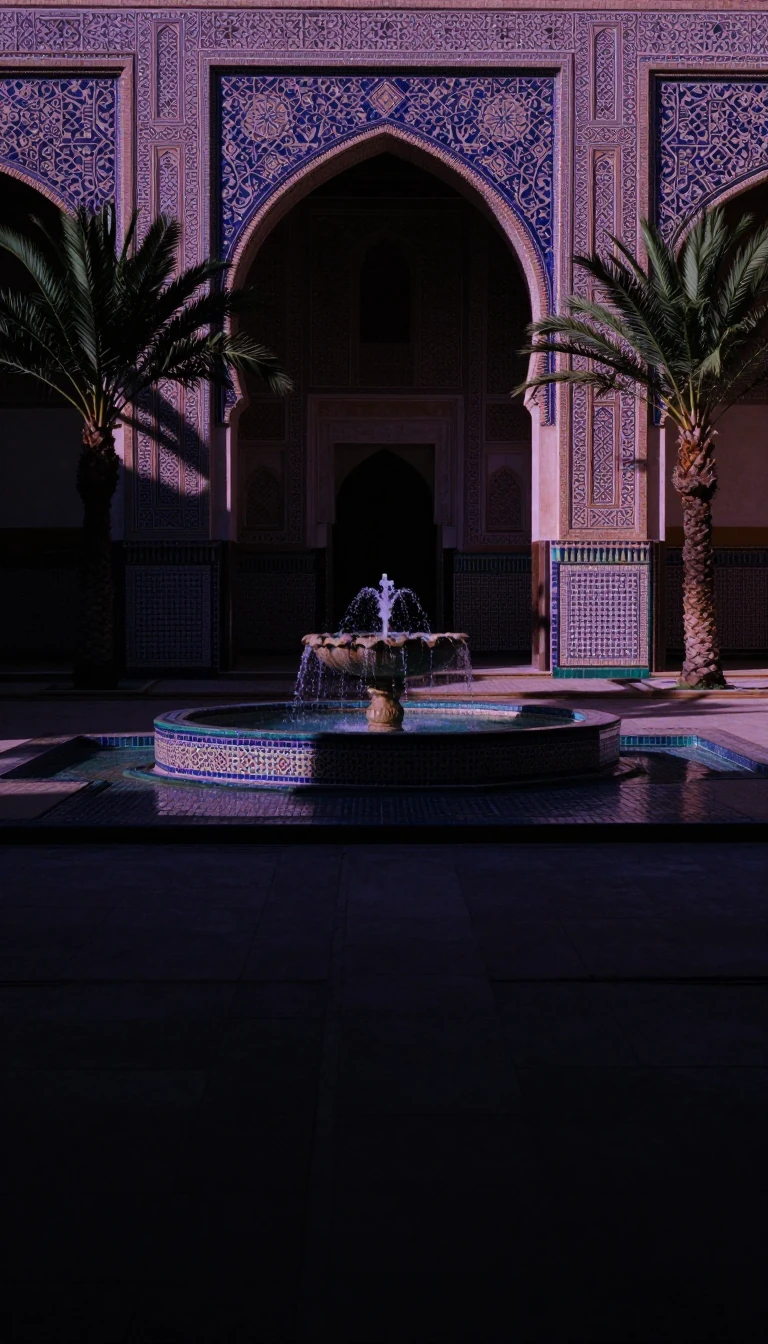
In short: Between the 9th and 11th centuries, a series of independent dynasties emerged across Iran, challenging the central authority of Baghdad. From former coppersmiths to mountain princes, these rulers navigated the delicate balance of Islamic legitimacy and local autonomy, effectively ending Arab hegemony and reviving a distinct Persian national spirit.
The Iranian Intermezzo, spanning roughly 821 to 1055, represents a pivotal shift in the political landscape of the Islamic world. It began as the Abbasid Caliphate struggled to maintain direct control over its vast eastern territories. Initially, the caliphs in Baghdad attempted to manage these regions by appointing loyal generals, such as the Tahirids in Khorasan. These governors, while of Iranian descent, operated as servants of the state, maintaining the caliph’s authority and ensuring the flow of revenue. However, this system proved fragile, creating a power vacuum that local movements were eager to fill.
The rise of the Saffarids, led by the former coppersmith Yaʿqūb ibn Layth, signaled a radical departure from this model. Unlike the Tahirids, Yaʿqūb built a military force loyal solely to himself, rather than to any religious or doctrinal concept. His forces even marched on Baghdad, only being stopped when the caliph’s commanders flooded the battlefield by bursting dikes. Though Yaʿqūb died in 879, his efforts laid the groundwork for an Iranian resurgence. He minted his own coinage and mandated that poetry in his honor be composed in Persian, the language of his people, rather than the Arabic he did not understand.
The Samanids offered a more stable, albeit complex, alternative. Originating from a landlord in Balkh, they secured legitimacy by paying tribute to the caliph in exchange for formal investiture. This arrangement allowed them to govern wealthy Transoxanian cities like Bukhara and Samarkand, which became centers of trade and culture that rivaled Baghdad. While they promoted Persian literature and science, they remained careful to uphold Sunni precepts, ensuring their rule was viewed as lawful. This period of fragmentation eventually gave way to the rise of Turkic power, but not before these dynasties had fundamentally reshaped the cultural and political identity of the Iranian plateau.
Opens the Intellect+ feed with this card first. Swipe up for the next one.
Sources
- Summary by Intellect · source: Iran - Intermezzo, 821-1055, Dynasties | Britannica
- Also: Iranian Intermezzo
To cite this card, link to https://intellectplus.co.uk/app/history-iranian-intermezzo.
How we source, check and correct cards: Editorial standards.
General information, not professional advice. Spotted an error? Flag the card or see corrections and complaints.
Intellect Plus is a visual educational discovery platform for exploring fascinating facts and ideas. Brain Food, Not Brain Rot. What is Intellect Plus?
Related
More in Post-classical · More in History · Latest · A–Z · All topics
