How the Safavid Empire transformed Iran into a modern, meritocratic, and Shia state
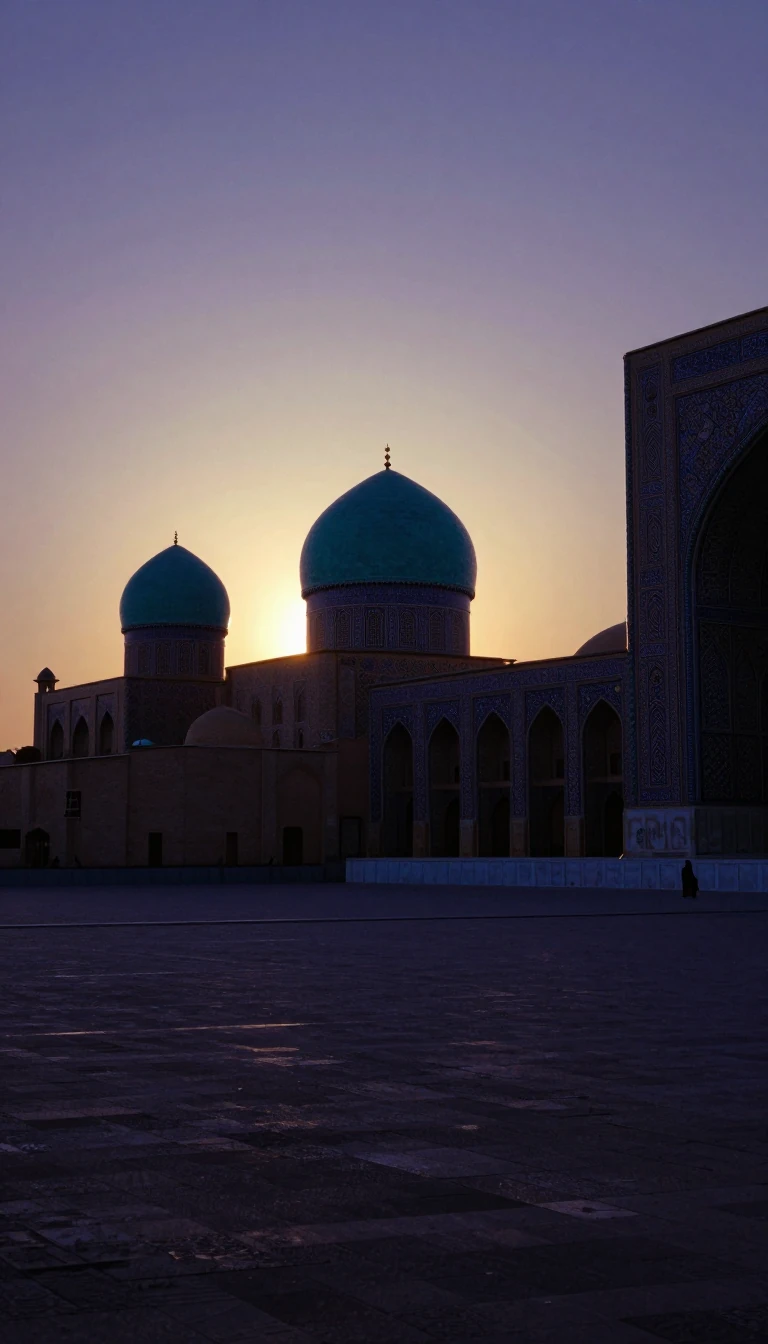
In short: Ruling from 1501 to 1736, the Safavid dynasty fundamentally reshaped Iranian identity. By establishing Twelver Shi'ism as the official state religion and creating a complex, meritocratic bureaucracy designed to check the power of tribal elites, the Safavids forged a national state that remains a cornerstone of modern Iranian history.
The Safavid Empire emerged from a Sufi order in Ardabil, eventually evolving into a powerful state that reasserted Iranian identity. A defining moment occurred under Shah Ismail I, who mandated the conversion of the population to Twelver Shi'ism. This religious shift, supported by the patronage of clergy and the integration of Shia rituals, permanently altered the cultural landscape of the region, spreading from the Caucasus to Mesopotamia.
To manage their vast territory, the Safavids implemented a sophisticated system of checks and balances. The state was divided between the Turkic-speaking military—the Qizilbash—and the Persian-speaking administrative elite. Recognizing the potential for tribal overreach, Shah Tahmasp and later Abbas the Great introduced a 'third force' of Caucasian slave-soldiers, or ghulams. These individuals, recruited from Georgia, Armenia, and Circassia, were loyal only to the Shah, effectively diluting the power of the Qizilbash and reinforcing a meritocratic structure where officials were appointed based on ability rather than birth.
The administration was characterized by intense surveillance. Every official, including the Grand Vizier, operated under the watchful eye of a deputy who reported directly to the monarch. This structure, while centralized under the Shah, allowed for a degree of social mobility. The state also fostered an alliance between the merchant class and the religious establishment, as landowners often donated property to the clergy to protect it from confiscation. This period of Safavid rule, ending in the 18th century, left a legacy of architectural innovation and statecraft that defined the modern Iranian nation.
Opens the Intellect+ feed with this card first. Swipe up for the next one.
Sources
- Summary by Intellect · source: Safavid Iran
To cite this card, link to https://intellectplus.co.uk/app/history-safavid-iran.
How we source, check and correct cards: Editorial standards.
General information, not professional advice. Spotted an error? Flag the card or see corrections and complaints.
Intellect Plus is a visual educational discovery platform for exploring fascinating facts and ideas. Brain Food, Not Brain Rot. What is Intellect Plus?
Related
More in Empires & civilisations · More in History · Latest · A–Z · All topics
