Palenque: The Ancient Maya City That Mastered Hydraulic Engineering and Built a Psychoduct
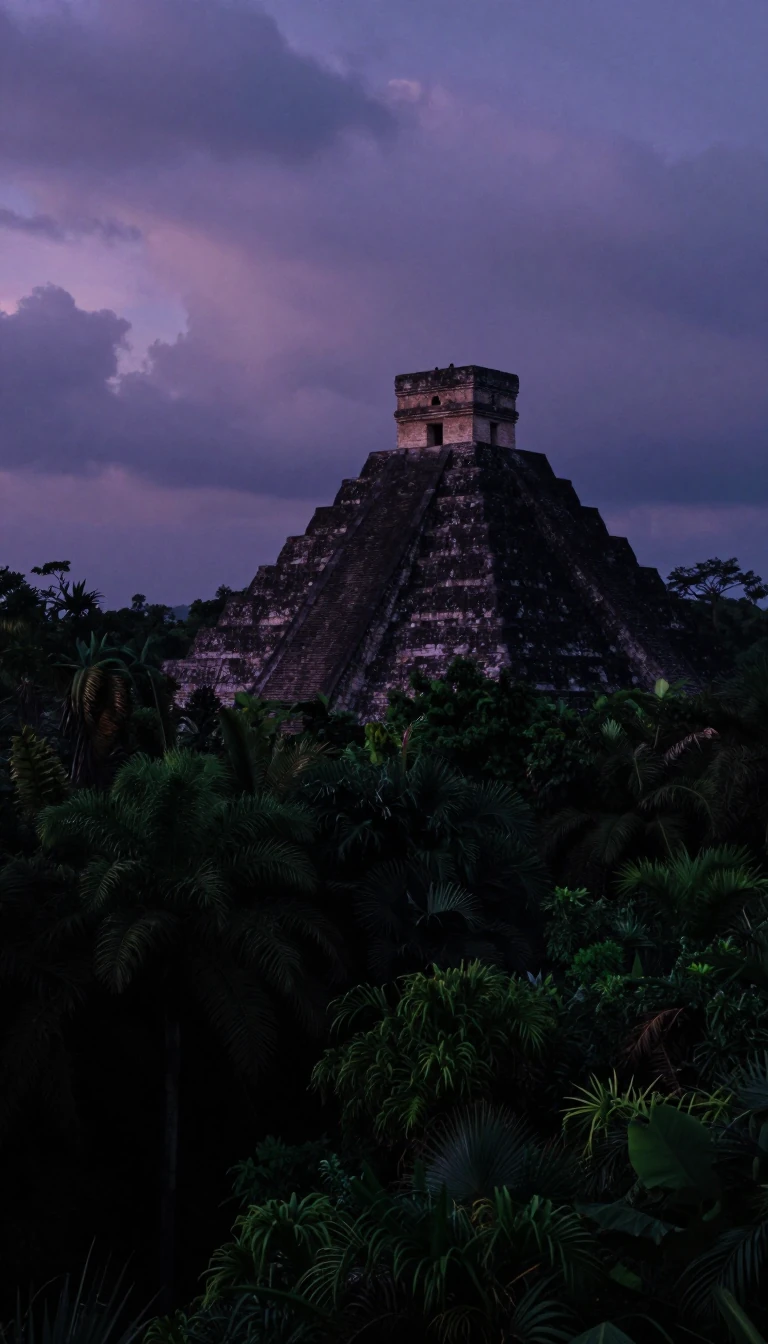
In short: Known in ancient times as Lakamha, or Big Water, this Maya city-state in modern-day Mexico was a marvel of sophisticated urban planning. Beyond its famous funerary architecture, Palenque featured pressurized water conduits and subterranean aqueducts designed to manage the intense tropical rainfall of the Chiapas jungle centuries before its eventual abandonment.
Palenque, which flourished between the 5th and 8th centuries, was a medium-sized but architecturally peerless Maya city-state. Its history is reconstructed from an extensive corpus of hieroglyphic inscriptions, which allowed scholars like Heinrich Berlin, Linda Schele, and Peter Mathews to establish the first dynastic list for any Maya city. The site is most famous for the reign of Kʼinich Janaabʼ Pakal, or Pakal the Great, who ruled from 615 to 683. Pakal oversaw a renaissance in art and construction, transforming the city after it suffered devastating military defeats by the rival state of Calakmul in 599 and 611.
The city's most iconic structure, the Temple of the Inscriptions, serves as Pakal’s funerary monument. Excavated by Alberto Ruz Lhuillier in 1952, the tomb contained a sarcophagus adorned with rich jade ornaments and a mosaic mask. A unique feature of this tomb is the 'psychoduct,' a stone tube that researchers believe served as a symbolic path for the soul to depart the burial chamber. This discovery fundamentally shifted archaeological understanding, proving that these pyramids functioned as both temples and funerary structures.
Palenque’s name, Lakamha, reflects its unique hydrological setting. To navigate the steep karst topography and heavy annual rainfall, Maya architects engineered a complex network of stone aqueducts and pressurized conduits. The Otulum Aqueduct, for instance, diverted a river beneath the main plaza, while the Piedras Bolas conduit utilized a constricted outlet to create water pressure, allowing for fountains that could jet water up to six meters high. These innovations protected the city from flash flooding and erosion while supplying the royal court.
Despite its splendor, Palenque faced recurring conflict, including a significant sack by the realm of Toniná in 711. By the 8th century, the city-state faced mounting pressures common to the Classic Maya world. Elite construction ceased after 800, and the site was eventually reclaimed by the jungle. Today, it is estimated that less than 10% of the city has been explored, leaving over a thousand structures hidden beneath the forest canopy.
Opens the Intellect+ feed with this card first. Swipe up for the next one.
Sources
- Summary by Intellect · source: Palenque
- Also: Wikidata — Palenque · CC0
To cite this card, link to https://intellectplus.co.uk/app/places-palenque.
How we source, check and correct cards: Editorial standards.
General information, not professional advice. Spotted an error? Flag the card or see corrections and complaints.
Intellect Plus is a visual educational discovery platform for exploring fascinating facts and ideas. Brain Food, Not Brain Rot. What is Intellect Plus?
Related
More in World Heritage Sites · More in Countries & Cities · Latest · A–Z · All topics
