The Silk Road oasis that balanced Chinese, Indian, and Iranian cultures for a millennium.
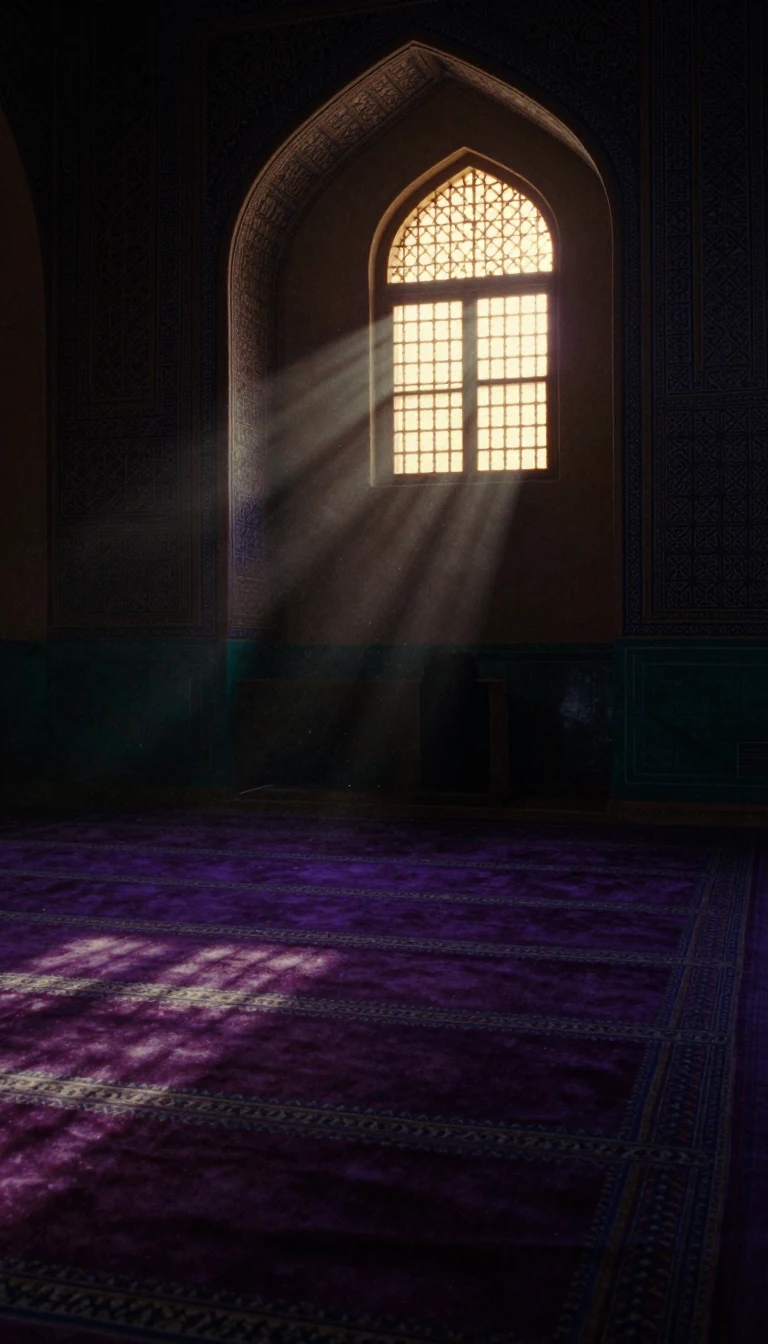
In short: Nestled against the Kunlun Mountains, the Kingdom of Khotan thrived as a vital Silk Road hub. For over a thousand years, this Buddhist oasis city blended diverse influences, from Iranian languages and Indian royal traditions to Chinese imperial aesthetics, before its eventual conquest in the eleventh century.
Located on the southern edge of the Taklamakan Desert, Khotan relied on the Yurung-kash and Kara-kash rivers for survival. This geography allowed it to become a prosperous center for silk, carpets, and nephrite jade. By the first century AD, the city began expanding its influence, eventually controlling thirteen neighboring kingdoms and securing a pivotal position on the southern Silk Road. Its strategic value made it a recurring target for regional powers, including the Han and Tang dynasties, the Tibetan Empire, and the Kushan Empire.
Khotan’s cultural identity was famously complex. While legends claim it was founded by exiled Indian groups from Taxila around the third century BC, modern scholars like Xavier Tremblay argue these stories were later fictions designed to explain the kingdom's deep Indian and Chinese influences. Linguistic evidence points to a strong Iranian foundation; the inhabitants spoke Khotanese, an Eastern Iranian language, alongside Gandhārī Prakrit. By the tenth century, Khotanese had become the official language for administrative documentation, reflecting the kingdom's distinct heritage.
The royal dynasty, known as the Vijita, maintained a sophisticated diplomatic profile. Rulers often adopted multiple titles, blending Indic, Iranian, and Chinese traditions. For instance, the tenth-century king Viśa' Saṃbhava styled himself as a 'king of kings' while simultaneously claiming descent from the Tang imperial family and using the Chinese title of emperor. This syncretism extended to art and religion, with the kingdom serving as a major Buddhist center that funded temples as far away as Dunhuang. This era of prosperity and cultural synthesis ended in 1006, when the kingdom was conquered by the Kara-Khanid Khanate.
Opens the Intellect+ feed with this card first. Swipe up for the next one.
Sources
- Summary by Intellect · source: Kingdom of Khotan
To cite this card, link to https://intellectplus.co.uk/app/history-kingdom-of-khotan.
How we source, check and correct cards: Editorial standards.
General information, not professional advice. Spotted an error? Flag the card or see corrections and complaints.
Intellect Plus is a visual educational discovery platform for exploring fascinating facts and ideas. Brain Food, Not Brain Rot. What is Intellect Plus?
Related
More in Post-classical · More in History · Latest · A–Z · All topics
