How a medieval African kingdom built a stone empire without using any mortar
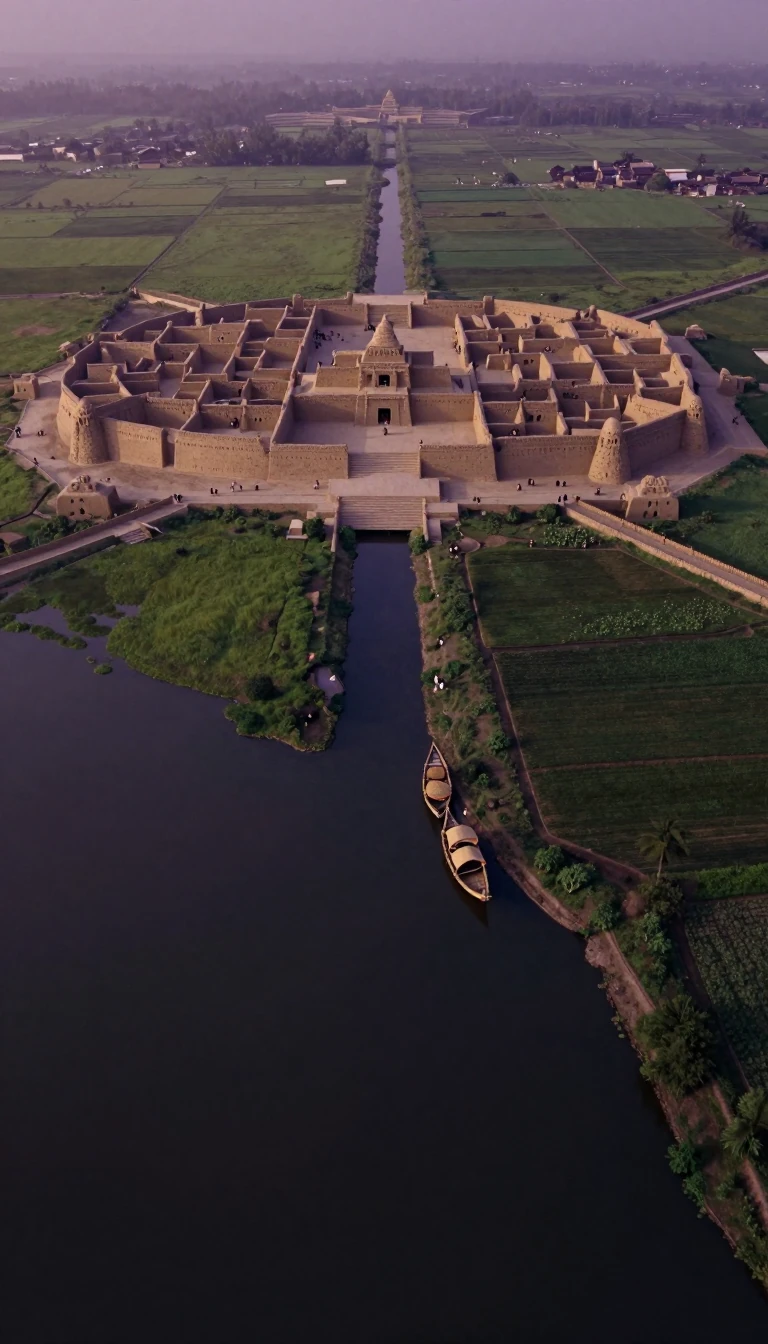
In short: Great Zimbabwe was the largest precolonial stone structure in Southern Africa, housing 10,000 people at its peak. Built by Shona ancestors, this massive capital dominated regional gold trade for centuries. Yet, for decades, colonial prejudice fueled myths that indigenous Africans could not have possibly constructed such an architectural marvel.
The Kingdom of Great Zimbabwe flourished between the 13th and 15th centuries, serving as a vital hub for Indian Ocean trade. Its capital, Great Zimbabwe, was a masterpiece of dry-stone masonry. Builders utilized granite, which naturally fractures into blocks when heated and cooled, to construct towering walls, enclosures, and platforms without a single drop of mortar. These structures, including the iconic Great Enclosure, demonstrated an advanced understanding of load distribution and thermal properties, reflecting the state's immense political and ritual power.
The kingdom’s economy was a complex mosaic of cattle rearing, agriculture, and gold production. By 1300, it had eclipsed the earlier Mapungubwe state, controlling trade routes that linked the Zimbabwean Plateau to the Swahili coast. The ruling elite, or mambo, used their wealth to build stone walls that shielded them from public view, reinforcing a rigid three-tiered class structure. This hierarchy was further legitimized by a politico-religious ideology that linked the king to his ancestors and God, with the Hill Complex serving as a sacred site for spirit mediums.
Despite its dominance, the kingdom eventually declined. By the 15th century, shifting trade routes, land depletion, and potential water shortages likely forced the population to migrate. New powers, such as the Mutapa Empire and the Kingdom of Butua, rose to prominence as trade moved north and west. The site remained inhabited into the 17th century before its final abandonment.
For much of the 20th century, the site’s history was obscured by colonial looting and racist historiography. Antiquarians between the 1890s and 1920s refused to accept an African origin for the ruins, attributing them to Phoenicians or other non-African groups. It was not until the 1950s that the consensus finally shifted, acknowledging the site as a profound achievement of indigenous Shona civilization, a truth now being preserved through modern archaeological and heritage efforts.
Opens the Intellect+ feed with this card first. Swipe up for the next one.
Sources
- Summary by Intellect · source: Kingdom of Great Zimbabwe
To cite this card, link to https://intellectplus.co.uk/app/history-kingdom-of-great-zimbabwe.
How we source, check and correct cards: Editorial standards.
General information, not professional advice. Spotted an error? Flag the card or see corrections and complaints.
Intellect Plus is a visual educational discovery platform for exploring fascinating facts and ideas. Brain Food, Not Brain Rot. What is Intellect Plus?
Related
More in Post-classical · More in History · Latest · A–Z · All topics
