The enduring evolution of the kurta: from nomadic tunic to modern global staple
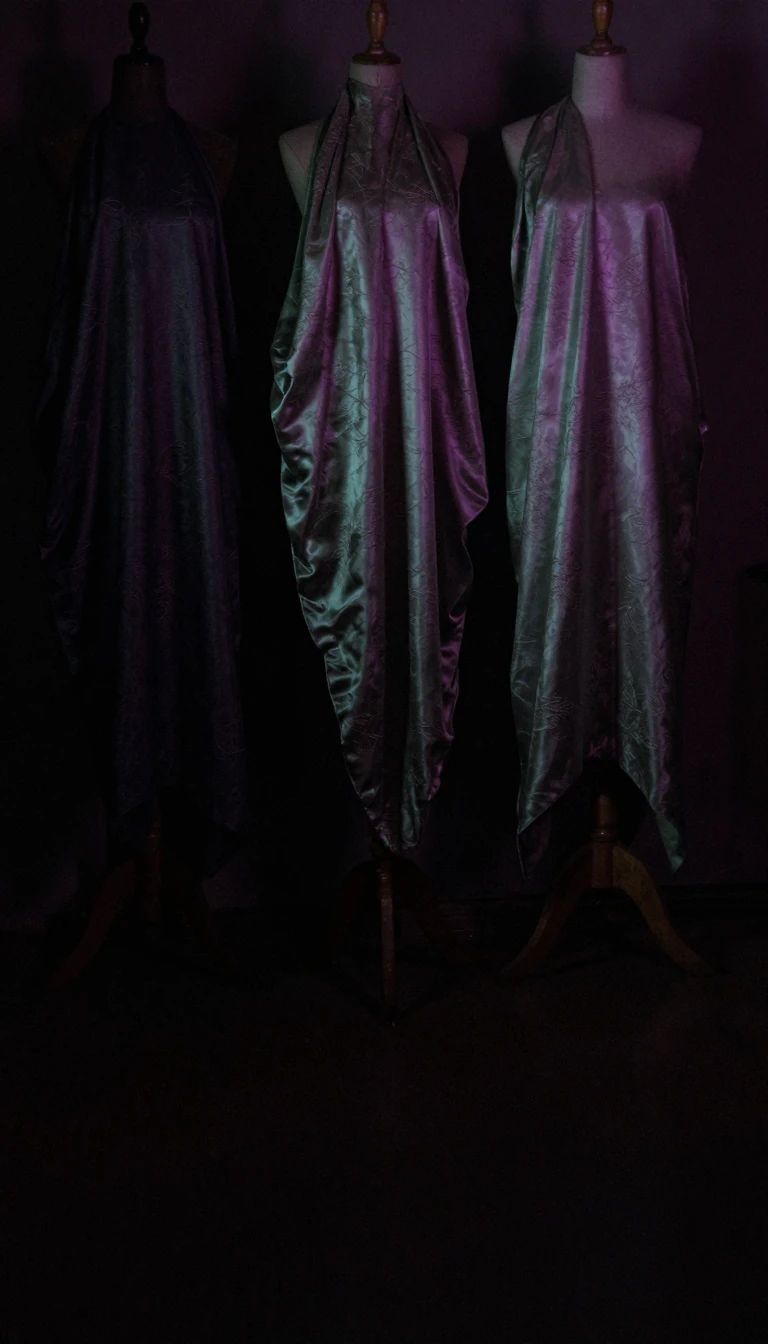
In short: Tracing its lineage to Central Asian nomadic garments, the kurta has transformed from a functional, collarless tunic into a versatile icon of South Asian style. Whether crafted from simple cotton or intricate silk, this rectangular-cut shirt remains a testament to how traditional attire adapts to contemporary life and global fashion.
The kurta's history is a story of cultural migration and adaptation. Stitched attire entered South Asia in waves, beginning with Scythian, Parthian, and Kushan invasions in the late ancient period. However, the garment truly flourished following the Muslim conquests of the late 12th century, eventually becoming common attire during the early modern era. Visual evidence from the Ghaznavid period, specifically wall paintings in Lashkari Bazaar, Afghanistan, depicts palace guards wearing the qaba—a mid-calf tunic with long, narrow sleeves and a left-shoulder closure, a structural detail that persists in some modern Indian kurtas today.
Structurally, the traditional kurta is a marvel of efficiency. It is composed of rectangular fabric pieces cut to leave virtually no waste. Its defining characteristics include straight, non-narrowing sleeves, a collarless neckline, and side seams left open at the bottom—a feature known as the chāk—to facilitate movement. While traditionally worn with pajamas, shalwars, or churidars, the garment has proven remarkably flexible. Today, it is frequently paired with jeans, a trend that reflects its integration into global urban wardrobes.
Regional variations highlight the kurta's stylistic diversity. The Bhopali kurta flows like a skirt with waist pleats, while the Hyderabadi style is a short, waist-length top often associated with royal households. In contrast, the Lucknowi kurta is celebrated for its elaborate Chikan embroidery. Modern iterations, such as the slim-fitting Muktsari kurta, demonstrate the garment's ongoing evolution. Beyond its aesthetic appeal, the kurta holds social significance; in 2014, a Mumbai family court ruled that a husband forcing his wife to abandon her kurta and jeans in favor of a sari constituted legal grounds for divorce due to cruelty.
Opens the Intellect+ feed with this card first. Swipe up for the next one.
Sources
- Summary by Intellect · source: Kurta
To cite this card, link to https://intellectplus.co.uk/app/history-kurta.
How we source, check and correct cards: Editorial standards.
General information, not professional advice. Spotted an error? Flag the card or see corrections and complaints.
Intellect Plus is a visual educational discovery platform for exploring fascinating facts and ideas. Brain Food, Not Brain Rot. What is Intellect Plus?
Related
More in Prehistory · More in History · Latest · A–Z · All topics
