The unstitched cloth that once defined an empire's identity
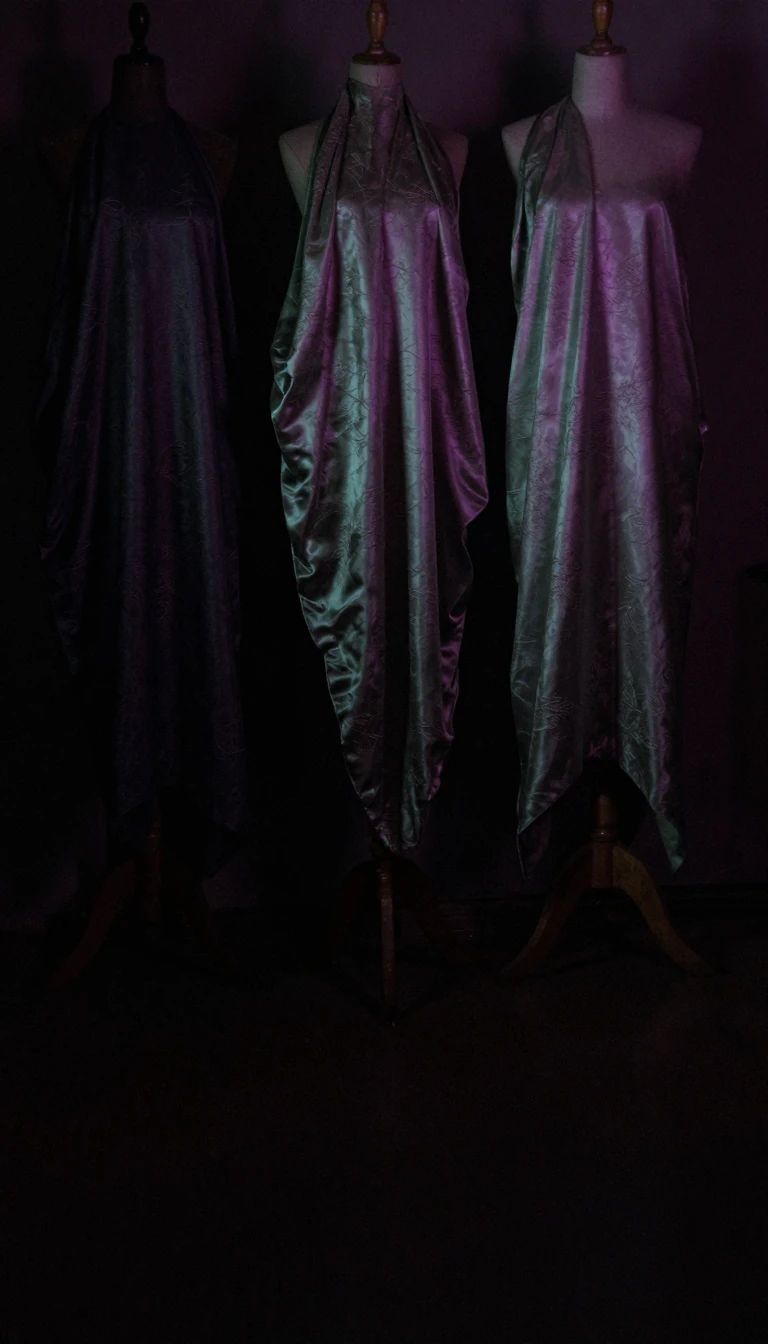
In short: Long before the arrival of tailored trousers, the Indian subcontinent relied on a single, versatile rectangular cloth. From the Mauryan Empire to the height of the independence movement, the dhoti has been more than just clothing; it has been a symbol of resistance, ritual purity, and social status.
The dhoti is an ankle-length breechcloth fashioned from an unstitched rectangular piece of fabric, typically around 4 yards in length. Its origins lie in the ancient 'antariya', a garment passed between the legs and tucked at the back. Over centuries, this evolved into various styles, such as the 'sakaccha'—where the cloth is tucked behind the legs—and the 'vikaccha', a style more similar to a lungi. While modern 'dhoti pants' are a new ready-to-wear trend, the traditional version requires a specific wrapping technique to resemble trousers.
Historically, the garment's form has shifted alongside political tides. While the arrival of Persians, Greeks, and other groups introduced stitched garments to the region, the dhoti endured. During the British colonial era, the dhoti became a potent symbol of national resistance. In 1921, Mahatma Gandhi championed the wearing of the dhoti, often without a shirt, to align himself with the rural poor and promote the 'swadeshi' movement's focus on local handicrafts like khadi.
The garment also carries deep religious significance. In certain South Indian temples, men may enter topless, as stitched clothing is believed to counter the energy of the idol. For conservative Jain men, the unstitched 'pancha' is preferred for rituals because it is viewed as less permeable to pollution. Despite its historical prominence, the dhoti's use has declined in urban centers like Mumbai, where English attire is often seen as 'caste neutral,' though it remains a vital part of rural and religious life.
Opens the Intellect+ feed with this card first. Swipe up for the next one.
Sources
- Summary by Intellect · source: Dhoti
- Also: www.britannica.com — Dhoti | Traditional, Indian Clothing, Unisex | Britannica
To cite this card, link to https://intellectplus.co.uk/app/culture-dhoti.
How we source, check and correct cards: Editorial standards.
General information, not professional advice. Spotted an error? Flag the card or see corrections and complaints.
Intellect Plus is a visual educational discovery platform for exploring fascinating facts and ideas. Brain Food, Not Brain Rot. What is Intellect Plus?
Related
More in Clothing and fashion · More in Cultures · Latest · A–Z · All topics
