How a 13th-century arrival redefined the fashion of South Asia
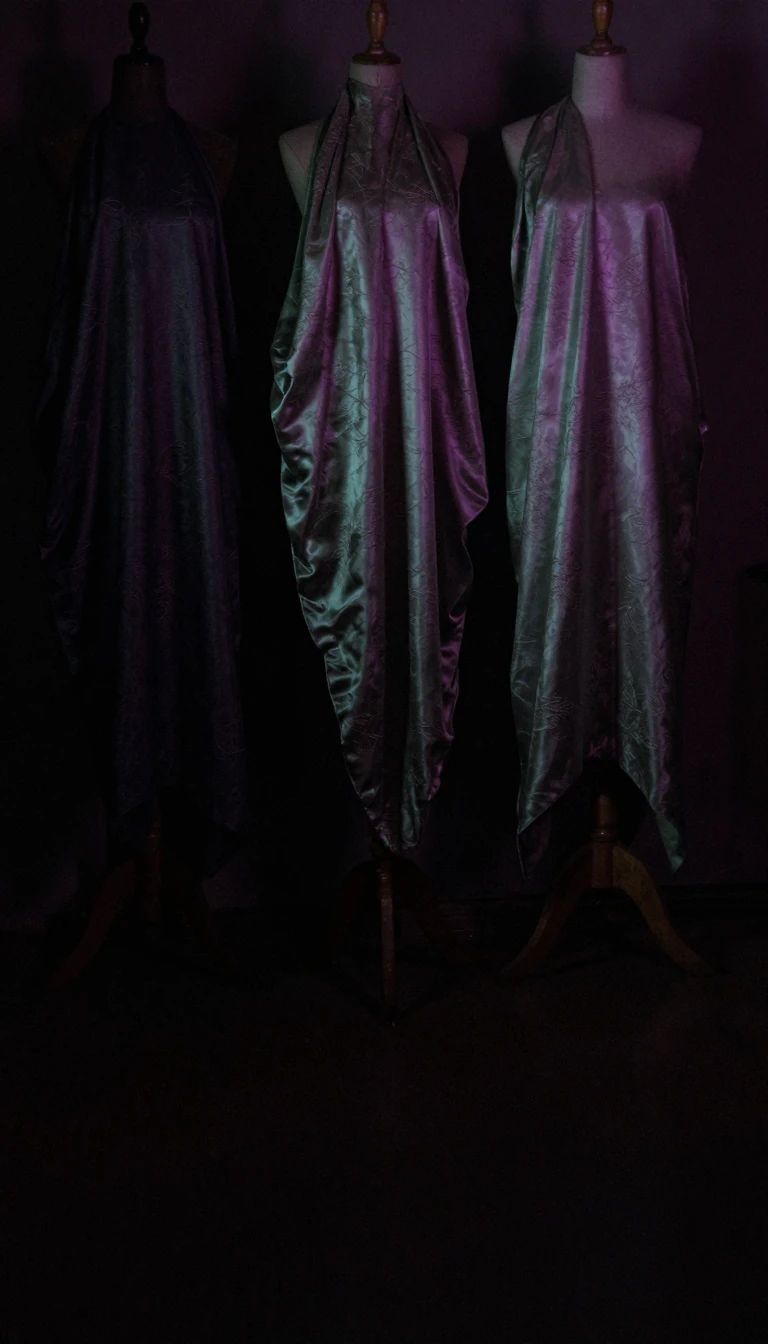
In short: What began as the attire of arriving Muslim women in the 13th century has evolved into a national identity. From the voluminous, pleated trousers of the Punjab to the heavy, gold-threaded fabrics of Bahawalpur, the shalwar kameez is a masterclass in regional adaptation and historical continuity.
The origins of the shalwar kameez in South Asia trace back to the 13th century, introduced by Muslim populations arriving in the north. While initially worn by women, the style gradually expanded across the region, particularly within the historical Punjab. Today, it serves as the national dress of Pakistan and remains a staple for men and women in Afghanistan, as well as across various parts of India.
The garment's architecture is defined by functionality and regional flair. The 'shalwar' consists of trousers that are typically wide at the waist and taper toward a cuffed bottom, held by a drawstring or elastic. The 'kameez' is a tunic or long shirt, often featuring 'chaak'—side seams left open below the waistline to allow for greater movement. Over centuries, these components have been adapted into diverse local iterations, such as the 'Patiala salwar' with its many folds or the 'Peshawari shalwar' which is exceptionally loose.
Regional variations reveal a complex tapestry of textile history. In Balochistan, traditional male versions once utilized up to 40 yards of cloth, whereas the Bahawalpuri style utilizes 'Sufi' fabric, a luxurious blend of cotton warp and silk weft often accented with gold threads. In Sindh, the 'Kancha' style features wider ankles, while the 'Suthan' remains a common variation. Even modern iterations reflect global influences, with contemporary kameez often adopting European-inspired set-in sleeves or collars.
Beyond mere clothing, the ensemble often incorporates the 'dupatta', a long scarf used for modesty or ritual. For Muslim women, it serves as a lighter alternative to the burqa, while for Hindu and Sikh women, it is essential for covering the head in temples or in the presence of elders. This blend of utility, social signaling, and regional pride ensures the garment's enduring relevance across borders.
Opens the Intellect+ feed with this card first. Swipe up for the next one.
Sources
- Summary by Intellect · source: Shalwar kameez
To cite this card, link to https://intellectplus.co.uk/app/culture-shalwar-kameez.
How we source, check and correct cards: Editorial standards.
General information, not professional advice. Spotted an error? Flag the card or see corrections and complaints.
Intellect Plus is a visual educational discovery platform for exploring fascinating facts and ideas. Brain Food, Not Brain Rot. What is Intellect Plus?
Related
More in Traditions & customs · More in Cultures · Latest · A–Z · All topics
