When Kuwait’s oil fields burned, experts feared a global climate catastrophe that never arrived.
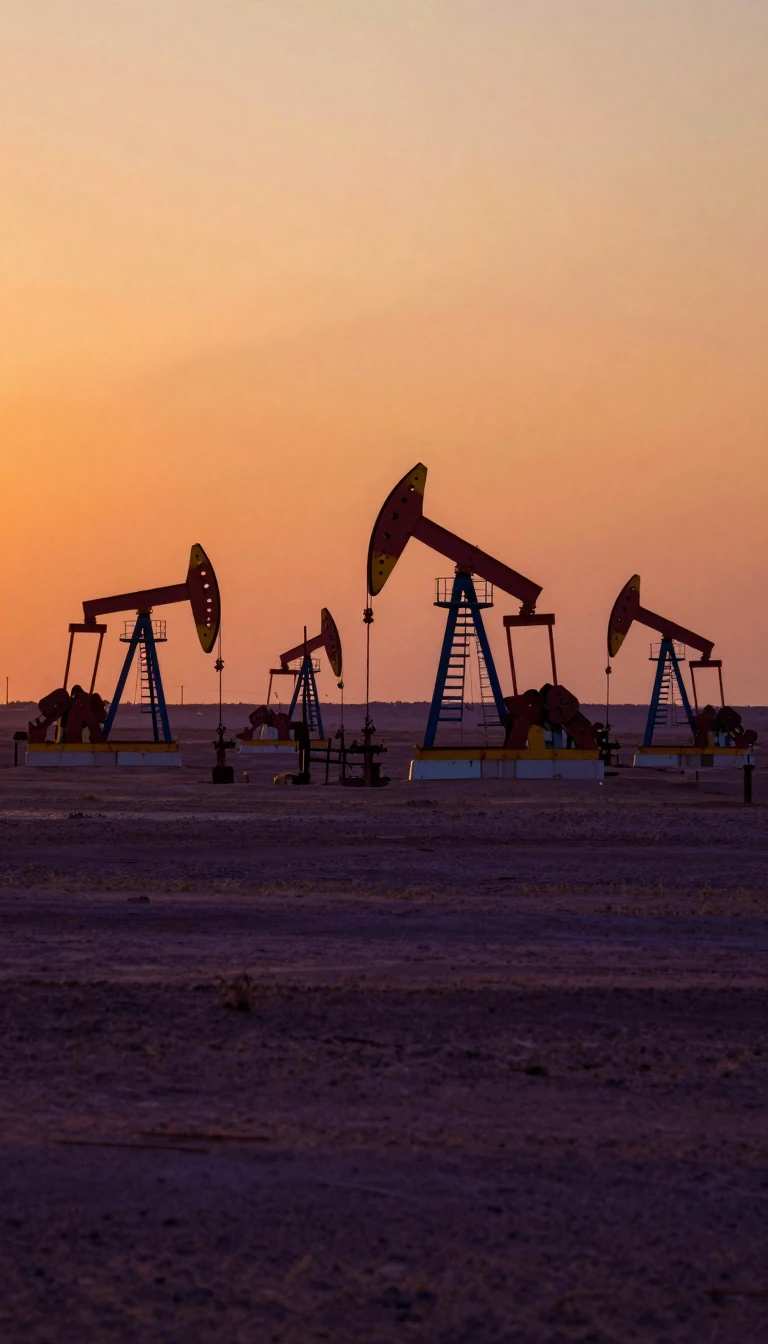
In short: In 1991, retreating Iraqi forces ignited hundreds of Kuwaiti oil wells, creating a regional environmental nightmare. As smoke choked the skies, prominent scientists warned of a nuclear winter-like cooling effect across the Northern Hemisphere. The reality was far more localized, yet the cleanup required an unprecedented engineering feat.
The sabotage began in January 1991 as Iraqi forces retreated from Kuwait. By the time the last well was capped on November 6, 1991, between 605 and 732 wells had been set ablaze. The fires were a calculated military tactic: Iraq hoped the thick, black smoke would serve as a screen against Coalition airstrikes and precision-guided weapons, while also creating a formidable area-denial obstacle. Beyond the fires, engineers released oil into trenches and lakes to impede ground movement, resulting in approximately 300 oil lakes that contaminated 40 million tons of earth and formed hardened 'tarcrete' across five percent of Kuwait's land.
As the fires raged, the global scientific community debated the atmospheric consequences. In January 1991, researchers including Carl Sagan predicted that soot would loft into the stratosphere, causing global cooling similar to the 1815 eruption of Tambora. These models suggested temperatures could drop by 5–10 degrees Celsius. However, these predictions failed to materialize. The smoke plumes generally rose only to 10,000 feet, rarely reaching the 43,000-foot threshold required for stratospheric impact. Instead of a global climate shift, the disaster remained a regional crisis, causing severe respiratory issues and 'oil rain' across the Arabian Peninsula.
Extinguishing the fires was a monumental challenge, costing Kuwait US$1.5 billion. Privately contracted crews, who dubbed their work 'Operation Desert Hell,' faced minefields and extreme heat. While some used high explosives to blast flames away from wellheads, 90% of the fires were extinguished using seawater pumped through reversed oil pipelines. A Hungarian team even utilized a converted T-34 tank mounted with two MiG-21 jet engines to blast out fires. By the time the final well was sealed, the fires had consumed roughly one billion barrels of oil, a stark reminder of the environmental costs of modern conflict.
Opens the Intellect+ feed with this card first. Swipe up for the next one.
Sources
- Summary by Intellect · source: Kuwaiti oil fires
To cite this card, link to https://intellectplus.co.uk/app/history-kuwaiti-oil-fires.
How we source, check and correct cards: Editorial standards.
General information, not professional advice. Spotted an error? Flag the card or see corrections and complaints.
Intellect Plus is a visual educational discovery platform for exploring fascinating facts and ideas. Brain Food, Not Brain Rot. What is Intellect Plus?
Related
More in Contemporary (1945-) · More in History · Latest · A–Z · All topics
