Before Hollywood became a global icon, a quiet California town nearly claimed the title.
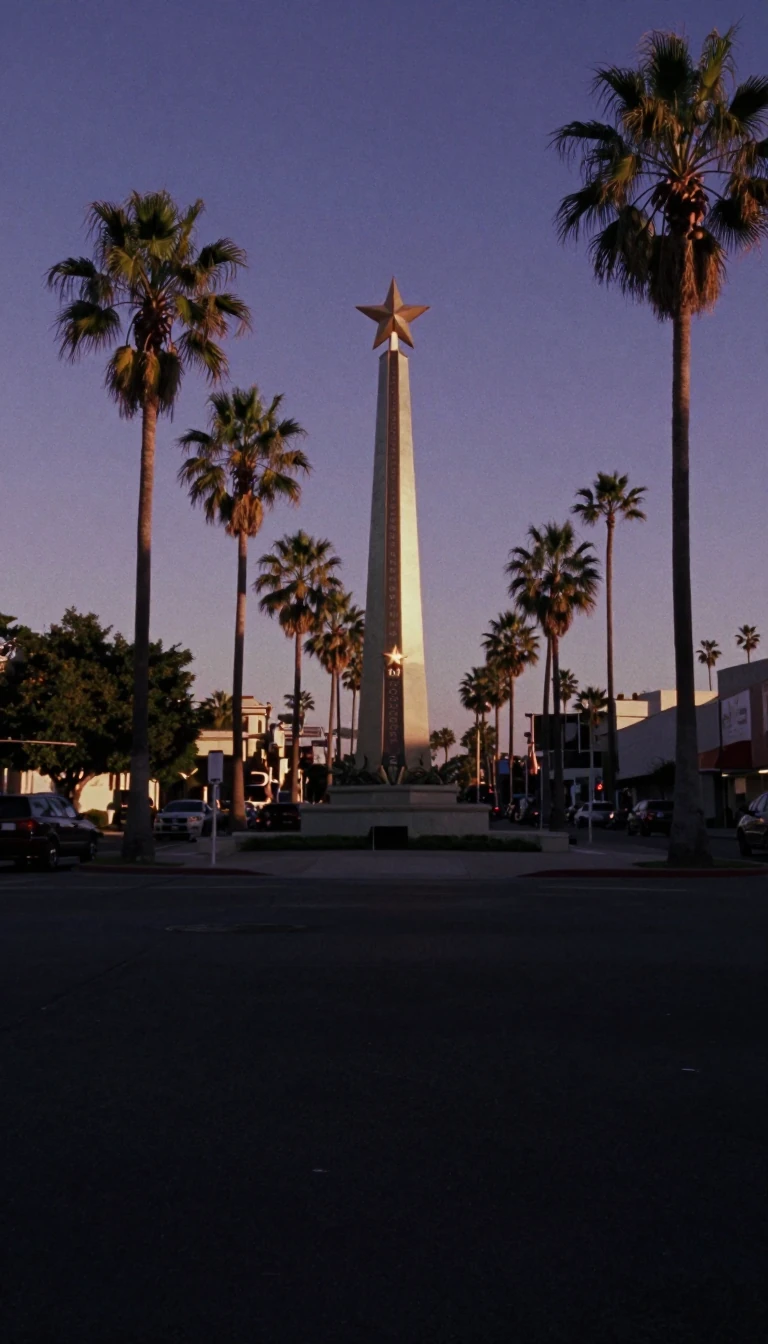
In short: Long before the industry centered in Los Angeles, film pioneer Allan Dwan launched his career in La Mesa. Between 1911 and 1912, he directed over 150 silent films there. Had he stayed, this city of hills might have become the world's primary cinematic capital instead of a suburban neighbor.
La Mesa, whose name translates to 'the table' or 'the plateau,' has a history defined by shifting identities. Originally home to the Kumeyaay people, the land was later integrated into the Mission San Diego de Alcalá. By the late 19th century, the area’s natural springs became a focal point for development. In 1868, stockman Robert Allison purchased 4,000 acres from the heirs of Santiago Arguello, the former commandant of the Presidio of San Diego. These springs, later renamed La Mesa Springs, remain a symbolic anchor for the city, commemorated today by Spring Street and a preserved spring house in Collier Park.
The city’s brief flirtation with cinematic fame occurred when Allan Dwan utilized the region as a backdrop for Flying A Studios. Dwan’s prolific output included titles like 'The Winning of La Mesa' and 'The Bandit of Point Loma,' which frequently highlighted local landmarks. When Dwan relocated to Los Angeles, the opportunity for La Mesa to establish itself as the center of the film industry vanished. This transition marked a shift toward the suburban character the city maintains today, governed by a council-manager system that oversees a population of over 61,000 residents.
Modern La Mesa balances its historical roots with contemporary civic life. The city hosts annual traditions like the Flag Day Parade, inaugurated in 1997, and the 'Walkway of the Stars,' which honors volunteers who have contributed at least 10,000 hours of service. However, the city has also faced significant challenges, including civil unrest in 2020 following the murder of George Floyd. These events, which saw protests and property damage, highlighted deep-seated tensions within the community. Today, the city continues to evolve, with redevelopment projects like the modernization of the 925,000 square-foot Grossmont Center shopping mall signaling ongoing efforts to adapt to the changing economic landscape of Southern California.
Opens the Intellect+ feed with this card first. Swipe up for the next one.
Sources
- Summary by Intellect · source: La Mesa, California
To cite this card, link to https://intellectplus.co.uk/app/history-la-mesa-california.
How we source, check and correct cards: Editorial standards.
General information, not professional advice. Spotted an error? Flag the card or see corrections and complaints.
Intellect Plus is a visual educational discovery platform for exploring fascinating facts and ideas. Brain Food, Not Brain Rot. What is Intellect Plus?
Related
More in Explorers · More in History · Latest · A–Z · All topics
