Mexico City was built on a lake that once spanned over two thousand square miles.
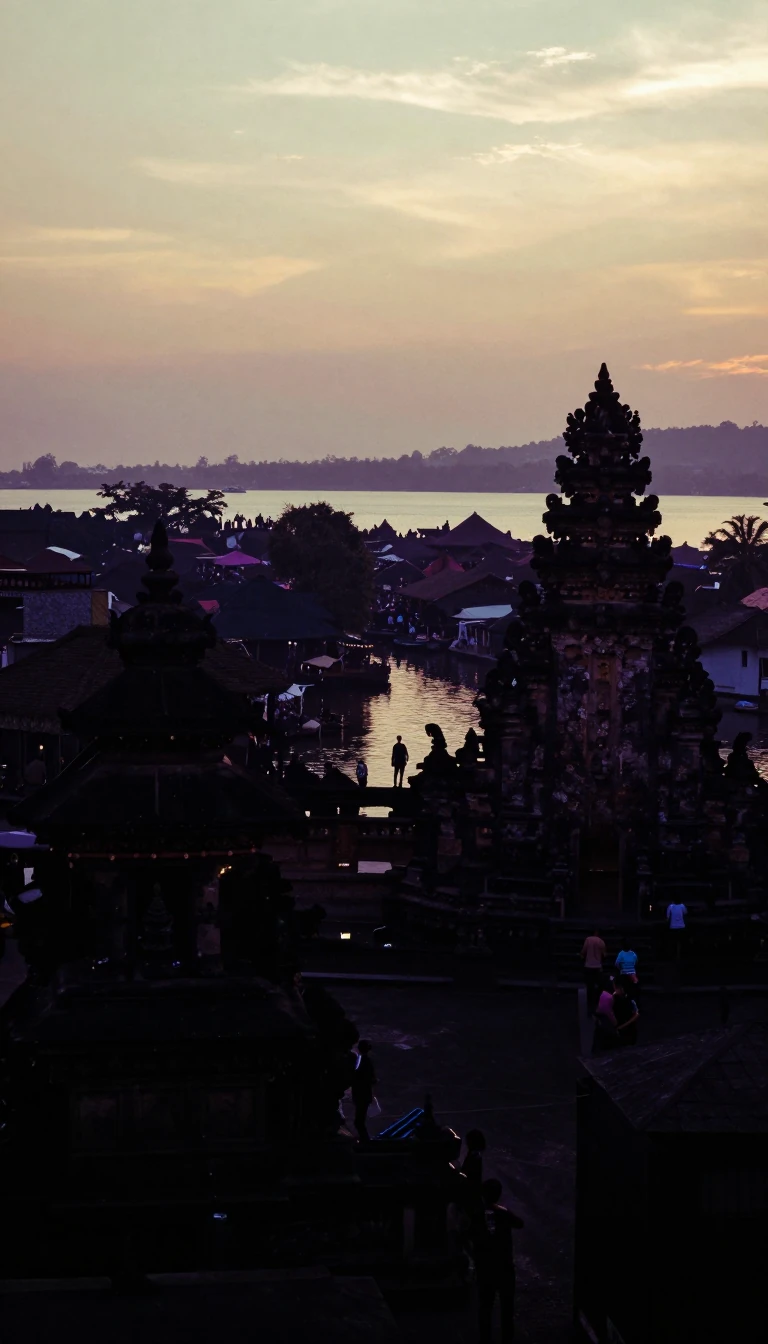
In short: Before it became a sprawling metropolis, the Valley of Mexico was dominated by a vast, shifting lake system. Today, the remnants of Lake Texcoco are largely gone, drained by centuries of engineering efforts that transformed an aquatic landscape into a sinking urban center plagued by water scarcity and seismic vulnerability.
Eleven thousand years ago, Lake Texcoco was a massive body of water reaching depths of over 500 feet. As the climate warmed, the lake receded, eventually forming a chain of interconnected basins. By the Late Postclassic period, between 1200 and 1521 CE, indigenous civilizations had begun managing these waters with complex dikes and causeways. The Mexica, in particular, founded their capital, Tenochtitlan, on an islet in 1325, engineering artificial islands and sophisticated water-control systems to separate saline lake water from fresh mountain runoff.
The Spanish conquest in 1521 marked a turning point. When Hernán Cortés destroyed the Aztec dams, the delicate balance of the basin was shattered, leading to catastrophic flooding in the newly established Mexico City. For centuries, authorities struggled to manage the water, culminating in the 1967 completion of the Drenaje Profundo, a massive network of tunnels designed to carry rainwater out of the closed, endorheic basin. The most recent addition, an eastern discharge tunnel, was inaugurated in 2019.
The environmental cost of this transformation has been severe. The drainage of the lakebed turned the region semi-arid, contributing to chronic water shortages. Furthermore, because Mexico City sits on soft, ancient lake sediments, the city is prone to soil liquefaction during earthquakes, a danger highlighted by the 1985 disaster. The city is also literally sinking; groundwater extraction from the underlying aquifer has caused the ground to subside by an estimated 10 meters over the last century. Today, the once-mighty lake is reduced to salt marshes and small remnants, while endemic species like the axolotl face extinction.
Opens the Intellect+ feed with this card first. Swipe up for the next one.
Sources
- Summary by Intellect · source: Lake Texcoco
To cite this card, link to https://intellectplus.co.uk/app/history-lake-texcoco.
How we source, check and correct cards: Editorial standards.
General information, not professional advice. Spotted an error? Flag the card or see corrections and complaints.
Intellect Plus is a visual educational discovery platform for exploring fascinating facts and ideas. Brain Food, Not Brain Rot. What is Intellect Plus?
Related
More in History by subject matter · More in History · Latest · A–Z · All topics
