Lake Pátzcuaro is a shrinking volcanic relic of a once-connected Mexican hydrological system
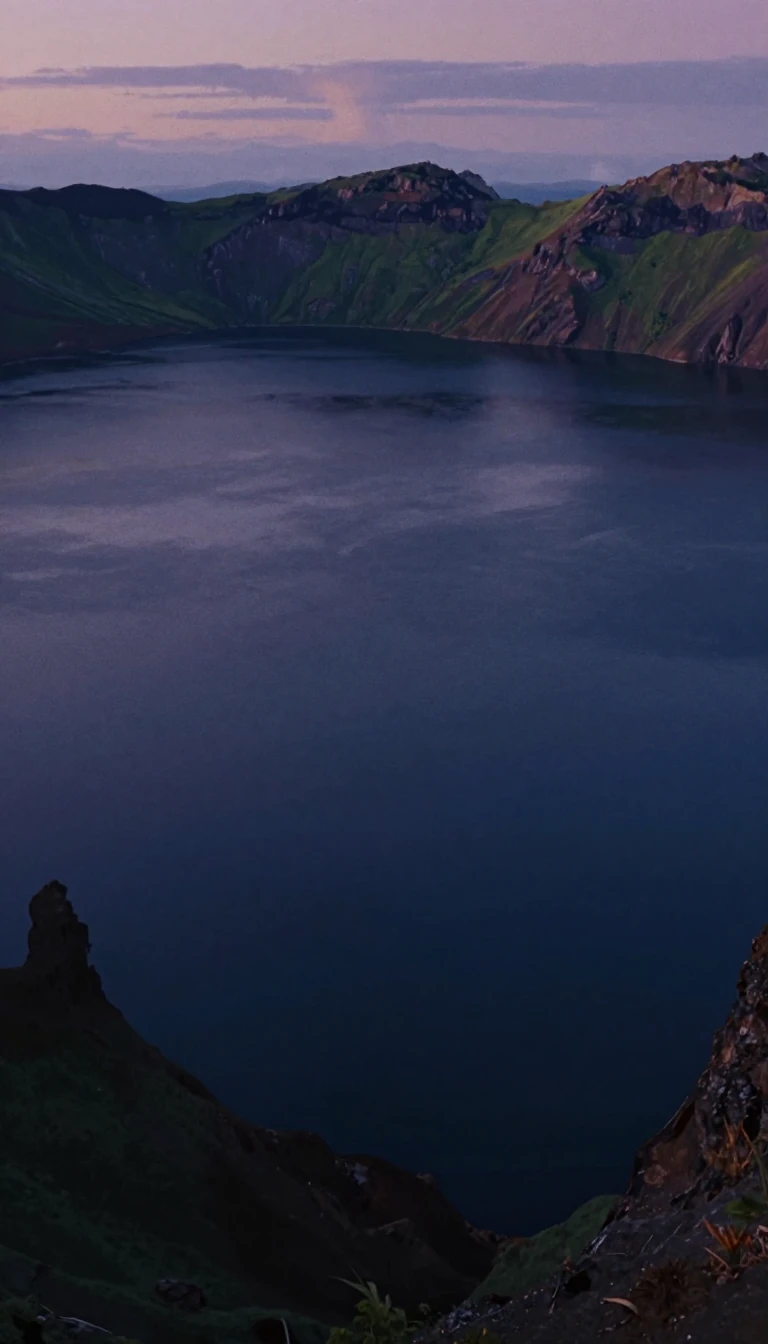
In short: High in the volcanic mountains of Michoacán, Mexico, lies an endorheic basin that once drained into the Lerma River. Today, Lake Pátzcuaro is a closed, shrinking ecosystem. Despite decades of study and billions in investment, this ancestral heartland of the Purépecha people faces severe environmental degradation and persistent local poverty.
Formed by volcanic activity, Lake Pátzcuaro sits at an elevation of 2,035 meters. Historically, it was part of a continuous hydrological network alongside Lake Cuitzeo and Lake Zirahuén, all of which once fed the Lerma River. While ecologists now classify it as a sub-basin of the Lerma-Chapala system, the lake itself is endorheic, meaning it does not drain to the sea. Its surrounding landscape is defined by steep volcanic slopes and diverse vegetation, ranging from xeric scrub at lower elevations to dense pine-oak forests on the higher peaks.
The basin is a critical biodiversity hotspot, hosting nearly 200 bird species and several endemic animals, including the Lake Pátzcuaro salamander and the dwarf crayfish. Its extensive wetlands, designated as a Ramsar site in 2005, are dominated by dense stands of reedy vegetation. However, the last 50 years have seen intense human pressure. Logging, agricultural expansion, and urbanization have led to the loss of over 10,000 hectares of forest. This activity has caused significant siltation, with the lake bed rising by one centimeter annually, and a reduction in water depth by 2.6 meters.
The region is also the historic center of the Tarascan state, which once rivaled the Aztec Empire. Sites like Tzintzuntzan, Ihuatzio, and Pátzcuaro remain culturally significant. Despite this heritage, the modern reality is stark. Members of the Supreme Indigenous Council of Michoacán have criticized the lack of effective coordination in conservation efforts, noting that while 2,300 studies have been conducted since 1934 and billions of pesos spent since 2006, poverty rates in the surrounding municipalities remain extremely high. The lake continues to struggle against the combined threats of untreated sewage, chemical pollution, and the introduction of exotic species.
Opens the Intellect+ feed with this card first. Swipe up for the next one.
Sources
- Summary by Intellect · source: Lake Pátzcuaro
- Also: Wikidata — Lake Pátzcuaro · CC0
- Also: Wikidata — Lake Pátzcuaro · CC0
To cite this card, link to https://intellectplus.co.uk/app/places-lake-p-tzcuaro.
How we source, check and correct cards: Editorial standards.
General information, not professional advice. Spotted an error? Flag the card or see corrections and complaints.
Intellect Plus is a visual educational discovery platform for exploring fascinating facts and ideas. Brain Food, Not Brain Rot. What is Intellect Plus?
Related
More in Bodies of water · More in Countries & Cities · Latest · A–Z · All topics
