Mallorca was once a battleground for empires, from the Vandals to the Spanish Bourbons.
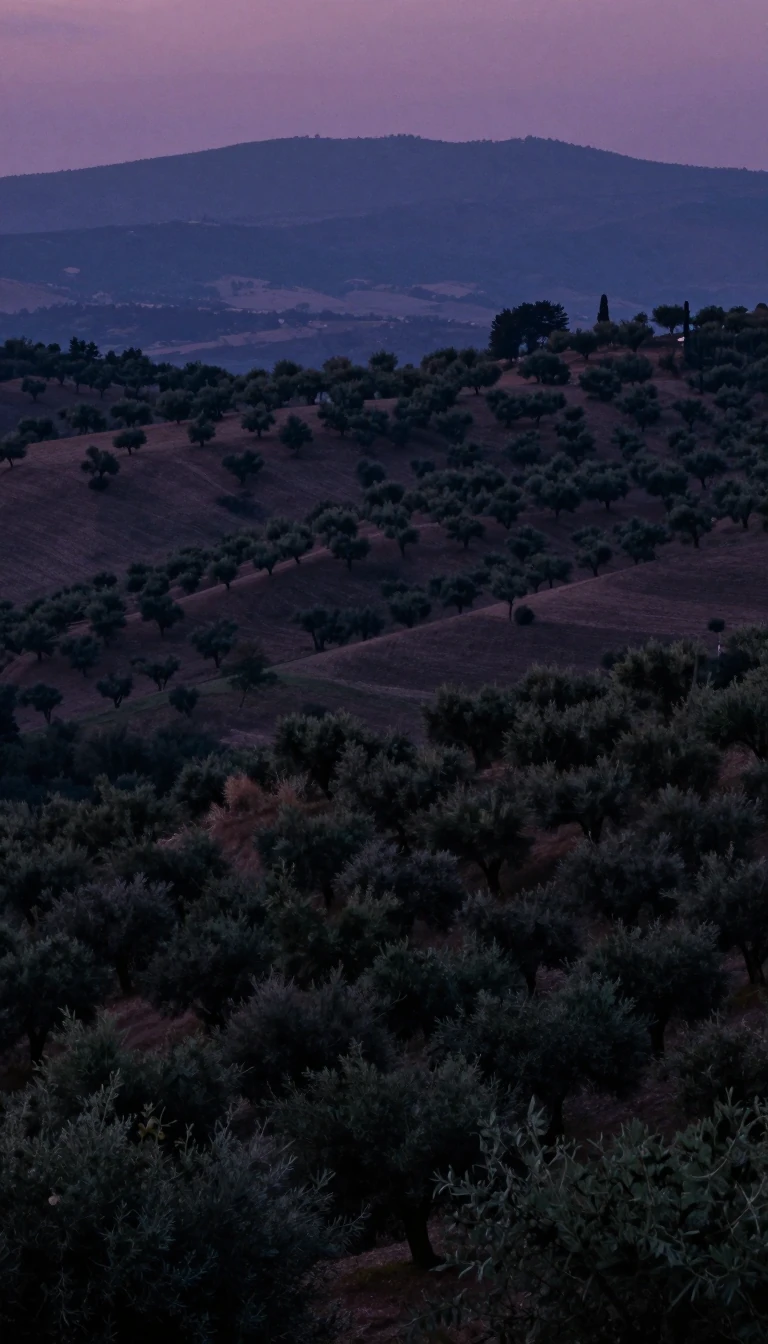
In short: Before it became a Mediterranean holiday destination, Mallorca served as a strategic prize for shifting powers. Over centuries, the island endured Vandal raids, Byzantine reconquest, and Moorish rule, eventually becoming a central piece in the dynastic struggles that shaped modern Spain. Its history is as rugged as its limestone peaks.
Mallorca’s history is defined by its position as a Mediterranean crossroads. In 427, the Vandals, led by Gunderic and Geiseric, seized the island, using it as a base for maritime plunder until Roman authority returned in 465. By 534, the Eastern Roman Empire recaptured the territory, fostering a period where Christianity flourished. However, the island’s vulnerability to North African raids persisted, eventually leading to its conquest in 902 by Issam al-Khawlani, who integrated it into the Emirate of Córdoba.
Under Muslim rule, the island—known as Medina Mayurqa—saw significant agricultural and industrial development. This era ended in 1229 when King James I of Aragon launched a massive invasion, landing 15,000 men and 1,500 horses at Santa Ponça. By the end of that year, his forces had captured the capital. The island was subsequently annexed to the Crown of Aragon as Regnum Maioricae, marking a shift toward Christian governance that would eventually align with the broader Spanish monarchy.
The island’s political status remained volatile. During the War of the Spanish Succession, Mallorca was the final holdout, capitulating to a Bourbon fleet on July 2, 1715. The following year, the Nueva Planta decrees formally integrated it into the Spanish province of Baleares. Centuries later, the island remained a flashpoint; during the Spanish Civil War, Republicans attempted an amphibious landing on August 16, 1936, but were forced to retreat by September 12 due to superior Nationalist air power provided by Fascist Italy.
Today, the island’s layered past is visible in its architecture and landscape, from the Talaiotic megaliths of the Bronze Age to the UNESCO-recognized Serra de Tramuntana. While tourism now dominates the economy, the island’s history of conquest and strategic importance remains etched into its geography, serving as a reminder of its long evolution from a contested outpost to a modern autonomous region.
Opens the Intellect+ feed with this card first. Swipe up for the next one.
Sources
- Summary by Intellect · source: Mallorca
To cite this card, link to https://intellectplus.co.uk/app/history-mallorca.
How we source, check and correct cards: Editorial standards.
General information, not professional advice. Spotted an error? Flag the card or see corrections and complaints.
Intellect Plus is a visual educational discovery platform for exploring fascinating facts and ideas. Brain Food, Not Brain Rot. What is Intellect Plus?
Related
More in Post-classical · More in History · Latest · A–Z · All topics
