Cartagena: The Mediterranean port that survived empires, revolutions, and industrial collapse
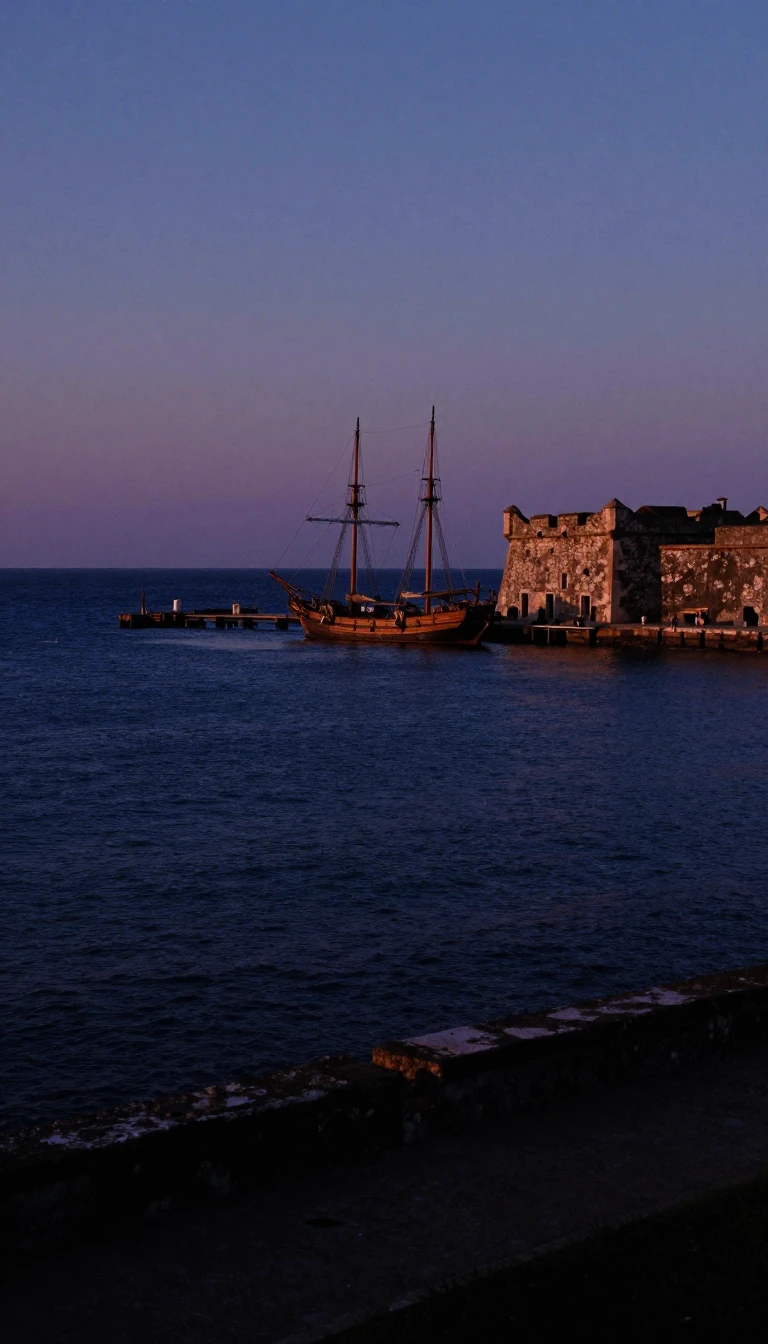
In short: Founded as a strategic Carthaginian stronghold, this Spanish city has served as a Roman capital, a Byzantine outpost, and the final Republican bastion of the Spanish Civil War. From ancient silver mines to modern naval dominance, Cartagena’s history is a relentless cycle of strategic reinvention and industrial upheaval.
Cartagena’s history is defined by its geography. Established around 227 BC by the Barcids as Qart-Hadast, the city was designed to be a stepping-off point for the conquest of Spain. Its natural harbor made it a coveted prize, leading to its transformation into the Roman capital of Carthago Nova. During the Roman era, the city flourished, fueled by silver mines that generated 25,000 drachmae daily and the production of garum and esparto grass. However, the collapse of Western Roman sovereignty triggered a long period of instability, with the city passing through the hands of Vandals, Visigoths, and Eastern Romans, eventually dwindling to a fishing village by the time of the Muslim conquest in 714 AD.
The city’s fortunes shifted dramatically under the Crown of Castile, which seized it in 1245. Despite its status as a prize of war, Cartagena remained peripheral until the 18th century, when it became the base of the Spanish Mediterranean fleet. This era of military expansion saw the population surge from approximately 10,000 to 50,000 inhabitants. The city’s strategic importance persisted into the 20th century; during the Spanish Civil War, it served as the primary stronghold for the Republican Navy, holding out against General Francisco Franco’s forces longer than any other Spanish city.
Modern Cartagena has faced significant economic volatility. Following a 19th-century mining boom in the Sierra Minera, the city became a center for the Cantonal Rebellion in 1873. By the early 1990s, however, industrial restructuring policies triggered a profound job crisis, leading to widespread protests and the burning of the regional legislature. Today, the city balances its role as a major Spanish Navy base with a rich archaeological heritage, preserving layers of Punic, Roman, Byzantine, and Moorish history alongside Art Nouveau architecture.
Opens the Intellect+ feed with this card first. Swipe up for the next one.
Sources
- Summary by Intellect · source: Cartagena, Spain
To cite this card, link to https://intellectplus.co.uk/app/history-cartagena-spain.
How we source, check and correct cards: Editorial standards.
General information, not professional advice. Spotted an error? Flag the card or see corrections and complaints.
Intellect Plus is a visual educational discovery platform for exploring fascinating facts and ideas. Brain Food, Not Brain Rot. What is Intellect Plus?
Related
More in Empires & civilisations · More in History · Latest · A–Z · All topics
