How a quiet Himalayan hill station became the heart of Tibetan culture in exile
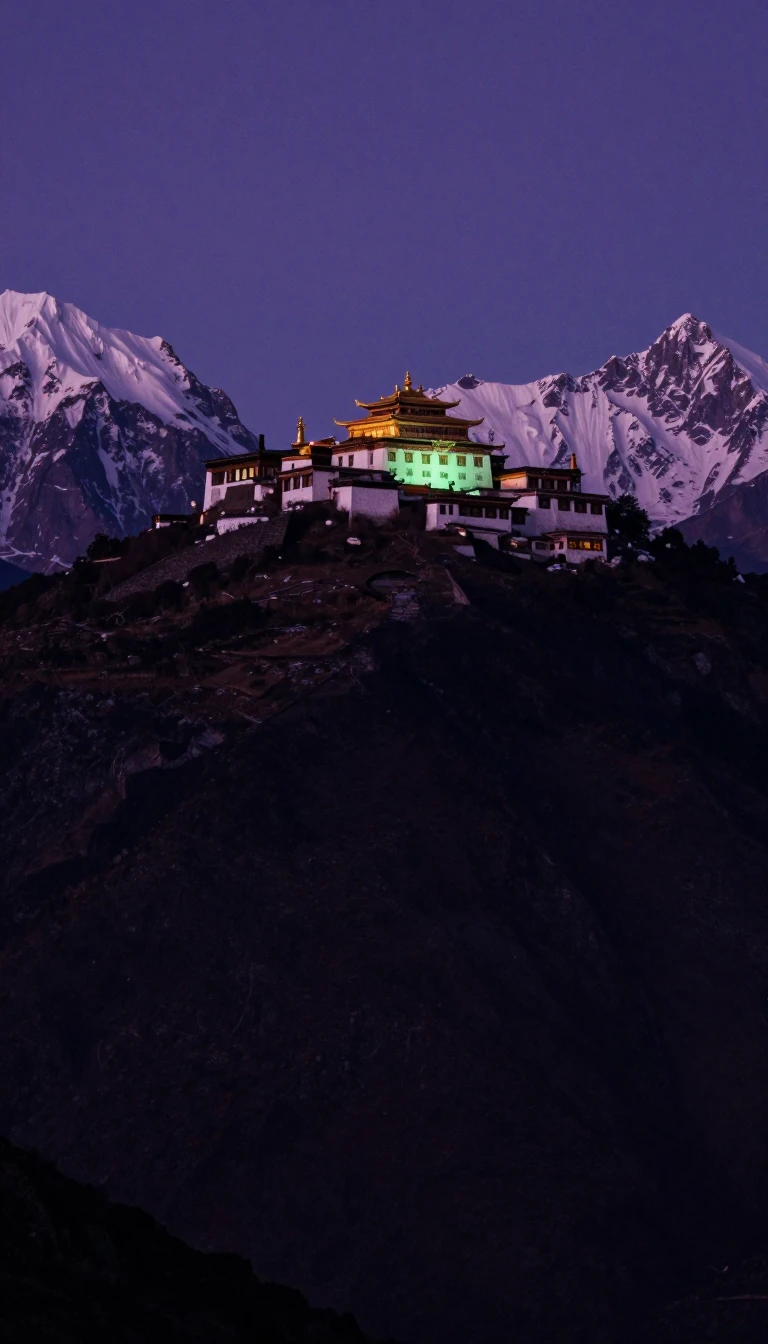
In short: Perched 2,082 meters high in the shadow of the Dhauladhar mountains, McLeod Ganj is far more than a scenic retreat. Once a British colonial cantonment, this suburb of Dharamshala transformed into Little Lhasa, serving as the permanent headquarters for the Tibetan government-in-exile and a global hub for Buddhist scholarship.
The region’s history is layered with ancient significance, appearing in texts like the Rig Veda and the Mahabharata. Long before it became a spiritual center, the area was home to the Gaddi people, a nomadic group native to the Kangra Valley. Over the centuries, the territory faced numerous invasions, from Mahmud of Ghazni in 1009 to the Mughal expansion under Akbar in 1566. By the 19th century, it had shifted through the hands of Sikh chieftains and the Gurkhas before falling under British control following the First Anglo-Sikh War in 1846.
The modern identity of McLeod Ganj was forged in the mid-20th century. After fleeing Tibet, the 14th Dalai Lama established an exile administration in 1959. With the support of Prime Minister Jawaharlal Nehru, the Central Tibetan Administration relocated to Dharamshala in 1960. This move turned a quiet hill station into a vibrant center for Tibetan identity, marked by the founding of the Namgyal Monastery and the Library of Tibetan Works and Archives in 1970. Today, the area preserves Tibetan heritage through institutions like the Norbulingka Institute and the Tibet Museum.
Beyond its political role, the region remains a complex intersection of cultures. While the Tibetan influence is dominant, remnants of the British Raj persist, such as the 1852 neo-Gothic St. John in the Wilderness church. The landscape also hosts sacred sites for the local Hindu population, including the temple of Bhagsu Nath. Whether through the annual Dharamshala International Film Festival or the rigorous trekking trails leading toward the high Ravi Valley, McLeod Ganj functions as a unique bridge between ancient Himalayan traditions and the modern global diaspora.
Opens the Intellect+ feed with this card first. Swipe up for the next one.
Sources
- Summary by Intellect · source: McLeod Ganj
To cite this card, link to https://intellectplus.co.uk/app/history-mcleod-ganj.
How we source, check and correct cards: Editorial standards.
General information, not professional advice. Spotted an error? Flag the card or see corrections and complaints.
Intellect Plus is a visual educational discovery platform for exploring fascinating facts and ideas. Brain Food, Not Brain Rot. What is Intellect Plus?
Related
More in Post-classical · More in History · Latest · A–Z · All topics
