The Minoan eruption remains a chronological puzzle that continues to divide modern scientific experts.
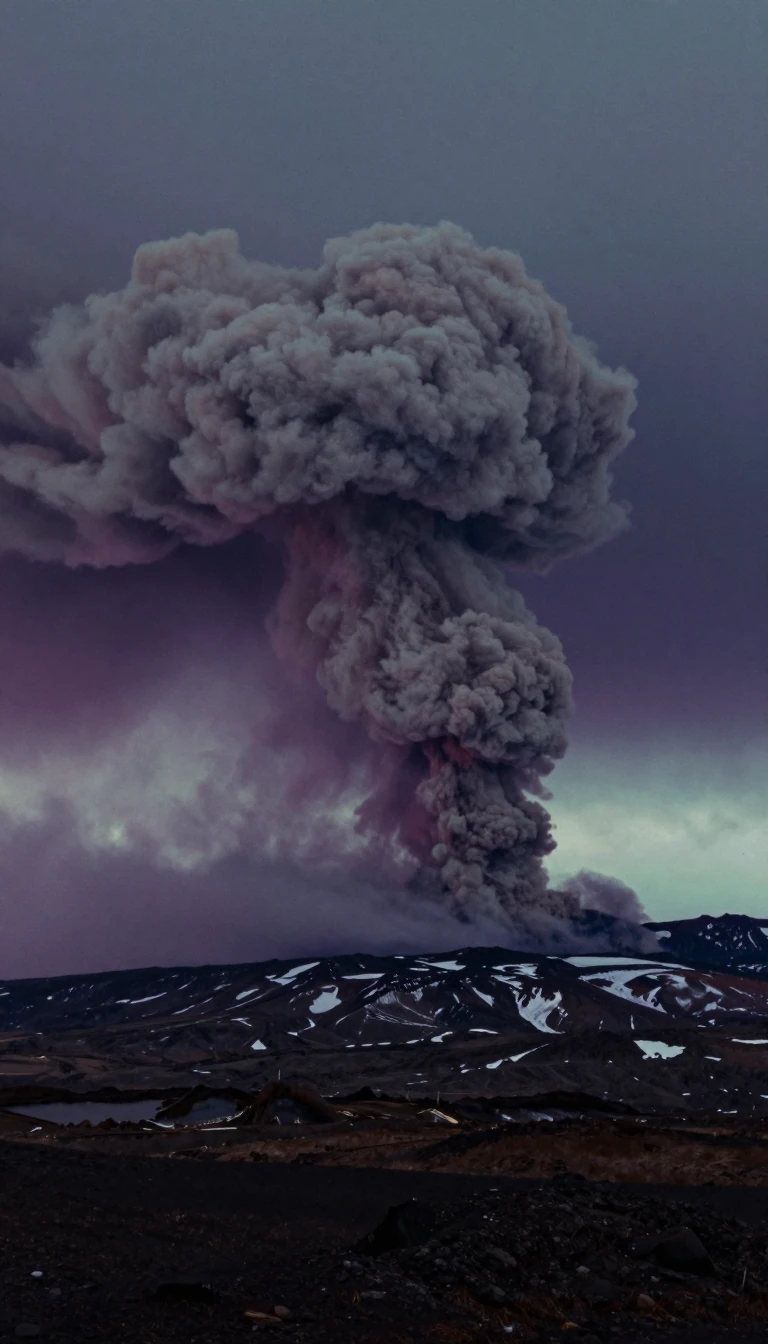
In short: Around 1600 BC, a massive volcanic event on Thera reshaped the Aegean, burying the settlement of Akrotiri and triggering devastating tsunamis. Despite its scale, the precise timing of this cataclysm remains fiercely contested, as archaeological evidence and radiocarbon dating methods frequently clash, leaving the exact year of the disaster unresolved.
The Minoan eruption was a colossal event, ejecting an estimated 28–41 cubic kilometers of material. Geological history reveals the Thera volcano operated in a cyclical pattern: violent eruptions followed by caldera collapse and slow magma refilling. Before the final cataclysm, the caldera formed a near-continuous ring of islands. The eruption itself, classified as Plinian, sent a column of ash 30 to 35 kilometers into the stratosphere, while phreatomagmatic blasts occurred as magma met seawater.
Archaeological dating relies on seriation, comparing artifact styles to Egyptian chronologies. Traditionally, this linked the eruption to the reign of Ahmose I, suggesting a date between 1550 and 1480 BC. However, radiocarbon dating often points to the 17th century BC. This discrepancy has sparked decades of debate. While the 2020 IntCal20 calibration curve helped bridge some gaps by shifting probable dates into the 16th century BC, it did not settle the matter. Some researchers even propose regional radiocarbon offsets, though these remain unproven.
Attempts to link the eruption to environmental markers in ice cores and tree rings have faced significant hurdles. A prominent 1627 BC frost ring and a 1644 BC sulfate spike were once attributed to Thera, but subsequent chemical analysis linked these signals to the eruption of Mount Aniakchak instead. Other potential evidence, such as the Egyptian Tempest Stele or Chinese records of the Xia dynasty's collapse, remains speculative. Whether the eruption left any detectable global climate signal at all is still an open question, as the event might not have been sufficiently disruptive to leave a clear, lasting trace in environmental records.
Opens the Intellect+ feed with this card first. Swipe up for the next one.
Sources
- Summary by Intellect · source: Minoan eruption
To cite this card, link to https://intellectplus.co.uk/app/history-minoan-eruption.
How we source, check and correct cards: Editorial standards.
General information, not professional advice. Spotted an error? Flag the card or see corrections and complaints.
Intellect Plus is a visual educational discovery platform for exploring fascinating facts and ideas. Brain Food, Not Brain Rot. What is Intellect Plus?
Related
More in Ancient · More in History · Latest · A–Z · All topics
