The Mixtec people have maintained a distinct civilization in southern Mexico for millennia.
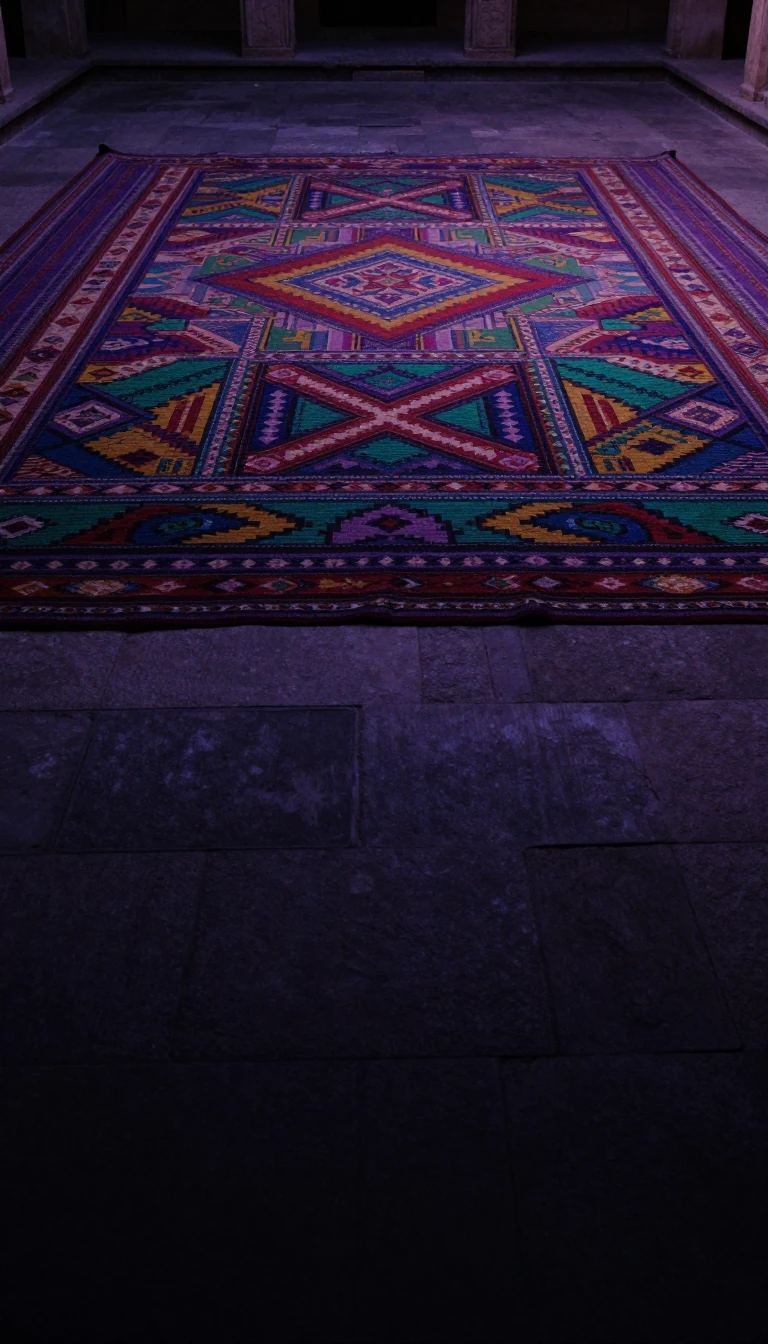
In short: Spanning the mountainous regions of Oaxaca, Guerrero, and Puebla, the Mixtec culture is one of Mesoamerica's longest-running civilizations. While modern descendants preserve ancient traditions through agriculture and intricate crafts, their history is defined by a sophisticated legacy of urban development, dynastic alliances, and resilience against powerful imperial neighbors.
The Mixtec, or Ñuu savi, meaning people of the rain, trace their origins to the Middle Preclassic period. Historically, they occupied a vast territory known as La Mixteca, a rugged landscape where they developed a high degree of civilization long before the rise of the Aztec Empire. Their social structure was characterized by complex urban centers and a network of dynastic alliances, which allowed them to navigate the shifting political landscape of Mesoamerica. This continuity was bolstered by their interactions with neighboring groups, most notably the Zapotecs, with whom they shared significant cultural traits despite increasing rivalries.
During the Postclassic period, the Mixtec faced significant pressure from the Mexica, who sought to incorporate their lands into the Aztec Empire. While some powerful states like Coixtlahuaca were eventually forced to pay tribute, others, such as the kingdom of Tututepec, maintained their independence. This period was marked by strategic military campaigns and political maneuvering, exemplified by leaders like Eight Deer Jaguar Claw, who sought to unify various states. These efforts were essential for defending their sovereignty against external incursions, creating a legacy of resistance that persisted until the arrival of the Spanish in the 16th century.
Today, the Mixtec continue to practice traditional ways of life, blending indigenous customs with nominal Christian beliefs. Many still engage in subsistence farming, cultivating maize, beans, and squash, while maintaining specialized crafts like weaving palm fibre and creating ceramics. Their spiritual life remains deeply connected to the landscape, with reverence for sacred natural features like caves and springs. This enduring connection to their heritage, combined with the preservation of traditional dress and agricultural rituals, underscores the resilience of a culture that has survived centuries of transformation and external conquest.
Opens the Intellect+ feed with this card first. Swipe up for the next one.
Sources
- Summary by Intellect · source: Mixtec | Mesoamerican, Pre-Columbian, Indigenous | Britannica
- Also: Mixtec culture
To cite this card, link to https://intellectplus.co.uk/app/history-mixtec-culture.
How we source, check and correct cards: Editorial standards.
General information, not professional advice. Spotted an error? Flag the card or see corrections and complaints.
Intellect Plus is a visual educational discovery platform for exploring fascinating facts and ideas. Brain Food, Not Brain Rot. What is Intellect Plus?
Related
More in Ancient · More in History · Latest · A–Z · All topics
