How Germany's dominant liberal party sacrificed its principles for the sake of national unity
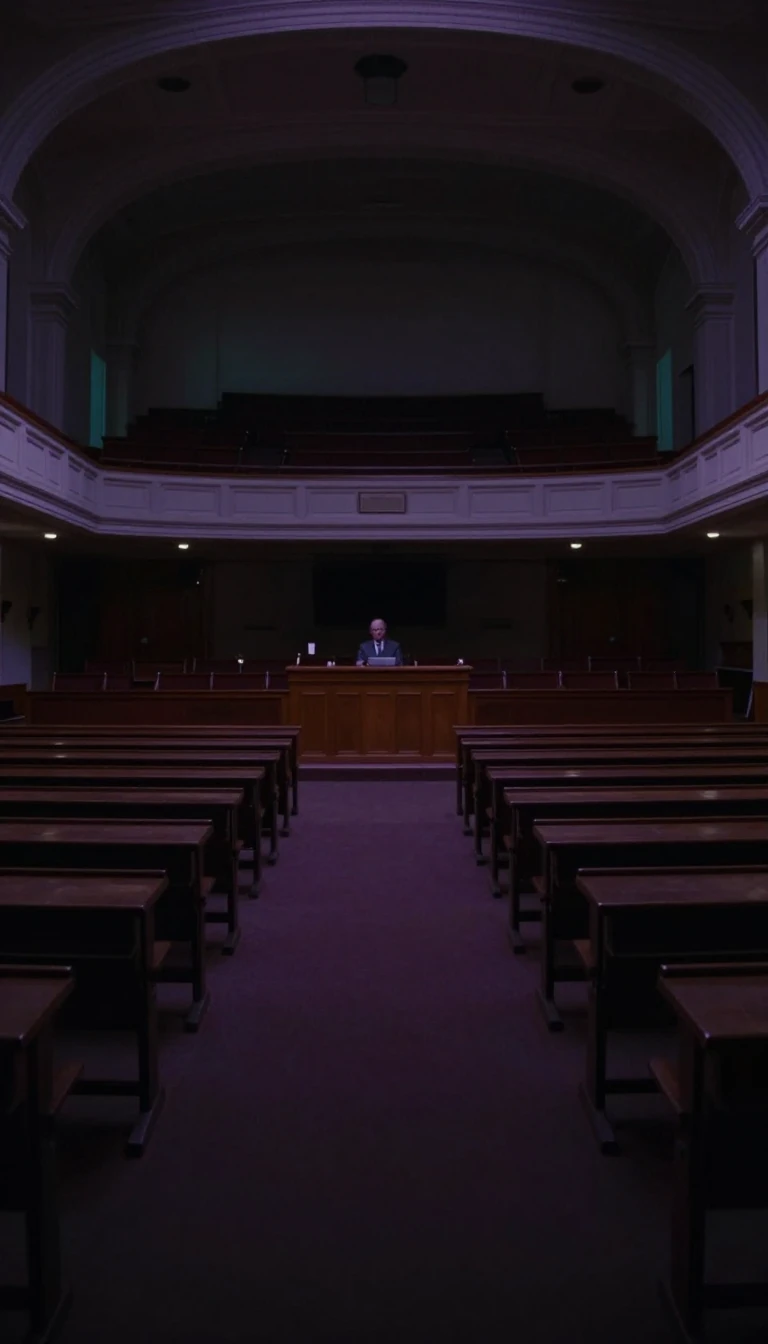
In short: The National Liberal Party was the powerhouse of the German Empire, yet it famously compromised its core values to appease Otto von Bismarck. By prioritizing national unification over civil liberties, the party helped build a modern industrial state while simultaneously sowing the seeds of its own eventual political disintegration.
Formed in 1867, the National Liberal Party emerged from a split within the German Progress Party during a constitutional crisis. When Minister President Otto von Bismarck bypassed parliament to fund military reforms, many liberals chose to reconcile with him rather than oppose his success. By supporting the 1866 Indemnity Law, these deputies accepted Bismarck’s circumvention of budgetary rights, believing that backing the state would ultimately grant them more leverage to push for freedom. This decision established the party as the dominant force in the Reichstag, representing the interests of the educated bourgeoisie and industrial magnates.
The party’s influence peaked between 1871 and 1879, as it served as the primary architect of the German Empire’s legal and economic foundations. Under the guidance of leaders like Rudolf von Bennigsen, they standardized weights and measures, established the Reichsbank, and introduced the Goldmark. However, this era was marked by deep contradictions. The National Liberals avidly supported the Kulturkampf, a campaign against the Catholic Church that historian Hajo Holborn argues violated the very liberal principles of lawful procedure and freedom they were supposed to uphold. By prioritizing a uniform national culture, they undermined the belief in the Rechtsstaat, or government by law.
The alliance with Bismarck collapsed in 1879 when the Chancellor shifted toward protectionism, abandoning free trade. This conservative turn soured relations and triggered a decline in the party's influence. By 1880, the party began to fracture, with its left wing eventually merging into other groups. As the party moved further right, it became increasingly associated with imperialist associations and big business. By the time World War I arrived, the party was deeply divided. Following the war, it dissolved entirely, with its members scattering into the German People's Party, the German Democratic Party, and the German National People's Party.
Opens the Intellect+ feed with this card first. Swipe up for the next one.
Sources
- Summary by Intellect · source: National Liberal Party (Germany)
To cite this card, link to https://intellectplus.co.uk/app/history-national-liberal-party-germany.
How we source, check and correct cards: Editorial standards.
General information, not professional advice. Spotted an error? Flag the card or see corrections and complaints.
Intellect Plus is a visual educational discovery platform for exploring fascinating facts and ideas. Brain Food, Not Brain Rot. What is Intellect Plus?
Related
More in Post-classical · More in History · Latest · A–Z · All topics
