The Natufian culture: Prehistoric innovators who brewed beer and baked bread before farming
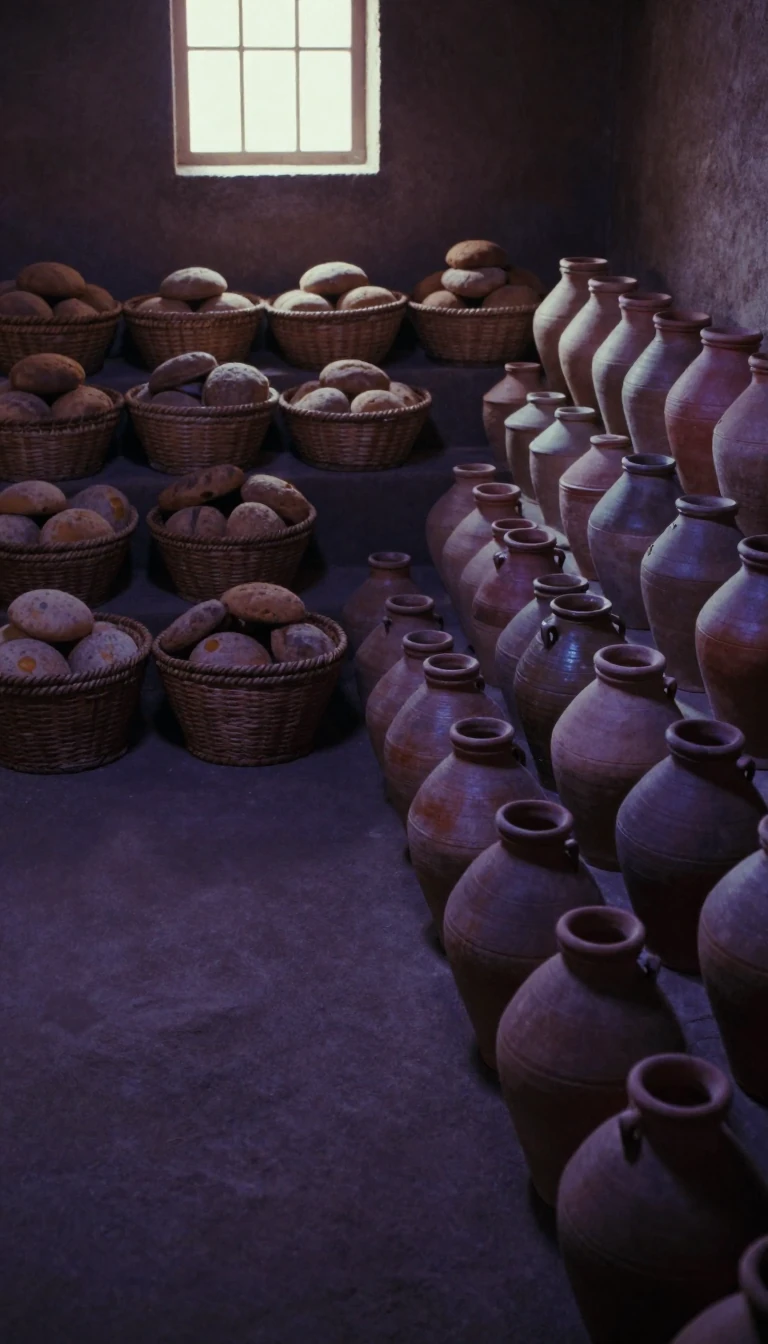
In short: Long before the dawn of agriculture, the Natufian people of the Levant established permanent settlements and complex social rituals. Flourishing between 15,000 and 9,500 BC, these hunter-gatherers engineered stone architecture, crafted intricate art, and produced the world's oldest known bread and beer, challenging our understanding of how civilization truly began.
The Natufian culture, identified by archaeologist Dorothy Garrod in the 1920s, represents a pivotal transition in human history. Occupying the Levant from the terminal Pleistocene into the early Holocene, these people were uniquely sedentary or semi-sedentary despite relying primarily on hunting gazelles and gathering wild plants. Their settlements, such as Ain Mallaha, featured sophisticated round stone structures, marking a departure from the transient camps of their predecessors. This sedentary lifestyle was supported by early food storage techniques and the use of stone mortars and sickles to process wild cereals.
Remarkably, the Natufians achieved technological and cultural milestones once thought to be exclusive to later agricultural societies. Excavations at Raqefet Cave and Shubayqa 1 have uncovered evidence of beer-brewing and bread-making dating back 13,000 to 14,400 years, thousands of years before the widespread adoption of farming. Furthermore, their symbolic life was rich; they created intimate stone carvings like the Ain Sakhri lovers and practiced elaborate burial rites, such as the 12,400-year-old grave of a woman in Hilazon Tachtit, surrounded by animal remains and diverse grave goods.
Genetic studies have revealed the Natufians as a foundational population for later Levantines, characterized by a mix of Basal Eurasian and West Eurasian hunter-gatherer ancestry. Their legacy is deeply intertwined with the development of the Near East, with some researchers suggesting links to the spread of Afroasiatic languages. While the exact origins of their practices—and the extent of their genetic connections to North African populations like the Iberomaurusians—remain subjects of active scientific debate, the Natufians stand as a testament to the complexity of human adaptation in a changing prehistoric world.
Opens the Intellect+ feed with this card first. Swipe up for the next one.
Sources
- Summary by Intellect · source: Natufian culture
- Also: www.britannica.com — Natufian culture | Middle East, Prehistory, Hunter-Gatherers | Britannica
To cite this card, link to https://intellectplus.co.uk/app/history-natufian-culture.
How we source, check and correct cards: Editorial standards.
General information, not professional advice. Spotted an error? Flag the card or see corrections and complaints.
Intellect Plus is a visual educational discovery platform for exploring fascinating facts and ideas. Brain Food, Not Brain Rot. What is Intellect Plus?
Related
More in Prehistory · More in History · Latest · A–Z · All topics
