Did Europe’s Neolithic revolution arrive as a wave of migrants or a local shift?
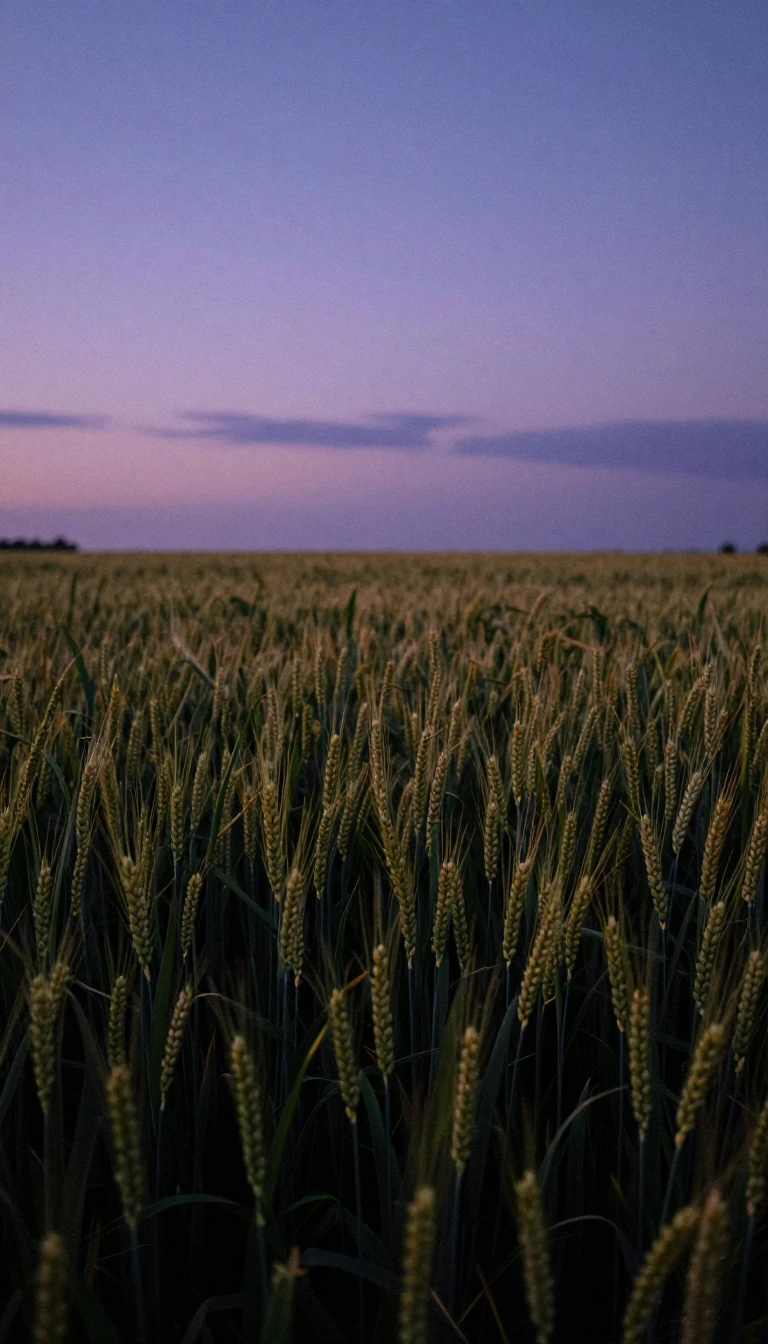
In short: The transition from hunting to farming in Europe remains one of history's most debated transformations. Spreading from the Middle East starting around 7000 BCE, the Neolithic period introduced permanent settlements and new technologies. Yet, whether this change was driven by immigrant colonizers or indigenous adoption remains a complex, contested puzzle.
The Neolithic Period, or New Stone Age, began in Europe around 7000 BCE, marking the shift from mobile hunting and gathering to settled agricultural economies. This transition was not uniform; while farming took root in Greece by the 7th millennium BCE, it did not reach Britain for another two millennia, and Scandinavia even later. The process was defined by the introduction of Middle Eastern crops like emmer wheat, einkorn wheat, and barley, alongside new technologies such as pottery and heavy tools for forest clearance.
Scholars have long debated the mechanism of this expansion. One model proposes a wave of immigrant colonization from the Middle East, where agricultural populations expanded into new territories. An opposing view suggests that indigenous Mesolithic groups adopted farming practices independently. Evidence indicates a mixed reality: while southeastern Europe shows strong material similarities to Middle Eastern cultures, northern and western regions likely experienced a more gradual adaptation by local communities. In some areas, such as the LBK culture in central Europe, a homogeneous pattern of settlement suggests a distinct, widespread cultural footprint.
By the 5th and 4th millennia BCE, Neolithic society had grown increasingly complex. Sites like Sesklo and Dhimini in Greece featured defensive structures, while the Varna cemetery in Bulgaria revealed significant social stratification through elaborate gold collections. Independent developments, such as copper and gold metallurgy in the Balkans and massive stone temples on Malta, highlight the regional diversity of the era. This period fundamentally altered the human relationship with the environment, enabling permanent housing, population growth, and the emergence of specialized crafts that laid the groundwork for later European development.
Opens the Intellect+ feed with this card first. Swipe up for the next one.
Sources
- Summary by Intellect · source: History of Europe - Neolithic, Agriculture, Migration | Britannica
- Also: Neolithic Europe
To cite this card, link to https://intellectplus.co.uk/app/history-neolithic-europe.
How we source, check and correct cards: Editorial standards.
General information, not professional advice. Spotted an error? Flag the card or see corrections and complaints.
Intellect Plus is a visual educational discovery platform for exploring fascinating facts and ideas. Brain Food, Not Brain Rot. What is Intellect Plus?
Related
More in Prehistory · More in History · Latest · A–Z · All topics
