The world's oldest fortified city was built before humans even invented farming
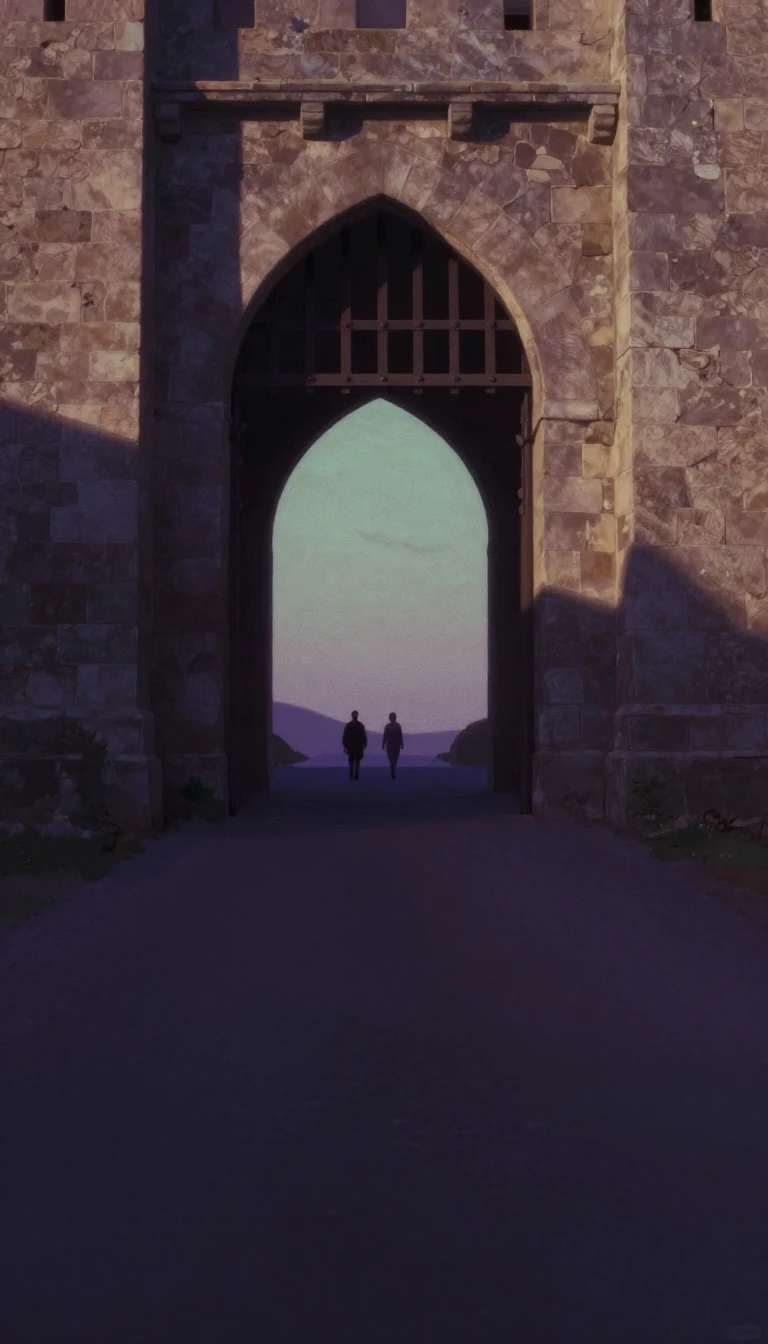
In short: Long before the rise of agriculture, the inhabitants of Tell es-Sultan were already constructing massive stone walls and towers. This ancient site in Jericho, now a UNESCO World Heritage location, challenges our understanding of early human civilization, revealing that complex social organization existed thousands of years earlier than once believed.
Tell es-Sultan, often identified as ancient Jericho, represents one of the most significant archaeological sites in the Levant. Human activity here dates back to the 10th millennium BCE, with permanent settlement beginning between 10,000 and 9000 BCE. Remarkably, this initial occupation by Natufian groups appears to predate the widespread adoption of agriculture, as these early residents relied on hunting and gathering while living in circular dwellings made of sun-dried mud bricks.
The site is perhaps most famous for its Pre-Pottery Neolithic A phase, which lasted from approximately 8500 to 7500 BCE. During this era, the settlement evolved into a proto-city, protected by a sophisticated defensive system. Around 8000 BCE, residents constructed a massive stone wall and a central tower, the latter standing 8.5 metres tall and featuring an internal staircase. This structure was the tallest in the world until the construction of the Pyramid of Djoser. The sheer scale of these fortifications, including a ditch cut into solid bedrock, suggests a high level of social coordination and a division of labor that was unprecedented for the time.
Over the millennia, Tell es-Sultan experienced numerous cycles of occupation, destruction, and abandonment. Following a hiatus, a second settlement emerged in 6800 BCE, characterized by rectilinear mud-brick buildings and the ritualistic practice of plastering human skulls. Later periods, particularly the Middle Bronze Age, saw the city reach new heights of prosperity with elaborate palaces and defensive towers. Despite its historical importance, the site remains a subject of intense study and occasional political debate, with current efforts focused on stabilizing its fragile remains against erosion and managing its status as a protected archaeological park.
Opens the Intellect+ feed with this card first. Swipe up for the next one.
Sources
- Summary by Intellect · source: Tell es-Sultan
- Also: Wikidata — Tell es-Sultan · CC0
- Also: Wikidata — Tell es-Sultan/Jericho in the Context of the Jordan Valley · CC0
To cite this card, link to https://intellectplus.co.uk/app/places-tell-es-sultan.
How we source, check and correct cards: Editorial standards.
General information, not professional advice. Spotted an error? Flag the card or see corrections and complaints.
Intellect Plus is a visual educational discovery platform for exploring fascinating facts and ideas. Brain Food, Not Brain Rot. What is Intellect Plus?
Related
More in Archaeology · More in History · Latest · A–Z · All topics
