The migration that transformed Europe: How Anatolian farmers replaced the continent's hunter-gatherers
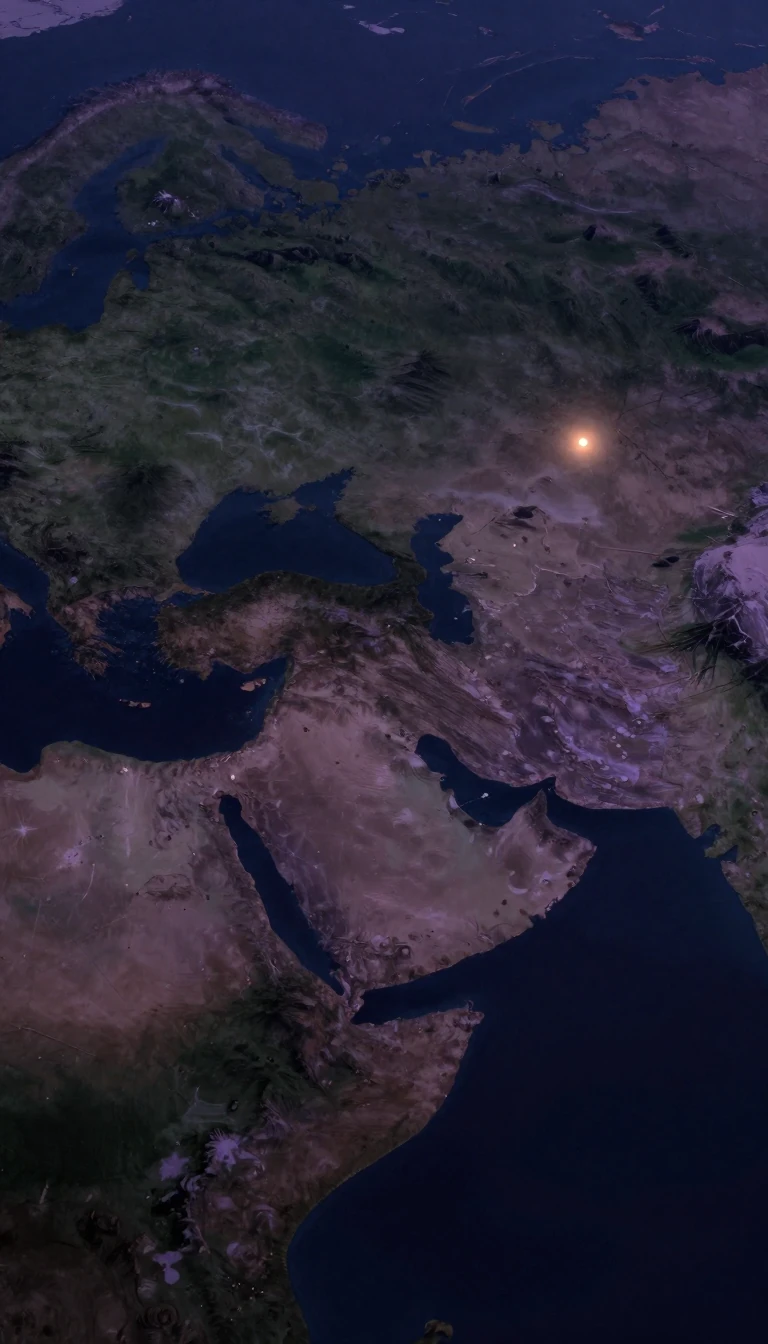
In short: Eight thousand years ago, Europe was home to nomadic hunter-gatherers. By 7,000 BC, a massive migration of Anatolian Neolithic Farmers began, eventually replacing the native gene pool and introducing agriculture. This shift fundamentally altered the continent's social structure, diet, and physical appearance, leaving a genetic legacy that persists in modern populations.
The transition to agriculture in Europe was not merely an exchange of ideas but a result of mass migration. Originating from Anatolia, these early farmers moved into Southeast Europe around 7,000 BC. Genetic evidence confirms that this expansion, characterized by demic diffusion, led to the near-total replacement of local Balkan hunter-gatherer populations. These farmers, who kept livestock like cattle and sheep and cultivated wheat, expanded across the continent, reaching the British Isles by 4,000 BC and the Iberian Peninsula, from where they eventually migrated into Northwest Africa.
The social dynamics of these early farming communities were complex and often stratified. Archaeological findings from the 5th millennium BC, such as the massive settlements of the Cucuteni–Trypillia culture in modern-day Ukraine, suggest the existence of sophisticated hierarchies and public spaces. Evidence from Neolithic tombs indicates that some societies were patrilineal, practicing female exogamy, while others, such as the community at Newgrange, show signs of extreme social stratification, including potential rule by powerful 'god-kings' who practiced inbreeding.
The genetic profile of Europe continued to evolve long after the initial arrival of these farmers. During the Chalcolithic and early Bronze Age, migrations of Western Steppe Herders from the Pontic–Caspian steppe introduced new ancestry, which significantly impacted the existing gene pool and contributed to increased physical height in European populations. Despite these later shifts, Early European Farmer ancestry remains a substantial component of modern European and Northwest African genetics, peaking at over 80% in some contemporary Sardinian populations.
While the arrival of farmers is well-documented, the process was not uniform. Large parts of Northern and Eastern Europe remained unsettled by these groups for extended periods. Furthermore, the interaction between farmers and indigenous hunter-gatherers was not always peaceful, and some regions saw a male-driven resurgence of hunter-gatherer ancestry during the Middle Neolithic. Today, the legacy of these first farmers is still being mapped, with recent studies even suggesting that their ancestry is enriched with risk alleles for mood-related phenotypes.
Opens the Intellect+ feed with this card first. Swipe up for the next one.
Sources
- Summary by Intellect · source: Early European Farmers
- Also: www.scientificamerican.com — When the First Farmers Arrived in Europe, Inequality Evolved
To cite this card, link to https://intellectplus.co.uk/app/culture-early-european-farmers.
How we source, check and correct cards: Editorial standards.
General information, not professional advice. Spotted an error? Flag the card or see corrections and complaints.
Intellect Plus is a visual educational discovery platform for exploring fascinating facts and ideas. Brain Food, Not Brain Rot. What is Intellect Plus?
Related
More in Peoples & civilisations · More in Cultures · Latest · A–Z · All topics
