The Nineteenth Dynasty of Egypt: A Century of Imperial Might and Internal Collapse
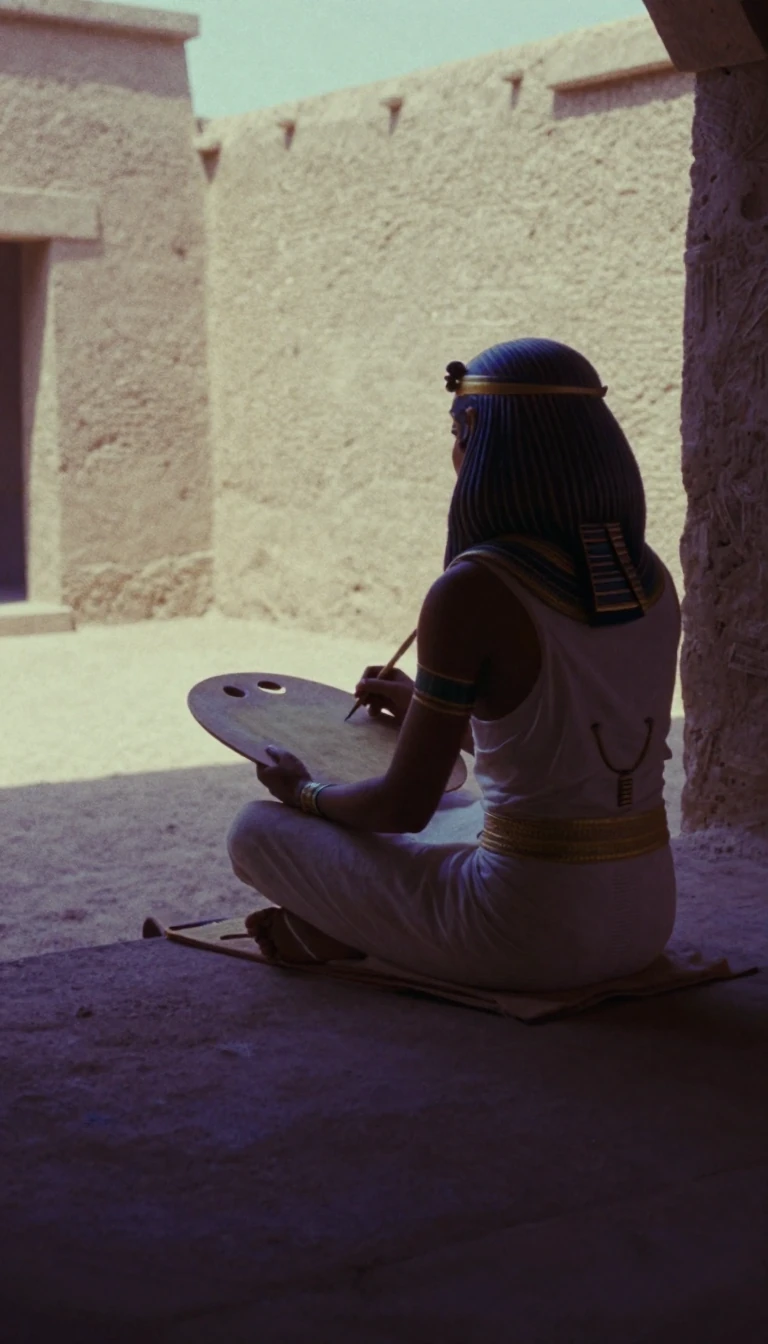
In short: The Nineteenth Dynasty, or Ramesside period, saw Egypt reach its zenith under warrior-kings who challenged the Hittite Empire. Yet, this era of military expansion and monumental peace treaties ultimately dissolved into court conspiracies, usurpers, and a desperate struggle for the throne that left the kingdom vulnerable to a new dynasty.
Founded by Vizier Ramesses I in 1292 BC, the Nineteenth Dynasty marked a pivotal shift in Egyptian geopolitics. Unlike the early Eighteenth Dynasty, which faced little resistance, the Ramesside pharaohs confronted a formidable Hittite Empire expanding into Syria and Canaan. Seti I and his successor, Ramesses II, defined this era through aggressive campaigns. Ramesses II, in particular, famously engaged the Hittites at Kadesh in 1274 BC—history’s first recorded military ambush—eventually securing a historic peace treaty with Hattusili III in his 21st regnal year. This diplomatic milestone, cemented by marriage alliances, signaled a pragmatic pivot away from the unsustainable costs of perpetual warfare.
Despite these external successes, the dynasty’s internal stability was fragile. Royal practices, such as brother-sister marriages, were intended to mirror creation myths and consolidate power, yet the later years were marred by intense infighting. Following the reign of Merneptah, the throne became a battleground. Figures like the usurper Amenmesse and the influential Chancellor Bay—who uniquely secured a tomb in the Valley of the Kings—highlight the volatile nature of the court. By the time Twosret, the dynasty’s final ruler, faced a revolt led by Setnakhte, the central authority had been severely eroded by decades of conspiracy.
Our historical understanding of this period is surprisingly filtered. Because many surviving king lists, such as the Abydos list, were commissioned by early Nineteenth Dynasty pharaohs, they omit the later, more chaotic reigns. Later rulers, including those of the Twentieth Dynasty, practiced damnatio memoriae, actively erasing figures like Amenmesse and Twosret from official records. While Manetho’s later accounts attempted to document the dynasty, they were often plagued by inaccuracies and misunderstandings. Consequently, the true narrative of the Nineteenth Dynasty—a story of imperial ambition followed by a poisoned legacy of internal decay—remains a complex puzzle reconstructed from fragmented monuments and the occasional, biased historical record.
Opens the Intellect+ feed with this card first. Swipe up for the next one.
Sources
- Summary by Intellect · source: Nineteenth Dynasty of Egypt
To cite this card, link to https://intellectplus.co.uk/app/history-nineteenth-dynasty-of-egypt.
How we source, check and correct cards: Editorial standards.
General information, not professional advice. Spotted an error? Flag the card or see corrections and complaints.
Intellect Plus is a visual educational discovery platform for exploring fascinating facts and ideas. Brain Food, Not Brain Rot. What is Intellect Plus?
Related
More in Empires & civilisations · More in History · Latest · A–Z · All topics
