The ancient Assyrian capital that hosted the greatest party in world history
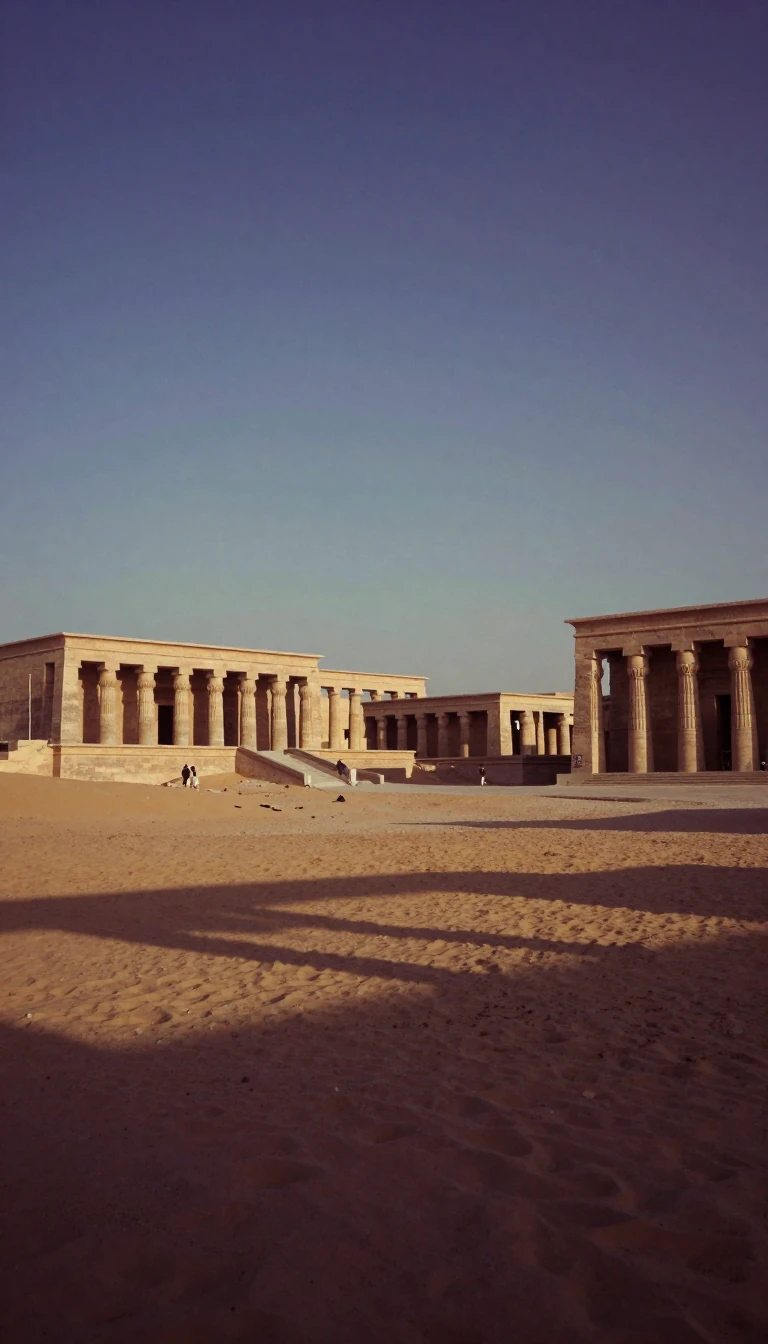
In short: In 864 BC, King Ashurnasirpal II threw a ten-day banquet in Nimrud for nearly 70,000 guests. This massive celebration, fueled by thousands of jugs of wine and beer, marked the completion of a city that once stood as the most populous urban center on Earth.
Founded as a trading settlement under Shalmaneser I around 1274 BC, Nimrud—known anciently as Kalhu—was transformed into a sprawling imperial capital by Ashurnasirpal II. Seeking to escape the influence of established families in the old capital of Ashur, he constructed a new city featuring colossal palaces, extensive fortifications, and what may have been the world's first large-scale zoo. The city’s strategic location between the Tigris and the Great Zab allowed it to flourish, reaching a population of approximately 75,000 by 800 BC.
The site became a treasure trove for 19th-century archaeologists, who mistakenly identified it with the biblical figure Nimrod. Excavations led by figures like Austen Henry Layard uncovered extraordinary artifacts, including massive lamassu statues weighing up to 30 tons and the famous Black Obelisk of Shalmaneser III. This obelisk is particularly significant to biblical scholars, as it is widely believed to contain the earliest known depiction of an Israelite king, Jehu of Israel, referred to by the Assyrians as a 'son of Omri'.
Beyond its political and religious importance, Nimrud served as a hub for international art and trade. Storerooms yielded exquisite ivory carvings and bronze bowls imported from across the Near East. The city remained a royal residence for centuries, housing the tombs of Assyrian queens, until the capital was eventually shifted to Dur-Sharrukin and later Nineveh. Despite its endurance, the site suffered catastrophic damage in 2015 when the terrorist organization Islamic State used bulldozers to destroy roughly 90% of the excavated remains, viewing the ancient Assyrian heritage as un-Islamic.
Today, the site stands as a testament to both the architectural ambition of the Assyrian Empire and the fragility of human history. While reconstruction efforts are underway, the legacy of Nimrud persists through the thousands of artifacts dispersed across at least 76 museums worldwide, ensuring that the history of this once-mighty capital continues to be studied and preserved.
Opens the Intellect+ feed with this card first. Swipe up for the next one.
Sources
- Summary by Intellect · source: Nimrud
To cite this card, link to https://intellectplus.co.uk/app/history-nimrud.
How we source, check and correct cards: Editorial standards.
General information, not professional advice. Spotted an error? Flag the card or see corrections and complaints.
Intellect Plus is a visual educational discovery platform for exploring fascinating facts and ideas. Brain Food, Not Brain Rot. What is Intellect Plus?
Related
More in Empires & civilisations · More in History · Latest · A–Z · All topics
