Normandy is a fractured legacy of Viking settlers, French kings, and British monarchs.
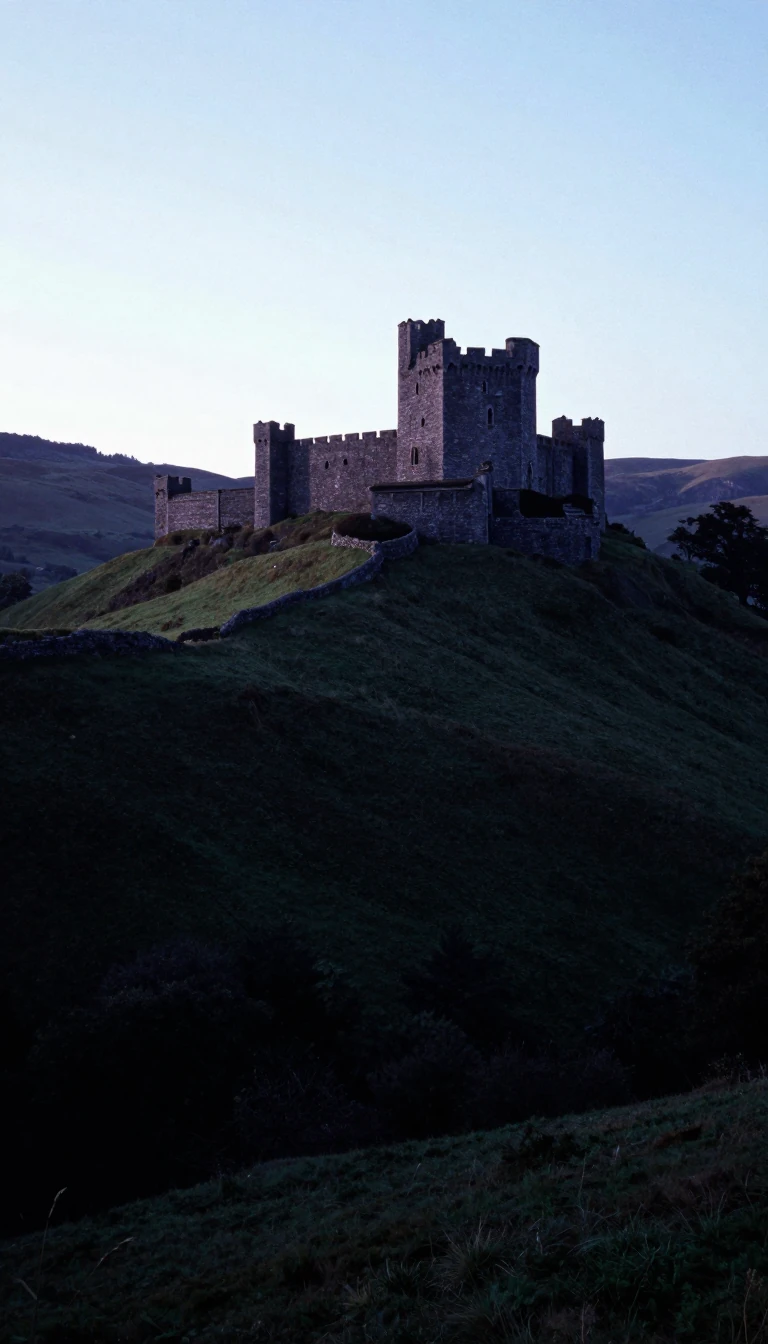
In short: While mainland Normandy is a modern French region, its history is inextricably tied to the English Crown. From the 9th-century Viking raids that birthed its name to the dual-monarchy era following 1066, this land remains a unique cultural bridge between France, the United Kingdom, and the Channel Islands.
The identity of Normandy was forged in the 9th century when Norse settlers, or Northmen, established a foothold in the lower Seine valley. This presence was formalized in 911 by the Treaty of Saint-Clair-sur-Epte, where the Viking leader Rollo pledged military service and conversion to Christianity in exchange for territory. Over the next century, these settlers assimilated into the local Frankish population, creating a distinct Norman identity that would soon exert massive influence across Europe.
The duchy reached its zenith in 1066 when Duke William the Conqueror successfully invaded England. For nearly 150 years, the Duke of Normandy and the King of England were the same person, creating profound political and architectural links that persist today. While mainland Normandy was absorbed into the French royal domain in 1204, the Channel Islands—historically part of the duchy—remained under the English Crown. This legacy is still honored today; in the islands, the British monarch is ceremonially recognized as the Duke of Normandy.
Today, the region is a tapestry of contrasts. Mainland Normandy, unified into a single administrative region in 2016, is a powerhouse of dairy, cider, and maritime industry. Meanwhile, the Channel Islands operate as self-governing British Crown Dependencies. Despite these modern political divisions, the shared heritage remains visible in everything from the Norman language and its Norse-influenced place names to the distinctive granite architecture and the enduring symbols of the Norman leopards, which represent the region's historical strength and courage.
Opens the Intellect+ feed with this card first. Swipe up for the next one.
Sources
- Summary by Intellect · source: Normandy
To cite this card, link to https://intellectplus.co.uk/app/history-normandy.
How we source, check and correct cards: Editorial standards.
General information, not professional advice. Spotted an error? Flag the card or see corrections and complaints.
Intellect Plus is a visual educational discovery platform for exploring fascinating facts and ideas. Brain Food, Not Brain Rot. What is Intellect Plus?
Related
More in UK & Ireland: history · More in History · Latest · A–Z · All topics
