How a forgotten borderland kingdom became the dominant power of early medieval England
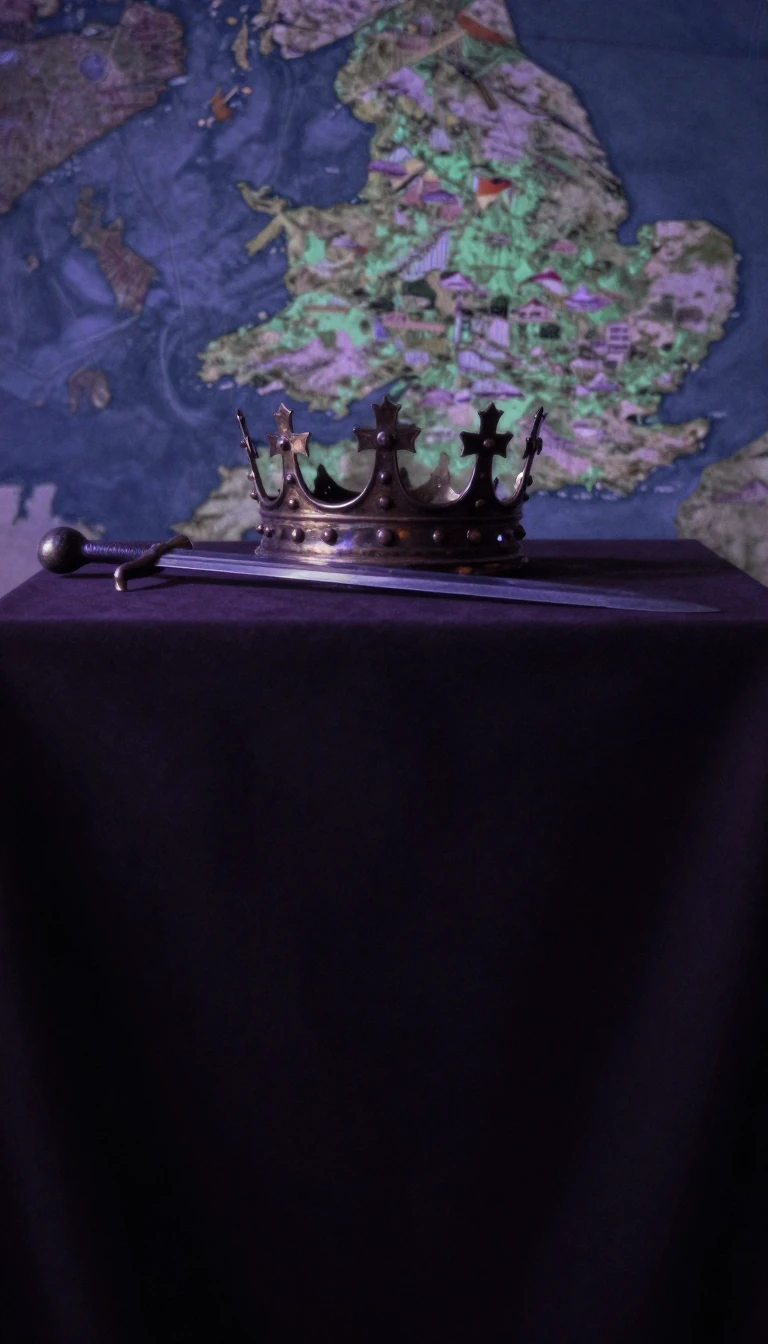
In short: For three centuries, Mercia was the powerhouse of Anglo-Saxon England. Centered on the River Trent, this kingdom of border folk rose from obscurity to dominate the south, creating a golden age of political and religious influence before eventually being absorbed into the unified Kingdom of England by the tenth century.
Mercia, whose name translates from Old English as 'boundary folk,' emerged in the Midlands during the sixth century. While its precise origins remain debated, it likely formed along the frontier between Anglo-Saxon invaders and native Welsh populations. By the seventh century, under the leadership of kings like Penda, Mercia began a rapid expansion. Despite Penda’s reputation as a pagan who resisted Christian influence, he was a formidable military strategist who defeated Northumbrian rulers and claimed dominance over the southern kingdoms.
The 'Mercian Supremacy' reached its zenith between 600 and 900. King Offa, who reigned from 757 to 796, is often cited as the kingdom's greatest monarch. He successfully consolidated power, established market towns, minted the first major gold coins in Britain, and negotiated with Charlemagne as an equal. His most enduring legacy, Offa's Dyke, served as a massive boundary between Mercia and the Welsh kingdoms. During this period, Mercia became a cultural hub, producing significant Old English prose and fostering religious centers like Lichfield.
The kingdom’s decline began in the ninth century under the pressure of Viking invasions. The Great Heathen Army dismantled much of Mercia, and by 879, the last king, Ceolwulf II, had lost political independence. Although figures like Æthelflæd, the 'Lady of the Mercians,' fought to reclaim territory alongside her brother Edward the Elder, the kingdom was eventually subsumed by Wessex. By 927, Æthelstan had unified the region into the Kingdom of England, though Mercia maintained a distinct identity as an earldom until 1071.
Today, Mercia’s influence persists in unexpected ways. Its dialect of Old English, which bridged the gap between northern and southern speech, was famously studied by J.R.R. Tolkien. He drew heavily from Mercian history and language to craft the Kingdom of Rohan in his legendarium, even naming its kings after figures found in the ancient Mercian royal genealogy. This connection highlights how a kingdom once defined by its shifting borders continues to shape modern cultural imagination.
Opens the Intellect+ feed with this card first. Swipe up for the next one.
Sources
- Summary by Intellect · source: Mercia
To cite this card, link to https://intellectplus.co.uk/app/history-mercia.
How we source, check and correct cards: Editorial standards.
General information, not professional advice. Spotted an error? Flag the card or see corrections and complaints.
Intellect Plus is a visual educational discovery platform for exploring fascinating facts and ideas. Brain Food, Not Brain Rot. What is Intellect Plus?
Related
More in UK & Ireland: history · More in History · Latest · A–Z · All topics
