The Baltic states spent fifty years under Soviet rule, yet never legally ceased existing.
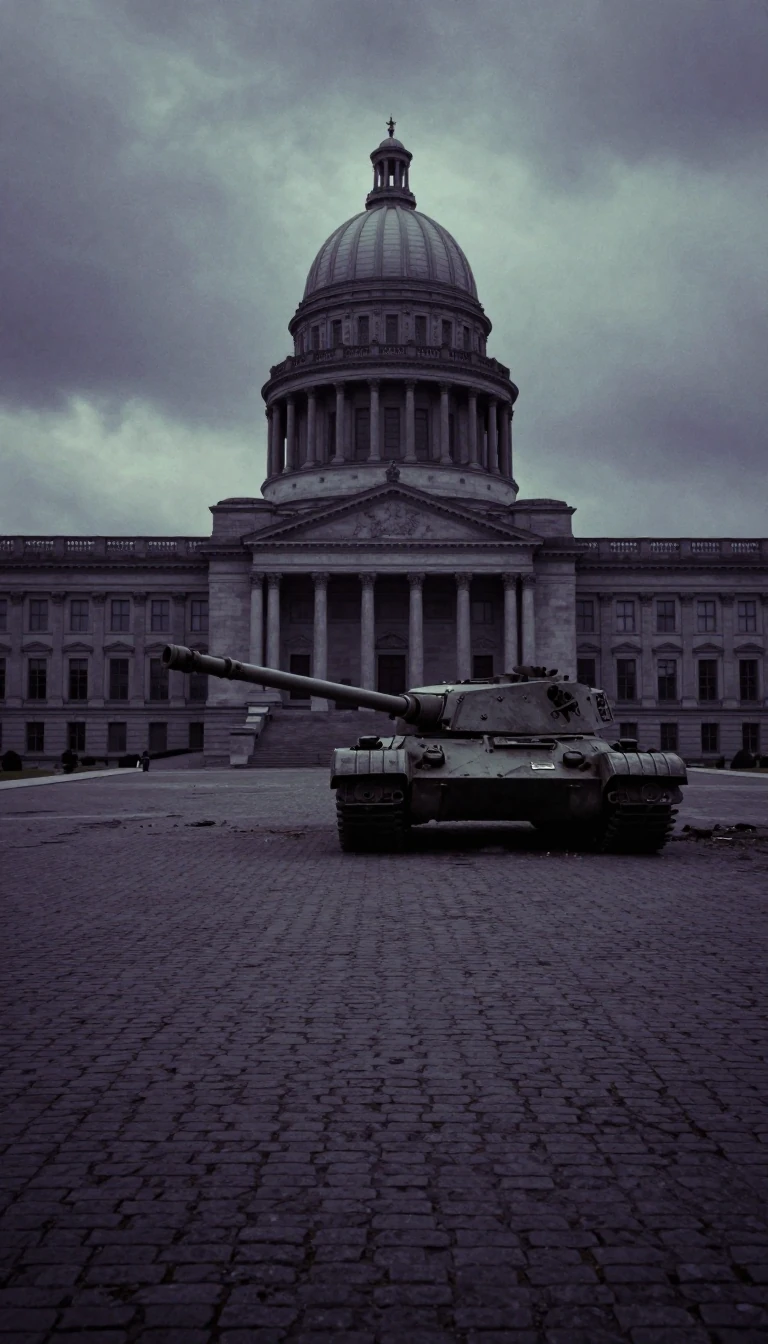
In short: When Paris fell in 1940, Stalin seized the opportunity to occupy Lithuania, Estonia, and Latvia. While the Soviet Union integrated these nations into its system through forced collectivization and mass deportations, Western powers refused to recognize the annexation, maintaining Baltic sovereignty in exile until the Soviet collapse in 1991.
The Soviet occupation of the Baltic states was rooted in the 1939 Molotov-Ribbentrop Pact, which secretly divided Northern and Eastern Europe into spheres of influence. By late 1939, Estonia, Latvia, and Lithuania were coerced into signing mutual assistance treaties, allowing the stationing of tens of thousands of Soviet troops on their soil. On June 15, 1940, the day Paris fell to Nazi Germany, Stalin issued an ultimatum to Lithuania, demanding the admission of unlimited Soviet forces and the installation of a compliant government. This marked the beginning of a direct occupation that soon extended to all three nations.
Postwar policies aimed to dismantle the independent farming class and integrate the region into the Soviet economic framework. This transformation was brutal; between 1946 and 1953, an estimated 530,000 people were lost to deportations and guerrilla resistance across the three countries. Socioeconomic engineering shifted these nations from predominantly rural societies to highly urbanized industrial hubs. Massive immigration of non-Balts, particularly into major cities, significantly altered the ethnic composition of the population, while Moscow maintained direct control over key administrative and military sectors.
Despite these efforts, the indigenous populations never reconciled with the loss of autonomy. By the 1970s, the region became a center for anti-Soviet dissent, with clandestine publications like The Chronicle of the Lithuanian Catholic Church keeping national identity alive. When Mikhail Gorbachev’s reforms weakened central authority in the late 1980s, mass movements like the Popular Fronts emerged. On August 23, 1989, a massive human chain spanning the three countries dramatized their resistance. Lithuania declared the reestablishment of its independence on March 11, 1990, followed shortly by Estonia and Latvia, eventually leading to the full dissolution of Soviet control.
Opens the Intellect+ feed with this card first. Swipe up for the next one.
Sources
- Summary by Intellect · source: Baltic states - Soviet Occupation, Independence, History | Britannica
- Also: Occupation of the Baltic states
To cite this card, link to https://intellectplus.co.uk/app/history-occupation-of-the-baltic-states.
How we source, check and correct cards: Editorial standards.
General information, not professional advice. Spotted an error? Flag the card or see corrections and complaints.
Intellect Plus is a visual educational discovery platform for exploring fascinating facts and ideas. Brain Food, Not Brain Rot. What is Intellect Plus?
Related
More in Modern (1800-1945) · More in History · Latest · A–Z · All topics
