How a wartime border shift reshaped the map of Europe and displaced millions
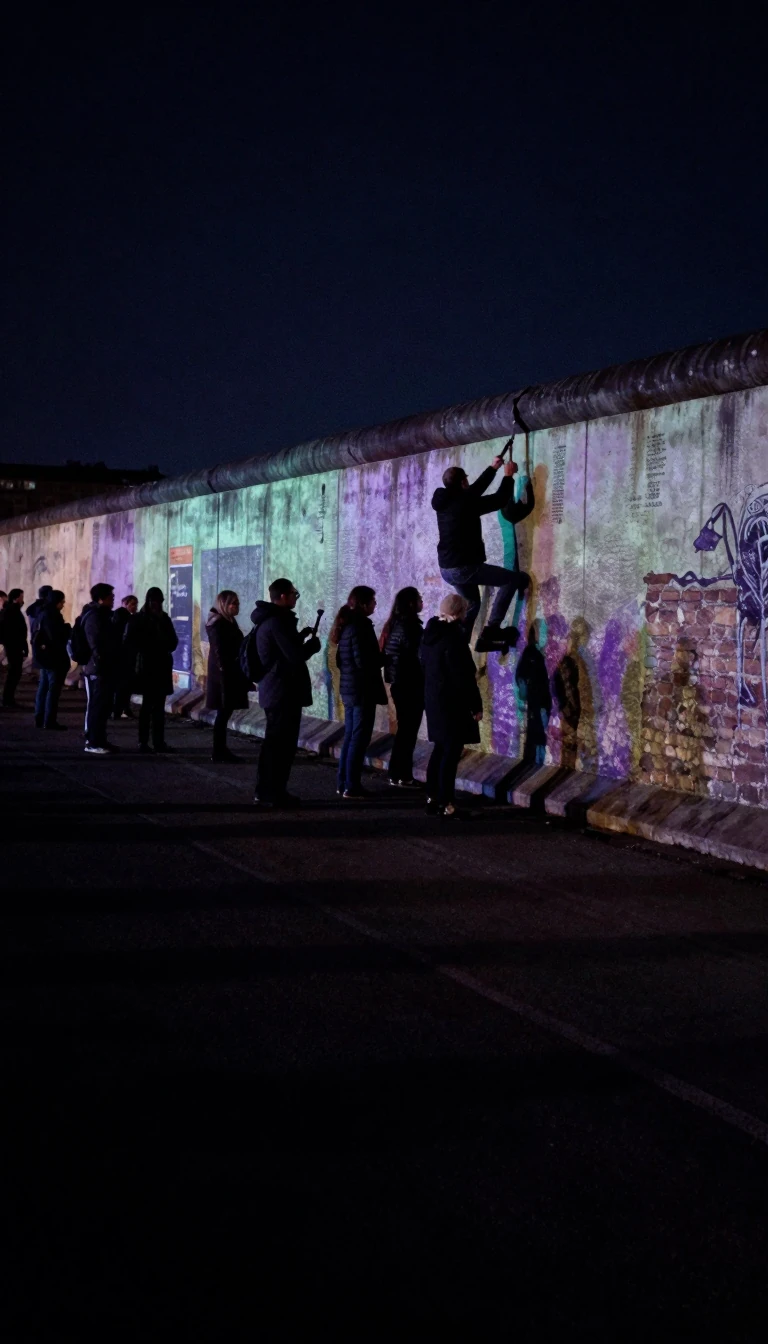
In short: The Oder–Neisse line, the modern border between Germany and Poland, was not a natural evolution but a synthetic creation of Joseph Stalin. Established at the 1945 Potsdam Conference, this boundary forced a massive westward shift of Poland, triggering the expulsion of millions and permanently altering the geography of post-war Europe.
The Oder–Neisse line, which follows the Oder and Lusatian Neisse rivers to the Baltic Sea, represents one of the most significant territorial reconfigurations of the 20th century. While Polish nationalists had long dreamed of returning to the borders of the 10th-century Piast dynasty, the actual implementation of this border was driven by Stalin’s geopolitical strategy. By shifting Poland westward, Stalin secured leverage over both Germany and Poland, effectively setting the two nations against each other while consolidating Soviet control over Eastern Europe.
The territorial changes were immense. Under the Potsdam Agreement, nearly one-quarter of the Weimar Republic’s 1937 land area—including Silesia, Pomerania, and parts of East Prussia—was transferred to Polish or Soviet administration. This decision was finalized amidst the chaos of the war’s end, as millions of Germans had already fled the advancing Red Army. The subsequent formalization of the border led to the expulsion of nearly all remaining Germans from these regions, while Poles displaced from territories annexed by the Soviet Union were resettled in the newly acquired lands.
For decades, the border remained a point of intense diplomatic friction. While the Communist governments of Poland and East Germany accepted the line in 1950, West Germany resisted for years, only adhering to it in 1972. It was not until the 1990 German–Polish Border Treaty, ratified in 1992 following the revolutions of 1989, that the line was finally and fully accepted by a reunified Germany. Today, the border stands as a testament to the brutal realpolitik of the post-war era, where the desire for a 'safe' frontier and the punishment of Nazi aggression resulted in a permanent, forced demographic and territorial transformation.
Opens the Intellect+ feed with this card first. Swipe up for the next one.
Sources
- Summary by Intellect · source: Oder–Neisse line
To cite this card, link to https://intellectplus.co.uk/app/history-oder-neisse-line.
How we source, check and correct cards: Editorial standards.
General information, not professional advice. Spotted an error? Flag the card or see corrections and complaints.
Intellect Plus is a visual educational discovery platform for exploring fascinating facts and ideas. Brain Food, Not Brain Rot. What is Intellect Plus?
Related
More in Modern (1800-1945) · More in History · Latest · A–Z · All topics
