These ancient Greek hymns were designed to summon gods through long strings of titles.
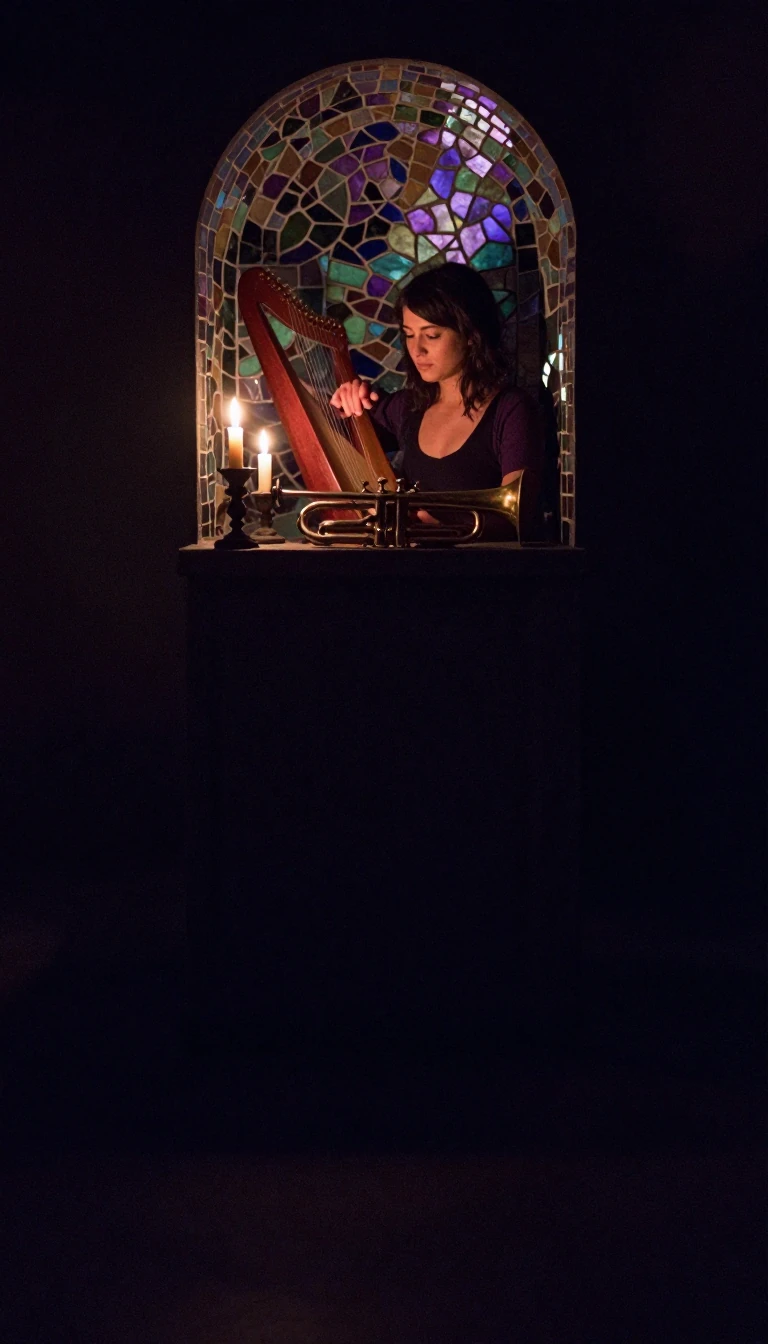
In short: Attributed to the mythical poet Orpheus, the Orphic Hymns are a collection of eighty-seven poems from Asia Minor. Used in nocturnal initiation rites, these hymns focus on invoking deities through dense lists of epithets rather than storytelling, offering a rare glimpse into the ritual life of a mysterious religious community.
Composed likely between the 2nd and 3rd centuries AD in Asia Minor, the Orphic Hymns served a specific ritual function for a cult community. These ceremonies, known as teletḗ, were held at night and involved the burning of specific offerings—such as spices, frankincense, or myrrh—while the hymns were recited. The collection is structured to mirror the progression from birth to death, beginning with primordial deities and concluding with Thanatos, the god of death. While the hymns are attributed to the legendary Orpheus to grant them ancient authority, they were almost certainly the work of a single author who synthesized earlier traditions.
The core mechanism of each hymn is a tripartite structure: an invocation to gain the deity's attention, a central development section, and a final request. Unlike the narrative-heavy Homeric Hymns, the Orphic collection relies on long, rhythmic concatenations of epithets. These titles and adjectives were designed to summon the power of the god, gratify them, and ensure their favorable presence during the initiation. The collection prominently features Dionysus, who appears to have been the central deity of the cult, with various members of a religious hierarchy—such as the mústai and orgiophántai—potentially referenced within the texts.
Scholars have long debated how 'Orphic' these hymns truly are, given the apparent absence of explicit myths like the dismemberment of Dionysus. While some researchers, such as Henri-Dominique Saffrey, have dismissed them as Orphic in name only, others argue that the collection displays deep structural and thematic parallels to lost Orphic theogonies. The absence of animal sacrifice in the ritual offerings, for instance, aligns with broader Orphic prohibitions. Ultimately, the hymns provide a unique window into a private, ritualistic world where the precise naming of divine attributes was believed to bridge the gap between the human initiate and the cosmic powers they sought to engage.
Opens the Intellect+ feed with this card first. Swipe up for the next one.
Sources
- Summary by Intellect · source: Orphic Hymns
To cite this card, link to https://intellectplus.co.uk/app/history-orphic-hymns.
How we source, check and correct cards: Editorial standards.
General information, not professional advice. Spotted an error? Flag the card or see corrections and complaints.
Intellect Plus is a visual educational discovery platform for exploring fascinating facts and ideas. Brain Food, Not Brain Rot. What is Intellect Plus?
Related
More in Explorers · More in History · Latest · A–Z · All topics
