The Pahlavi dynasty rose from a military coup to define Iran's modern trajectory.
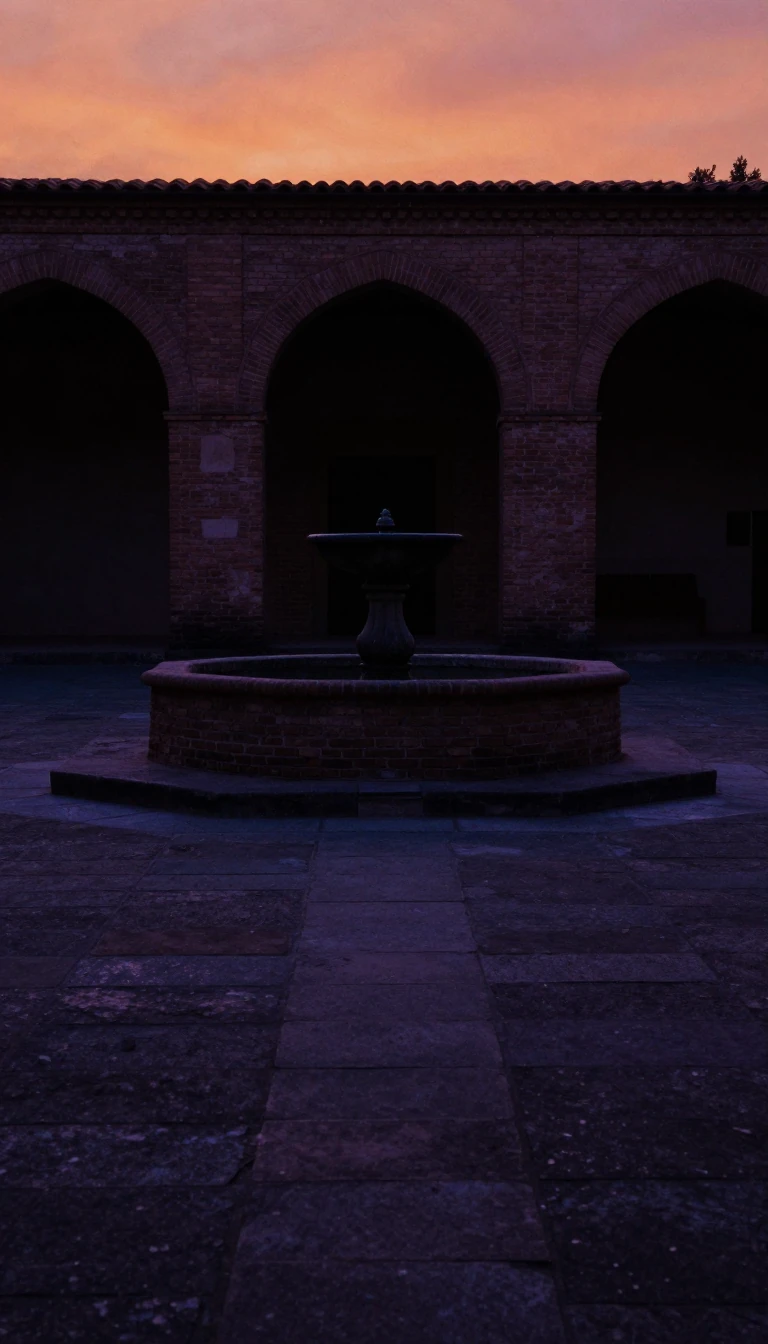
In short: Founded by a non-aristocratic soldier, the Pahlavi dynasty transformed Iran through rapid secularization and nationalism before its collapse in 1979. This brief, intense era of modernization reshaped the nation's judicial, educational, and social structures, yet its reliance on foreign influence and autocratic rule ultimately fueled the fires of revolution.
The Pahlavi dynasty began in 1921 when Reza Khan, a soldier from Mazandaran, led a detachment of the Persian Cossack Brigade to occupy Tehran. By 1925, the Majlis deposed the Qajar monarch, Ahmad Shah, and elected Reza Khan as the new Shah. His rise occurred against a backdrop of national exhaustion following the 1914–1919 war, which had left Iran prostrate and vulnerable to British and Russian interests. Initially, Reza Shah considered establishing a republic, but he abandoned this plan due to opposition from the clergy and foreign powers.
Reza Shah’s reign, lasting until 1941, focused on building a modern state. He implemented significant judicial and educational reforms, including the establishment of the University of Tehran in 1934, which challenged the clerical monopoly on learning. His policies improved the status of women by banning veils, raising the minimum marriage age, and reforming divorce laws. However, this modernization was selective; he simultaneously suppressed political parties, banned trade unions, and muzzled the press. His attempt to balance foreign influence by expanding trade with Nazi Germany ultimately led to an Anglo-Soviet invasion in 1941, forcing his abdication.
His son, Mohammad Reza Pahlavi, succeeded him during the Allied occupation. This period saw a brief, pluralistic era of political openness until the 1953 overthrow of Mohammad Mosaddegh, which returned the country to authoritarianism. The dynasty’s legacy remains complex, defined by its nationalist roots in the pre-Islamic Achaemenid era and its persistent struggle with foreign concessions, particularly regarding oil. The monarchy finally ended in 1979 with the Iranian Revolution, marking the conclusion of a dynasty that had fundamentally altered the social and political fabric of Iran over five decades.
Opens the Intellect+ feed with this card first. Swipe up for the next one.
Sources
- Summary by Intellect · source: Pahlavi dynasty
- Also: Pahlavi dynasty | Iran, Coups, Revolution, & Founder | Britannica
To cite this card, link to https://intellectplus.co.uk/app/history-pahlavi-dynasty.
How we source, check and correct cards: Editorial standards.
General information, not professional advice. Spotted an error? Flag the card or see corrections and complaints.
Intellect Plus is a visual educational discovery platform for exploring fascinating facts and ideas. Brain Food, Not Brain Rot. What is Intellect Plus?
Related
More in Empires & civilisations · More in History · Latest · A–Z · All topics
