The Paramara Dynasty: A Medieval Indian Power Built on Fire Myths and Scholarship
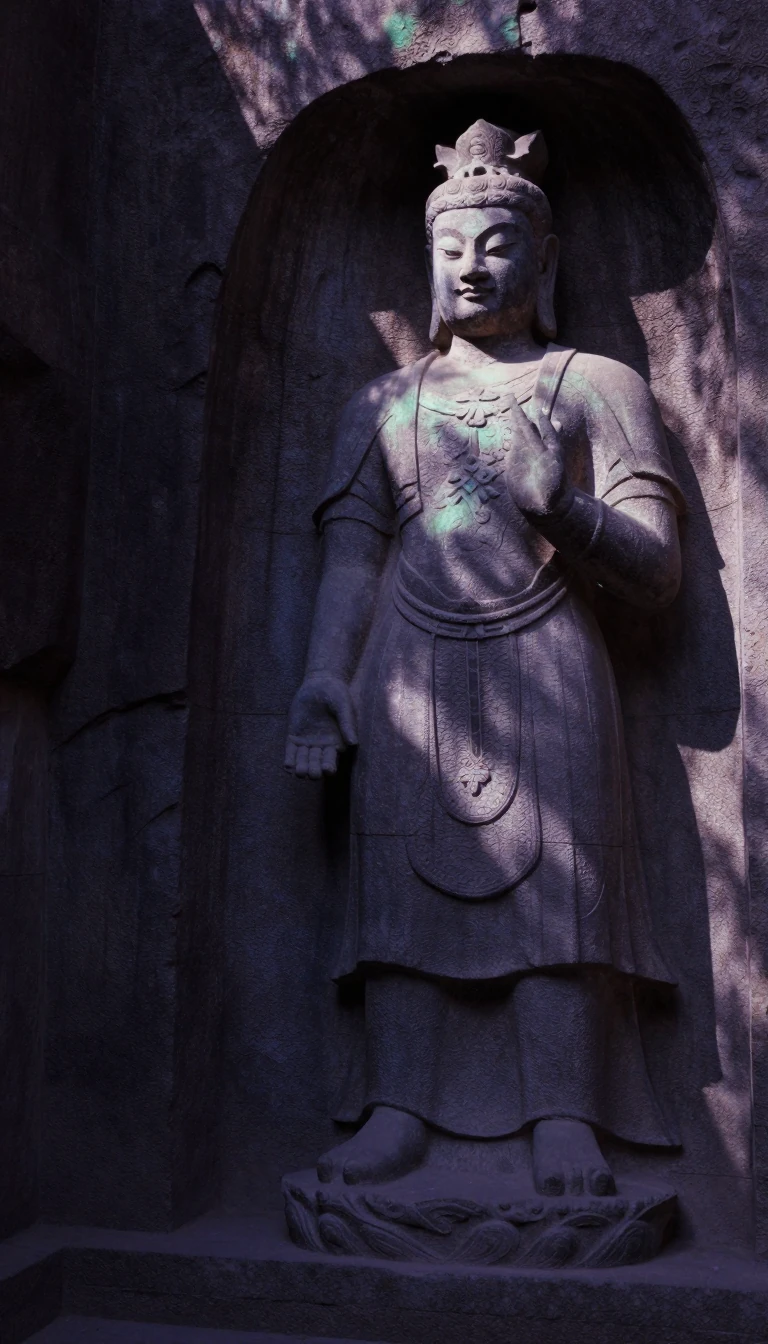
In short: Ruling Malwa for over three centuries, the Paramara dynasty rose from Rashtrakuta vassalage to become a beacon of Sanskrit culture. While their legendary origins are shrouded in fire-born myths, their historical reality was a volatile struggle for survival against neighboring kingdoms, culminating in the final conquest by Delhi's Sultanate.
The Paramara dynasty governed the Malwa region of west-central India from 948 to 1305 CE. Initially operating as subordinates to the Rashtrakutas, they achieved sovereignty under Siyaka II, who sacked the Rashtrakuta capital of Manyakheta in 972 CE. At their peak under the polymath king Bhoja, the empire stretched from Chittor to the Konkan coast. This era was defined by intense military competition with neighbors like the Chaulukyas, Kalachuris, and Chandelas, which forced the dynasty to repeatedly relocate its capital from Dhara to the more defensible Mandapa-Durga.
The dynasty’s origins remain a subject of intense historical debate. While later inscriptions and literary works, such as the Nava-sahasanka-charita, popularized the Agnikula myth—claiming the kings were born from a sacrificial fire pit to serve as 'enemy killers'—this legend was absent from early records. Some historians, including D.C. Ganguly, theorized a Deccan origin based on Rashtrakuta titles, while others like Dasharatha Sharma argued for a Brahmin ancestry, citing the 'Brahma-Kshatriya' designation. These competing narratives likely reflect the dynasty's need to establish legitimacy and prestige in a competitive political landscape.
Beyond the battlefield, the Paramaras left an indelible mark on Indian intellectual history. King Bhoja, the dynasty's most celebrated figure, was a prolific polymath who authored works on architecture, chemistry, and yoga. He established the Bhoj Shala as a premier center for Sanskrit studies. Despite this cultural brilliance, the dynasty faced relentless external pressure. Following the death of the last known king, Mahalakadeva, in 1305 at the hands of Alauddin Khalji’s forces, the region was eventually absorbed into the Delhi Sultanate by 1338, though epigraphic evidence suggests pockets of Paramara rule persisted for a few years after their final defeat.
The legacy of the Paramaras is as much about their resilience as their refinement. They navigated a complex web of alliances and betrayals, constantly balancing their role as patrons of the arts with the grim necessity of defending their borders. Their story illustrates the fluidity of medieval power, where identity was often constructed through myth and scholarship as much as through territorial control.
Opens the Intellect+ feed with this card first. Swipe up for the next one.
Sources
- Summary by Intellect · source: Paramara dynasty
To cite this card, link to https://intellectplus.co.uk/app/history-paramara-dynasty.
How we source, check and correct cards: Editorial standards.
General information, not professional advice. Spotted an error? Flag the card or see corrections and complaints.
Intellect Plus is a visual educational discovery platform for exploring fascinating facts and ideas. Brain Food, Not Brain Rot. What is Intellect Plus?
Related
More in Post-classical · More in History · Latest · A–Z · All topics
