The Gurjara-Pratihara dynasty: Architects of a lost medieval Indian empire
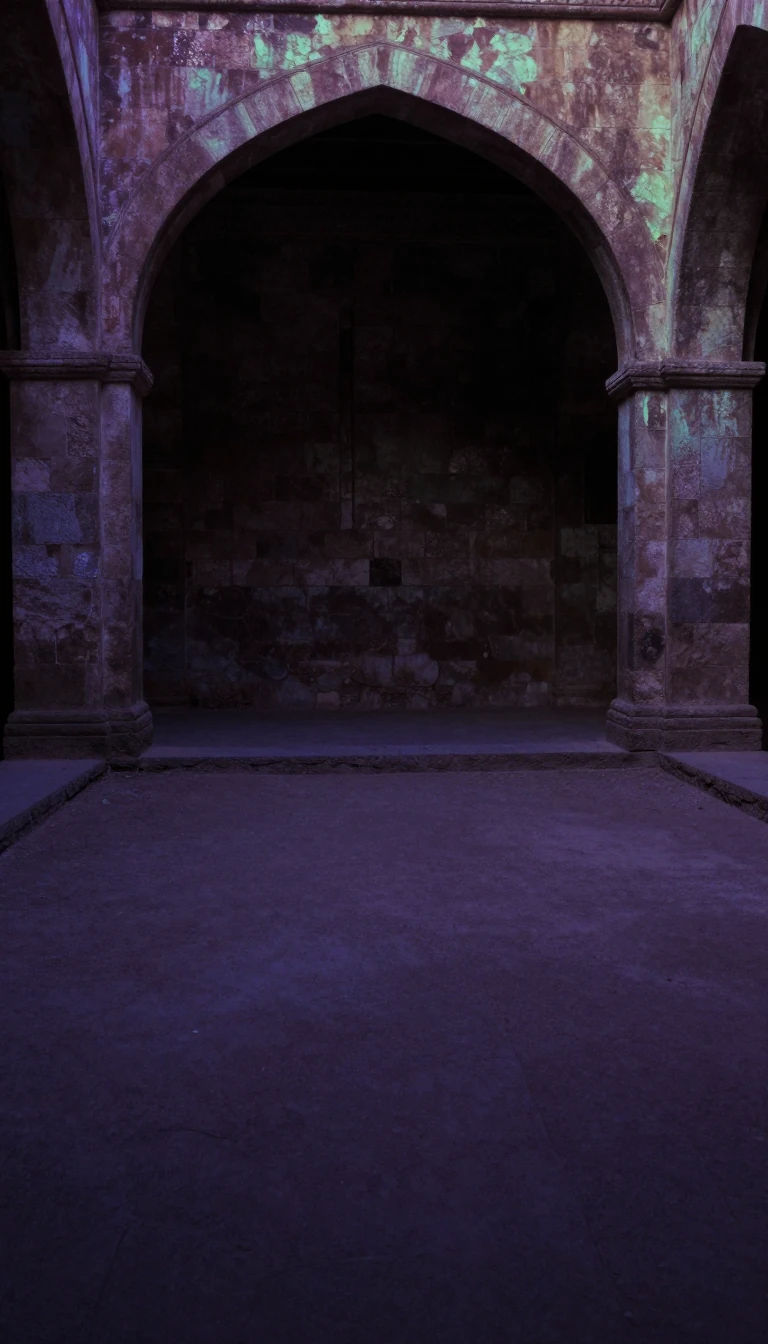
In short: For centuries, the Gurjara-Pratihara dynasty dominated northern India, acting as a critical bulwark against external threats. Despite their immense power and cultural legacy, their origins remain a subject of intense historical debate, with scholars divided between theories of indigenous roots and foreign migration following the Huna invasions.
The Gurjara-Pratihara dynasty emerged as a significant force in medieval India, with two distinct lines of power. An earlier line ruled from Mandor in Marwar between the 6th and 9th centuries, while the more prominent line, founded by Nagabhata I in the 8th century, eventually established its capital at Kannauj. By the reign of Mihira Bhoja and his successor Mahendrapala, who ruled from approximately 890 to 910, the empire reached its zenith. At this peak, its territory stretched from Gujarat and Kathiawar to northern Bengal, rivaling the reach of the ancient Gupta Empire.
The dynasty’s political trajectory was defined by the Tripartite Struggle, a complex series of conflicts involving the Rashtrakutas and the Palas. Nagabhata II played a pivotal role in these wars, capturing Kannauj around 816 and securing his position as the preeminent ruler of northern India. However, the empire’s stability was fragile. Internal dynastic strife and a devastating raid by the Rashtrakuta king Indra III in about 916 severely weakened the state. By the end of the 10th century, the Pratiharas were reduced to controlling little more than the Gangetic doab.
The decline culminated in the 11th century. The last significant ruler, Rajyapala, was forced from Kannauj by Mahmud of Ghazna in 1018 and subsequently killed by the forces of the Chandela king Vidyadhara. While a small principality reportedly persisted in the Allahabad region for another generation, the dynasty’s collapse marked a definitive shift in the political landscape of northern India. The origins of the Gurjaras themselves remain uncertain; while older theories suggested they entered India alongside the Hephthalites in the 5th century, most modern historians favor an indigenous origin, noting that the name Gurjara does not appear in historical records until the end of the 6th century.
Opens the Intellect+ feed with this card first. Swipe up for the next one.
Sources
- Summary by Intellect · source: Gurjara-Pratihara dynasty | Indian History, Rajputs & Empire | Britannica
- Also: Pratihara dynasty
To cite this card, link to https://intellectplus.co.uk/app/history-pratihara-dynasty.
How we source, check and correct cards: Editorial standards.
General information, not professional advice. Spotted an error? Flag the card or see corrections and complaints.
Intellect Plus is a visual educational discovery platform for exploring fascinating facts and ideas. Brain Food, Not Brain Rot. What is Intellect Plus?
Related
More in Post-classical · More in History · Latest · A–Z · All topics
