How a single ancient superpower collapsed into three warring states through internal aristocratic decay
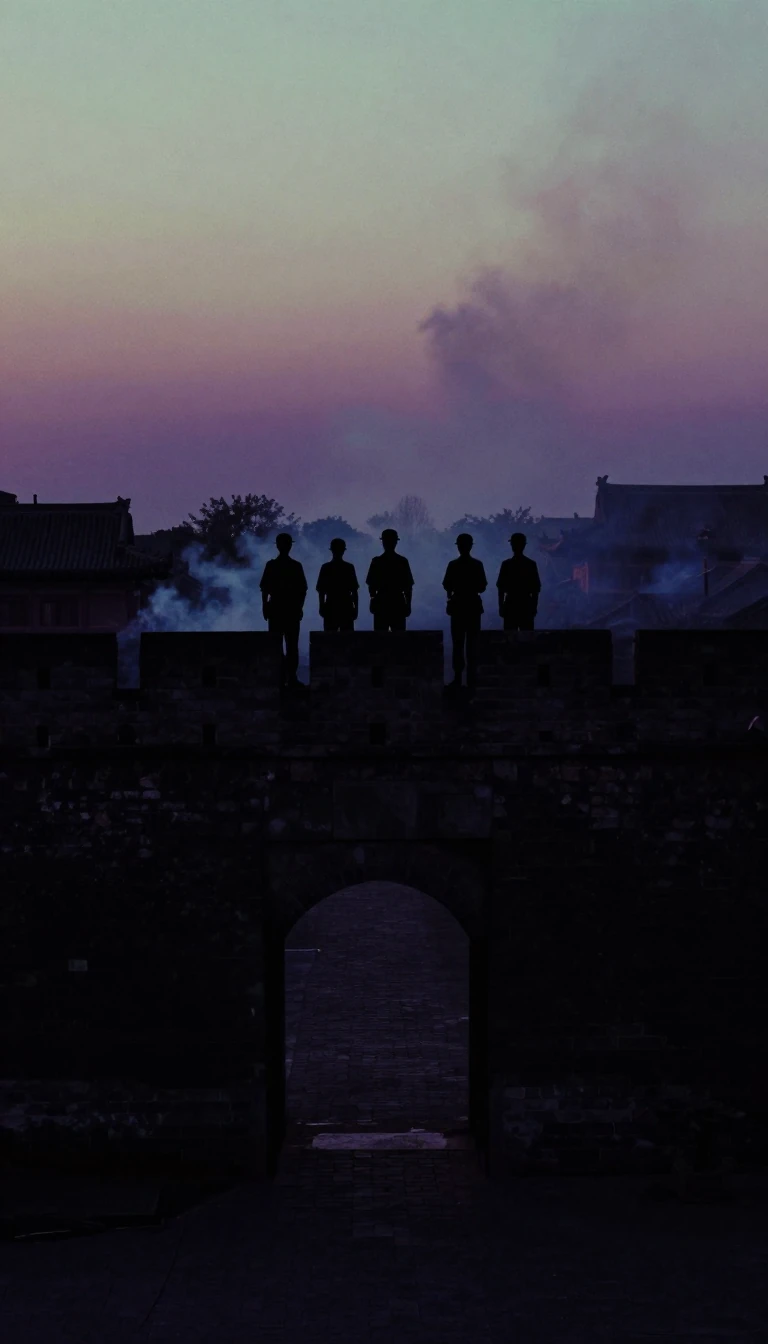
In short: The Partition of Jin was not a sudden event, but a decades-long erosion of central authority. As powerful ministerial families systematically usurped the ruling duke’s power, the state of Jin fractured into the rival states of Han, Zhao, and Wei, fundamentally altering the trajectory of ancient Chinese history.
The State of Jin was once a dominant force, but it suffered from a unique structural flaw. Unlike other states that enfeoffed cadet branches of the ruling house, Jin consistently exiled or disempowered its own relatives. This left a power vacuum filled by powerful ministerial families—the 'Six Titled Retainers'—who operated as semi-independent warlords. By the sixth century BCE, these clans were effectively using the Jin duke as a mere figurehead.
The path to partition was marked by brutal clan warfare. In 497 BCE, a dispute over 500 soldiers triggered a conflict that decimated the Fan and Zhonghang clans. By 450 BCE, the Zhi clan had emerged as the most aggressive, demanding territory from the remaining houses of Han, Wei, and Zhao. However, their overreach proved fatal. In 453 BCE, the other three clans united, diverted a river to flood the Zhi camp, and annihilated the clan entirely.
With the Zhi gone, the remaining three families reached a stalemate. In 403 BCE, King Weilie of Zhou formally recognized the division, proclaiming the leaders of Han, Zhao, and Wei as equals. This marked the transition from the Spring and Autumn period to the Warring States era. The process of dissolution continued until 349 BCE, when the last remnants of Jin territory were finally absorbed, ending the state's existence.
The partition was a watershed moment because it forced the new states to innovate. To prevent the same aristocratic encroachment that destroyed Jin, the new states of Han, Zhao, and Wei rapidly developed centralized bureaucracies. This shift toward administrative control over feudal loyalty became a defining feature of the competitive political landscape that would eventually lead to the unification of China.
Opens the Intellect+ feed with this card first. Swipe up for the next one.
Sources
- Summary by Intellect · source: Partition of Jin
To cite this card, link to https://intellectplus.co.uk/app/history-partition-of-jin.
How we source, check and correct cards: Editorial standards.
General information, not professional advice. Spotted an error? Flag the card or see corrections and complaints.
Intellect Plus is a visual educational discovery platform for exploring fascinating facts and ideas. Brain Food, Not Brain Rot. What is Intellect Plus?
Related
More in Ancient · More in History · Latest · A–Z · All topics
