The sacred geography of Nepal's Pashupatinath Temple connects to a divine bull's anatomy
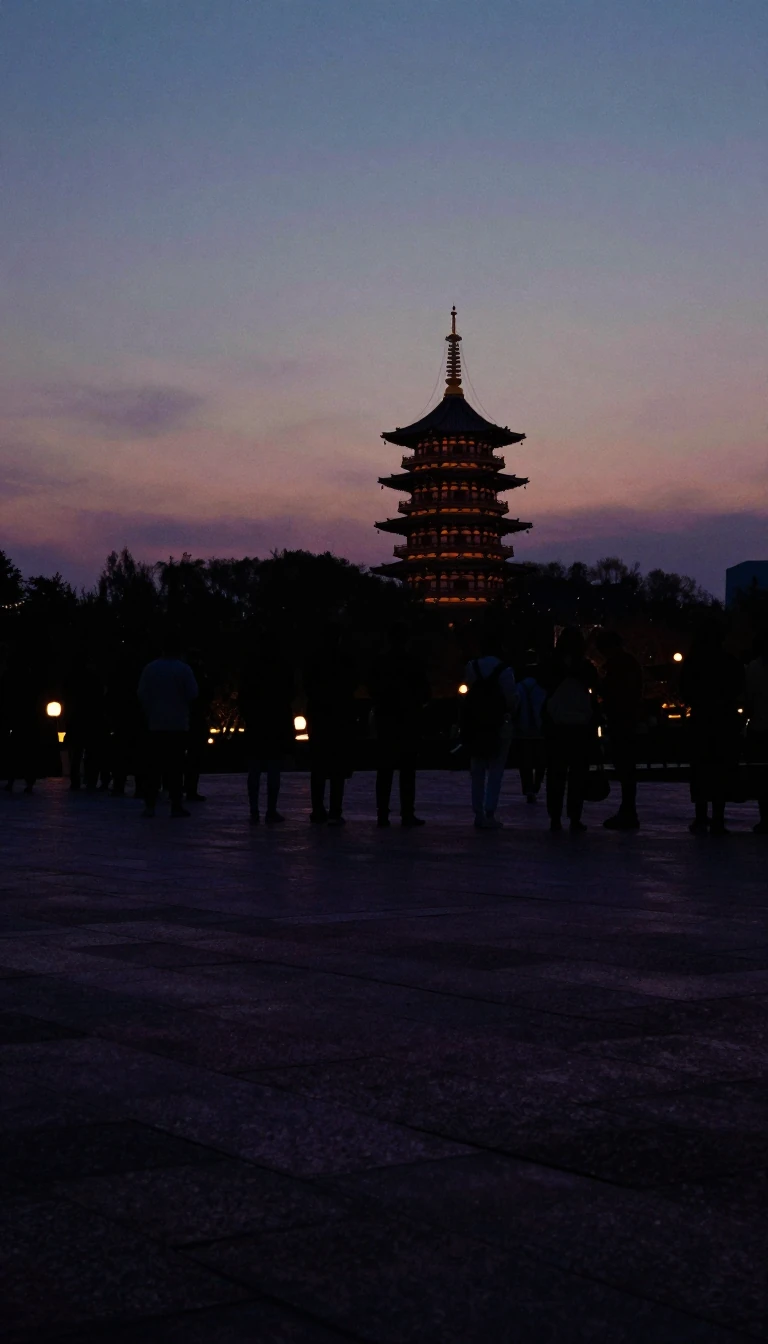
In short: Pashupatinath Temple is not just a site of worship but a cosmic anchor. Mythologically, it represents the head of Shiva, with his body parts scattered across the Himalayas. This ancient Hindu complex, spanning 246 hectares, remains a living intersection of history, ritual, and intense political struggle over spiritual authority.
Located on the banks of the Bagmati River in Kathmandu, the Pashupatinath Temple is one of the oldest and most significant Hindu religious complexes in South Asia. Its origins are considered pre-Vedic, with historical records dating back to 400 CE. The site is a vast network of hundreds of mini-temples and ashrams surrounding the principal pagoda-style structure. The current architecture, featuring copper roofs and gold coverings, was renovated in 1692 CE following damage from earthquakes and termites.
The temple's spiritual significance is deeply rooted in the Skanda Purana and the Mahabharata. Legend holds that Shiva, hiding from the Pandavas in the form of a bull, was discovered underground. His body parts emerged at various locations: the head at Pashupatinath, the hump at Kedarnath, and other parts at Rudranath, Tungnath, and Madhyamaheshwar. Inside the sanctum sanctorum sits a one-metre-high stone Mukhalinga, a four-faced idol representing different aspects of Shiva. Only four specific priests, known as the Bhatta, are permitted to touch this sacred object.
The temple's administration is a complex blend of tradition and caste-based roles. The Bhatta priests are supported by 108 Rajbhandaris, a high-caste clan responsible for maintenance and assisting in daily rituals. This traditional order faced a major crisis in 2009 when the Maoist-led government attempted to bypass established appointment procedures for priests. The resulting conflict, which saw the Supreme Court of Nepal overrule the government's actions, highlighted the ongoing tension between state authority and the deep-seated religious customs that have governed the site for centuries.
Beyond Hinduism, the temple complex holds profound importance for Buddhists, particularly in the Vajrayana tradition. It is associated with legendary figures like Padmasambhava and Gorakhnath, who is credited with introducing Hatha yoga to the public. The cremation zone within the precinct is revered as one of the eight great charnel grounds, marking the site as a rare space where diverse spiritual lineages converge.
Opens the Intellect+ feed with this card first. Swipe up for the next one.
Sources
- Summary by Intellect · source: Pashupatinath Temple
To cite this card, link to https://intellectplus.co.uk/app/history-pashupatinath-temple.
How we source, check and correct cards: Editorial standards.
General information, not professional advice. Spotted an error? Flag the card or see corrections and complaints.
Intellect Plus is a visual educational discovery platform for exploring fascinating facts and ideas. Brain Food, Not Brain Rot. What is Intellect Plus?
Related
More in Ancient · More in History · Latest · A–Z · All topics
